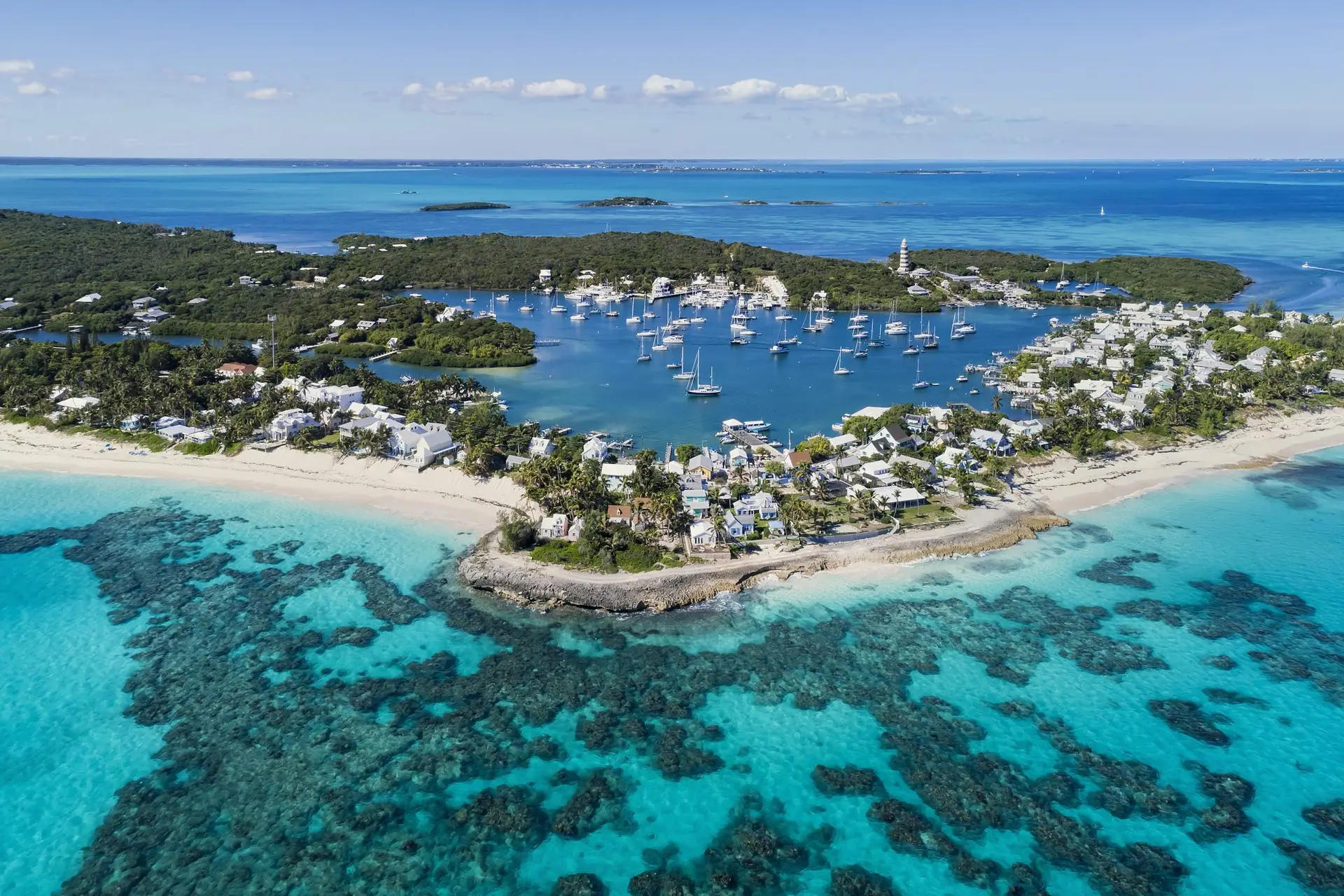
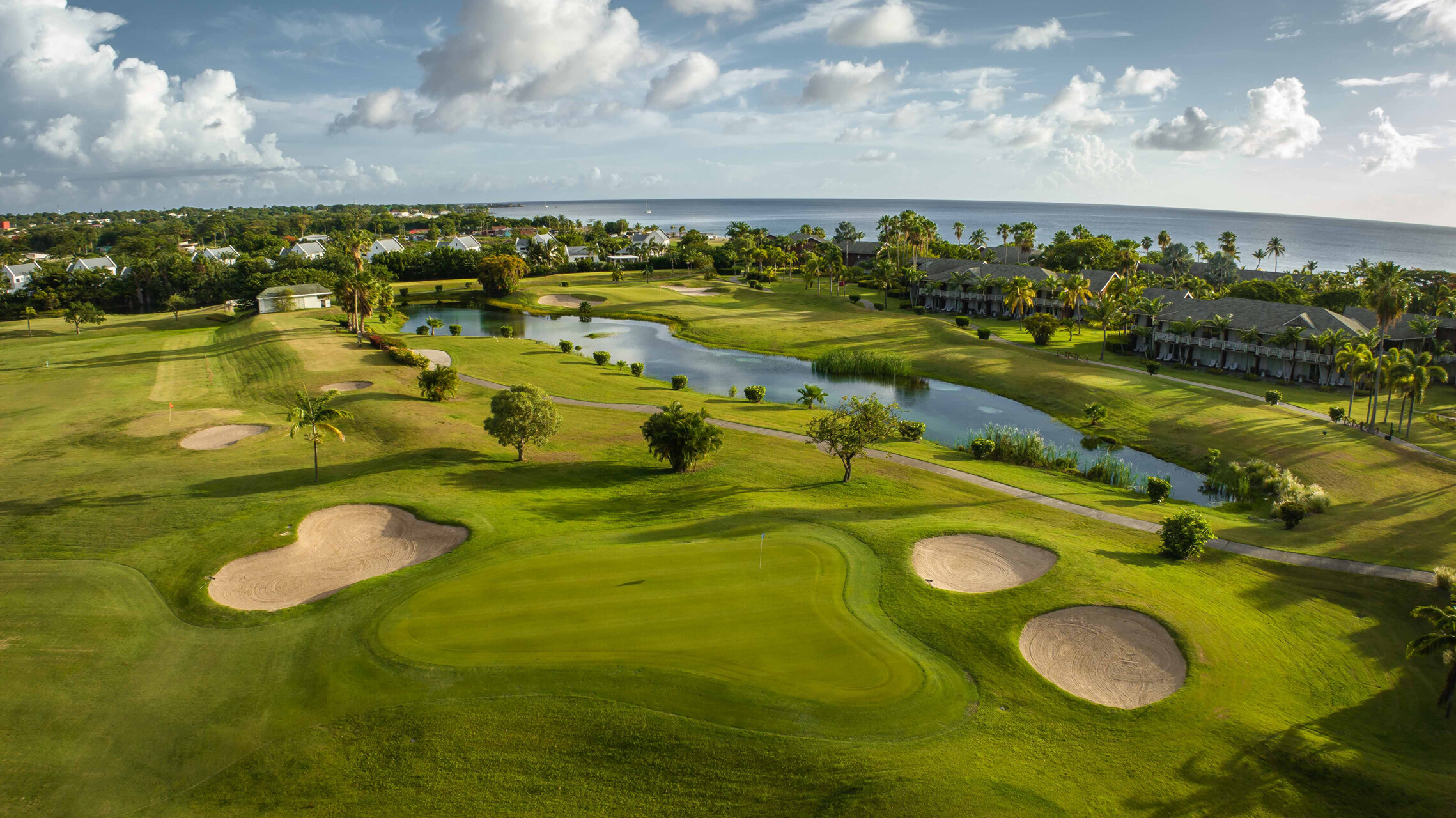
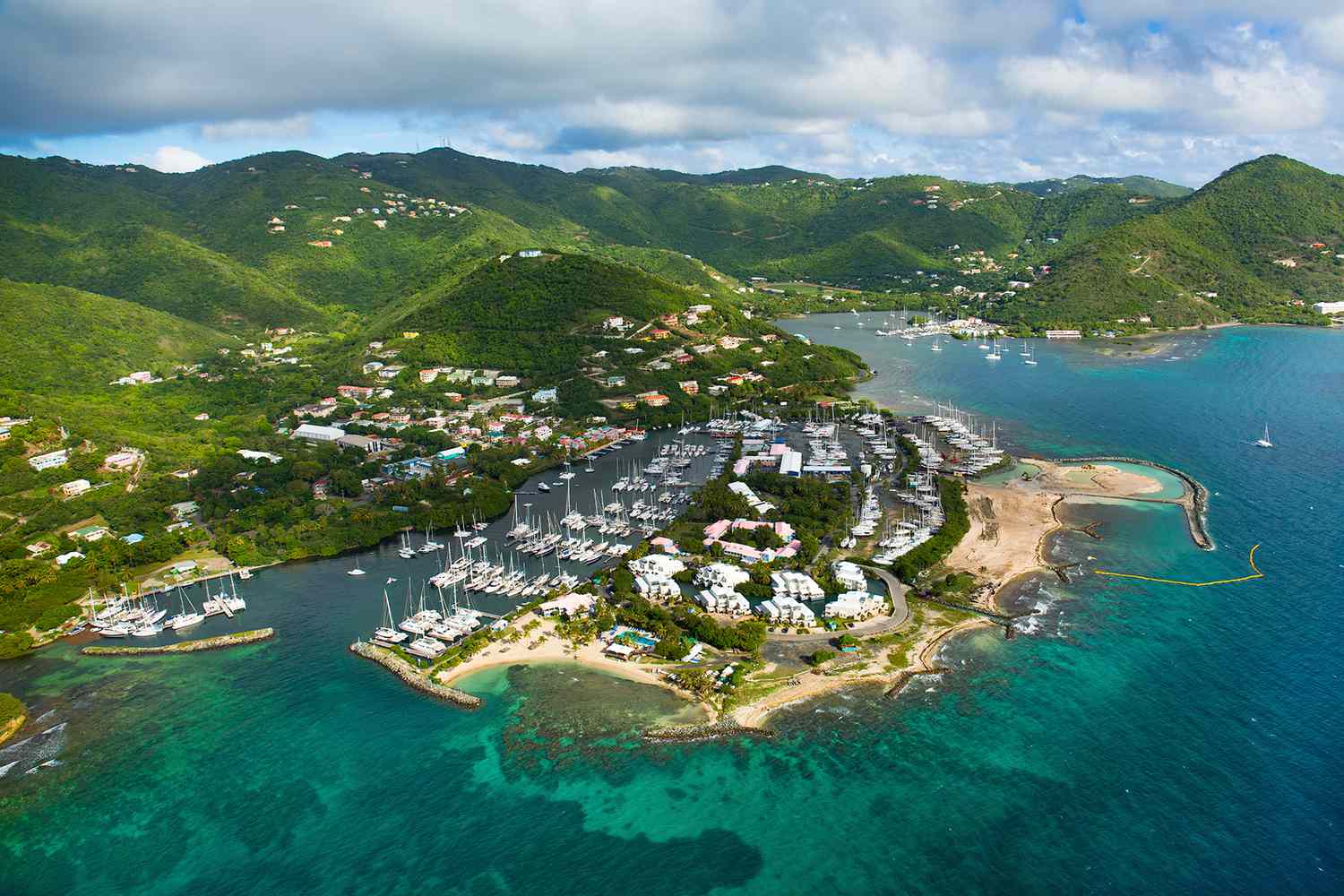
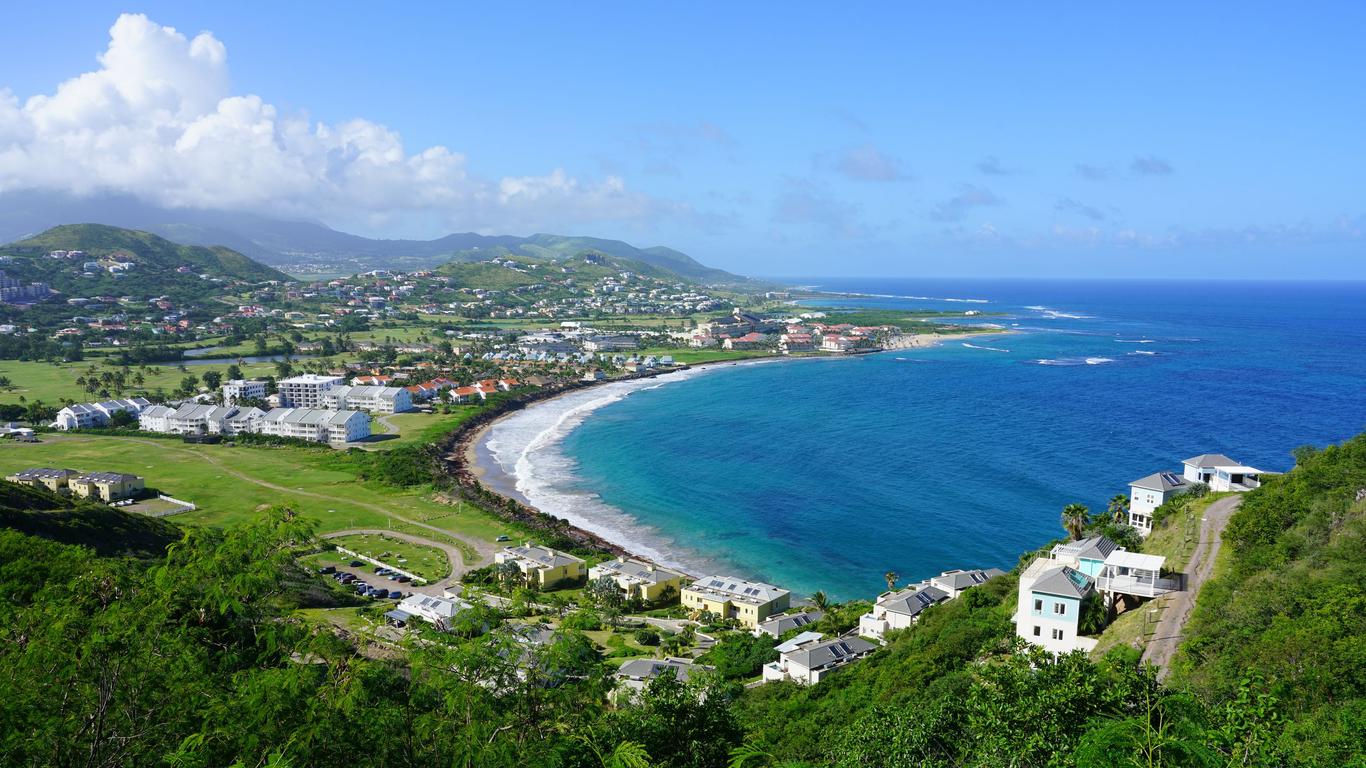
We work with individuals and entities seeking to navigate the Caribbean real estate market.
Individuals and Families
You are looking to buy, sell, develop, or invest in Caribbean real estate and are considering a relocation for lifestyle or tax purposes. You have a pre-tax income of US $250,000 or more and/or a net worth of US $1 million or more.
Family Office and HNWIs
You seek exposure to Caribbean real estate markets and difficult-to-access opportunities. You have total assets under management exceeding USD $10+ million. Your objectives include portfolio diversification, long-term growth, and accessing exclusive investment opportunities that align with your financial goals.
Institutional Investors
You and your partners aim to source, underwrite, develop, and grow a portfolio of assets in the Caribbean. You have a $100+ million portfolio and are looking for exposure to Caribbean real estate equity and/or debt. Your focus is on identifying high-potential opportunities, managing risk, and achieving significant returns through strategic investments and developments.
On the southern coast of Nevis Island, an audacious vision is taking shape: the Destiny Special Sustainability Zone (Destiny SEZ Nevis). Branded as the “Monaco–Dubai of the Caribbean”, the initiative promises to fuse sustainable design, profit-sharing for locals, and economic diversification on a scale rarely attempted in the Eastern Caribbean.
For high-net-worth families, family offices, and global investors exploring Nevis real estate, tax residency and citizenship, or investment migration, Destiny SEZ may represent more than property—it could be a new model for small-state prosperity. But as with any transformative project, the fine print and execution will determine outcomes.
What is Destiny SEZ?
Destiny SEZ is a proposed Special Sustainability Zone on the south coast of Nevis, positioned between Long Point Port and Indian Castle Estate. While it leverages familiar Special Economic Zone tools (investment facilitation and streamlined regulation), it adds a high-conviction sustainability and community-benefit layer designed for long-term island resilience.
Headline commitments from the developer include: a US$50 million public infrastructure investment (notably upgrades to Alexandra Hospital), a 20% perpetual profit share for Nevis (10% to government, 10% to a sovereign wealth fund), a US$1 million annual scholarship fund for Nevisians, and a 5% direct profit share for citizens via digital distribution. The planning ethos prioritizes geothermal power, rainwater systems, low-rise architecture, and family-oriented neighbourhoods.
Destiny SEZ at a Glance
Feature
Details
Total Investment
Multi-billion-dollar mixed-use development on Nevis Island
Public Infrastructure
US$50 million commitment (Alexandra Hospital & critical projects)
Profit Share for Nevis
20% total (10% Government + 10% Sovereign Wealth Fund)
Direct Citizen Participation
5% of profits distributed to Nevisians via digital technology
Scholarships
US$1 million annually for Nevisian students
Energy & Water
Geothermal energy and rainwater systems as core utilities
Design & Planning
World-class masterplanning with low-rise, nature-positive urbanism
Legal Context
Operates under the Constitution of St. Kitts & Nevis; SEZ framework
Location
South Nevis: between Long Point Port and Indian Castle Estate
Why Destiny SEZ Could Be Transformative
Diversifying the Nevisian Economy
Nevis has traditionally depended on tourism and Citizenship by Investment (the Nevis passport narrative). Destiny SEZ adds a pathway to tech, services, professional advisory, and logistics, broadening the island’s value proposition and reducing cyclicality tied to tourism seasons.
Inclusive Prosperity Built into the Model
Profit-sharing mechanisms—20% to Nevis and 5% directly to citizens—plus a US$1M scholarship program move beyond typical real-estate promises. If codified in law and audited independently, they can institutionalize shared prosperity for future generations.
Nevis Real Estate with Purpose
Properties within a well-governed sustainability zone can benefit from infrastructure resilience, high-quality urban design, and global branding. For HNWI buyers, that can translate into stronger rental demand and potential value appreciation—provided absorption and execution are credible.
Mobility & Investor-Migration Synergy
For families evaluating the Nevis passport via St. Kitts & Nevis channels, a sustainability-anchored community reinforces Nevis as a practical, long-stay base with lifestyle quality, governance credibility, and regional access.
Infrastructure as an Island-Wide Catalyst
When hospitals, roads, and utilities improve, the entire Nevis Island economy benefits—not just the zone. That enhances liveability, investor confidence, and long-term economic resilience.
Nevis Real Estate & Investor Migration
Investment Themes for Buyers
Eco-luxury homes & serviced residences: Low-rise, energy-efficient housing with ESG narratives can command premium pricing.
Mixed-use districts: Live-work-play formats that suit remote professionals, founders, and family offices based on Nevis.
Resale & liquidity: As the community matures, transaction depth may increase—critical for exit planning.
Migration & Mobility Considerations
While the zone is distinct from national CBI legislation, its momentum can complement St. Kitts & Nevis citizenship and residency interest—strengthening Nevis’s appeal to globally mobile families seeking lifestyle, security, and a Caribbean base.
Key Challenges and Risk Factors
Governance & Rule of Law
Destiny SEZ must demonstrate transparent legislation, public agreements, and independent audits for the profit-share, scholarships, and citizen distributions. Any SEZ court or ADR system should complement (not replace) national judicial authority.
Environmental Stewardship
South Nevis is ecologically sensitive. Independent environmental impact assessments (EIA), coastal modeling, biodiversity baselines, and ongoing monitoring are essential to protect reefs, shorelines, and wildlife habitats.
Execution & Phasing Discipline
To avoid stranded infrastructure, Phase 1 should prioritize public-benefit “quick wins” (e.g., hospital upgrades), backbone utilities, and workforce training, with subsequent phases tied to absorption thresholds and pre-commitments.
“Locals First,” Measured & Verified
Publish targets for local labor participation, SME procurement, and apprenticeships. Consider an independent community advisory panel to report annually to the Nevis Island Administration.
How Destiny Fits the Wider Caribbean Moment
Across the region, Special Economic Zones are evolving from industrial parks to integrated lifestyle ecosystems that unite capital attraction, mobility, and sustainability. If Destiny SEZ meets its governance and delivery promises, Nevis could leapfrog larger neighbors and become a boutique hub for rule-of-law finance, technology, and family-office residency in the Caribbean.
Audited public-benefit flows: Quarterly or annual reports for the 20% and 5% distributions.
Anchor tenants: At least one established tech, logistics, or professional-services group within 18–24 months.
Real estate absorption: Verified pre-construction sales, construction, and occupancy.
Environmental KPIs: Water conservation, reef health, and biodiversity indicators published annually.
Local participation: Measurable targets for Nevisian employment and SME contracts.
Final Thoughts
Destiny SEZ Nevis blends ambition with accountability. If commitments are enshrined in law, transparently audited, and delivered in phased, nature-positive ways, the zone could become a global case study—elevating Nevis Island from a beautiful destination to a sustainable, investable home base for families and enterprises.
If you’re evaluating Nevis real estate, Caribbean residency, or SEZ-linked opportunities, rigorous due diligence is essential—but so is timing. Early movers in credible, well-governed projects often capture the structural upside.
The United Kingdom’s non-domiciled (non-dom) tax regime has long been a cornerstone of its appeal to globally mobile families. For decades, it allowed international residents to legally shield foreign income and offshore assets from UK taxation—provided those funds were not remitted into the country. This framework helped transform London into a global hub for wealth, investment, and international business.
But in 2025, that long-standing privilege is coming to an end.
The UK government has announced sweeping reforms that will abolish the remittance basis of taxation and replace it with a worldwide income system. This change will subject all UK tax residents—regardless of domicile—to tax on their global earnings and gains. Offshore trusts, once considered safe havens under the non-dom structure, will face increased scrutiny and reduced protections.
For high-net-worth individuals, entrepreneurs, and international families, this signals more than a policy change. It’s a fundamental redefinition of what it means to live—and build wealth—in the UK. Thousands are now actively exploring ways to exit the system entirely.
While jurisdictions like the United States, Switzerland, and the UAE may come to mind first, a growing number of families are turning to a more strategic, and in many ways more accessible, solution: the Caribbean.
With its combination of tax neutrality, English common law systems, low-cost citizenship and residency programs, and a high standard of living, the Caribbean is fast becoming a preferred destination for former UK non-doms seeking a legal, long-term base for their personal and financial lives.
This article explores what the UK reforms mean in practice, why the Caribbean is attracting sophisticated families, and how to structure an effective and compliant exit—whether through second citizenship, real estate investment, or global trust planning.
Understanding the Shift: What’s Happening to the UK Non Dom System?
The End of the Remittance Basis
This marks a fundamental shift in how the UK treats globally mobile wealth. No longer will claiming foreign domicile protect a resident from UK taxes. The new regime replaces the old with a simplified—but much broader—system of taxation, where residency alone triggers global tax exposure.
HMRC Scrutiny and the Global Tax Shift
With this shift, HMRC will also intensify scrutiny of taxpayer behavior. Families seeking to preserve their structures will need to demonstrate clear tax non-residency, proper planning, and legitimate foreign ties. As a result, the UK non-dom tax exodus of millionaires is no longer a prediction—it is already underway.
Why the Caribbean Is Becoming the Go-To Exit Strategy
The end of non-dom status in the UK has sent many high-net-worth families searching for a new jurisdiction to base their lives and their wealth. And while jurisdictions like Switzerland, Dubai, or Malta may seem like obvious choices, the Caribbean is increasingly proving to be the most practical and effective solution—especially for UK nationals.
These small, sovereign nations offer much more than just sunshine. They offer legally grounded tax neutrality, citizenship or residency pathways, and common law systems built to accommodate international investors.
Five Reasons the Caribbean Is a Strategic Choice
Favorable Tax Regimes Most Caribbean nations impose no personal income tax, no capital gains tax, no inheritance tax, and no wealth tax. That makes them ideal jurisdictions for preserving capital, managing passive income, and building multigenerational wealth.
British Common Law Foundations For UK families, the legal systems in the Caribbean feel familiar and secure. These countries are former British colonies, governed by common law, and operate in English. The cultural and legal alignment makes the transition easier.
Investment Migration and Residency Options Several Caribbean nations offer fast-track citizenship by investment (CBI) or residency by investment programs. Citizenship can be obtained in as little as 3–6 months, often with a real estate investment or a government donation starting at $100,000 USD.
Real Estate-Backed Entry Points Unlike jurisdictions that require abstract economic contributions, the Caribbean allows families to obtain citizenship or residency through tangible investments in approved real estate—properties that can be enjoyed or rented while preserving capital.
Mobility, Privacy, and Discretion CBI countries like St. Kitts & Nevis, Antigua & Barbuda, and Dominica offer visa-free travel to over 140 countries. These jurisdictions maintain privacy while adhering to global transparency standards and offer high degrees of discretion.
Caribbean Jurisdictions Attracting UK Families
The Bahamas: Zero-Tax Living with Financial Sophistication
The Bahamas imposes no personal income tax, no capital gains tax, and no inheritance tax. While it doesn’t offer citizenship by investment, it does allow permanent residency for those investing $750,000 or more in real estate. Its proximity to the U.S., developed financial sector, and exclusive gated communities make it a favorite for ultra-high-net-worth families seeking tax efficiency without sacrificing lifestyle.
Barbados: Tax Efficiency with Onshore Respectability
Barbados combines low corporate tax (1–5.5%) with strong treaty access and legal infrastructure. It doesn’t offer a citizenship program, but permanent residency is available to property owners. Its high quality of life, international schools, and professional services sector make it especially attractive for those seeking real substance alongside fiscal efficiency.
Antigua & Barbuda: Family-Friendly CBI and Lifestyle Access
Antigua’s citizenship program is one of the most affordable in the world, especially for large families. A donation of $100,000 or a $200,000 real estate purchase qualifies a family of four. The country has no personal income, inheritance, or capital gains tax. It also offers a relaxed lifestyle, English-speaking education, and direct flights to London, New York, and Toronto.
St. Kitts & Nevis: The Gold Standard in Caribbean Citizenship
St. Kitts & Nevis is the birthplace of the citizenship by investment model. It offers one of the fastest, most established programs, with zero personal income, capital gains, or estate tax. Investors can qualify through a $250,000 donation or a $400,000 real estate investment. The Nevis trust system is world-renowned for wealth protection and is used by global family offices and estate planners.
Cayman Islands: Premier Zero-Tax Financial Hub
Cayman is one of the most respected offshore financial centers globally. It offers no direct taxes and unparalleled access to professional services, banks, and legal support. While it doesn’t offer citizenship or CBI, long-term residency is available with a $2.4 million USD property investment. It appeals to investment firms, digital entrepreneurs, and UHNWIs seeking credibility and discretion.
Anguilla offers a Residency by Investment program starting at just $150,000. It is lesser-known than its neighbors, but attractive to families who value simplicity, safety, and privacy. It is also a British Overseas Territory, which may provide long-term optionality.
St. Lucia: Still Viable, But Losing Ground
St. Lucia still offers a CBI program with options starting at $100,000. But recent increases in pricing and a limited number of quality real estate projects have made it less attractive for wealthier applicants. The country maintains zero inheritance and capital gains taxes, but its competitiveness has diminished compared to more established neighbors.
Structuring the Exit: How to Leave the UK Non-Dom System the Right Way
Establishing Tax Residency Abroad
To successfully leave the UK tax net, families must not only move physically—they must also establish legal, factual, and enduring tax residency abroad. Most jurisdictions require at least 183 days of presence per year. Some offer tax residency certificates or long-term residence permits to solidify one’s new status.
Restructuring Offshore Trusts and Holding Vehicles
UK non-doms have historically used offshore trusts to hold global wealth. But under the new rules, these trusts may become exposed. Families should consider moving trustees to neutral jurisdictions (such as Nevis or Jersey), changing governing law, or redomiciling corporate holding entities. Caribbean trust structures can be used to preserve long-term wealth while staying out of HMRC’s reach.
Managing UK Asset Exposure and Income Flows
Retaining UK assets may continue to attract UK tax. Rental income, dividends, or capital gains from UK-based companies or property will be taxed by HMRC regardless of residency. Families may choose to divest from UK assets, shift income-generating activities abroad, or utilize treaty-based planning where possible. Careful structuring of management fees, royalties, and holding companies is essential.
Building a Coordinated Global Strategy
Exiting the UK requires more than just legal paperwork—it requires coordination across immigration, banking, investment, legal, and tax domains. Families must think through where they live, how they report income, where their trusts are located, and where their assets generate revenue. Advisors in multiple jurisdictions should be engaged to map a fully compliant, long-term plan.
Other Popular Non-Dom Alternatives Outside the Caribbean
While the Caribbean offers some of the most accessible and effective options, other non-dom alternatives continue to attract UK families—especially those looking for EU access, Asian business infrastructure, or Middle Eastern investment opportunities.
United Arab Emirates (UAE): Zero Tax and Global Prestige
The UAE imposes no personal income tax or capital gains tax. With long-term Golden Visas available to investors, property owners, and entrepreneurs, it remains a top destination for HNWIs from the UK and around the world. Dubai in particular has become a hub for crypto investors, private equity professionals, and family offices.
Malta: EU Residency with Remittance-Based Taxation
Malta is one of the last EU countries to offer a remittance basis tax regime. Residents are only taxed on foreign income if it is remitted to Malta. This allows global families to maintain EU presence while legally avoiding tax on most foreign assets. Malta also offers residency and citizenship routes under strict due diligence.
Italy: €100,000 Flat Tax for Foreign Income
Italy’s flat tax regime allows qualifying new residents to pay a flat €100,000 annually on all foreign income. Additional family members can be added for €25,000 each. The regime lasts up to 15 years and offers EU residency along with luxury living in places like Milan, Florence, or Lake Como.
Hong Kong: Territorial Regime for Asia-Based Portfolios
Hong Kong taxes only income sourced within the jurisdiction. Offshore profits, foreign dividends, and capital gains are typically not taxed. For families with Asian investments or business operations, Hong Kong remains a leading low-tax jurisdiction with strong legal and banking systems.
Final Thoughts: From Non-Dom to Global Citizen
The end of the UK non-dom regime represents a turning point—not just for tax policy, but for how global families organize their lives and protect their wealth. For many, it’s a moment of frustration. But for others, it is a strategic opportunity to reassess their jurisdictional footprint and align their structures with long-term goals.
The Caribbean offers more than tax advantages. It offers sovereignty, legal clarity, mobility, and a better quality of life. These are not shortcuts or loopholes. They are sovereign choices—available to those with foresight and the right advisors.
If you are exploring your options as a UK non-dom or advising clients in that position, I can help. My team specializes in cross-border real estate investment, citizenship by investment, offshore trust planning, and tax residency relocation throughout the Caribbean and beyond.
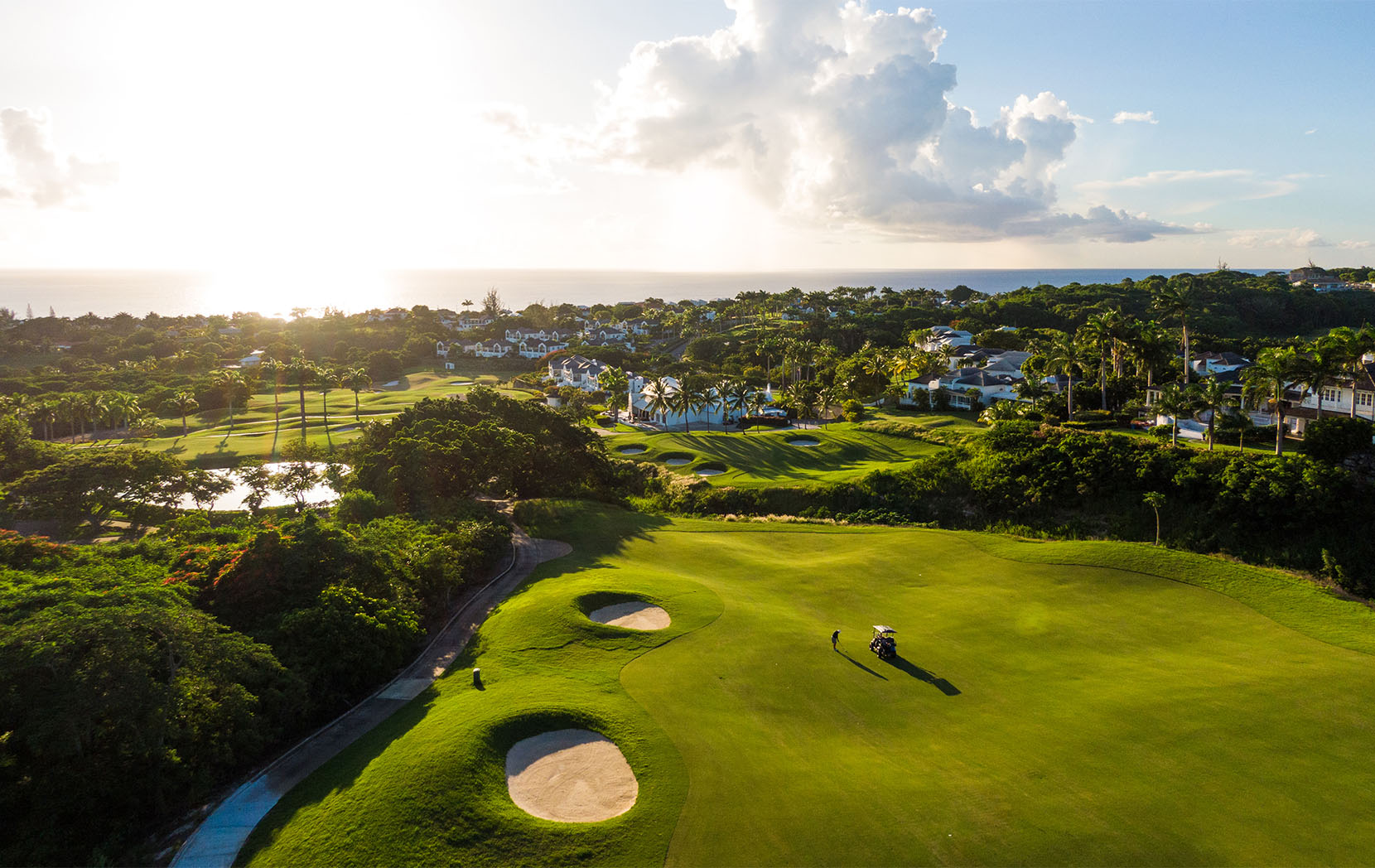
Situated on Barbados’ coveted west coast, Royal Westmoreland is more than just a golf resort—it’s one of the Caribbean’s most exclusive addresses. Imagine owning a home perched on a hilltop with panoramic sea views, a private pool surrounded by lush tropical landscaping, and access to a lifestyle defined by elegance, privacy, and connection. That’s what you’ll find here.
This master-planned gated community offers a rare combination of prime Barbados real estate, refined architecture, five-star amenities, and an internationally acclaimed golf course. But more than that, it’s a lifestyle destination where residents value wellness, natural beauty, and a strong sense of belonging. Whether you’re looking for a second home, full-time residence, or luxury rental investment, Royal Westmoreland stands out as a secure and high-performing choice.
The real estate offerings range from turnkey villas and townhouses to spacious apartments and custom home sites, making it one of the most versatile and prestigious residential communities in the region. Paired with a location just minutes from Holetown, direct access to beaches like Mullins Bay, and a vibrant community atmosphere, it’s no wonder Royal Westmoreland has become a gold standard for Caribbean property ownership.
A Destination Built Around Real Estate and Lifestyle
Royal Westmoreland was developed in the early 1990s to combine elegant Caribbean living with the finest leisure experiences. Spanning over 750 acres of manicured hillside, the community is now a model for luxury developments across the region. Its location along Barbados’ Platinum Coast places residents minutes away from the island’s best beaches, shopping, and restaurants—while also providing the peace of a private hillside retreat.
Homes here are thoughtfully designed to maximize the indoor-outdoor lifestyle that defines Caribbean living. Whether it’s a villa with a private pool or a turnkey apartment with a golf course view, every residence blends architectural elegance with functional comfort.
Real Estate Opportunities at Royal Westmoreland
Property Types: Something for Every Buyer
Royal Westmoreland offers a wide selection of real estate options to suit varying tastes, budgets, and ownership goals.
Detached Villas: These are the pinnacle of luxury living, featuring expansive layouts, private swimming pools, outdoor dining terraces, and beautifully landscaped gardens.
Townhouses: Stylish and functional, these residences balance shared community amenities with the privacy of homeownership—perfect for seasonal residents or lock-and-leave buyers.
Apartments: Offering refined finishes and smart layouts, these properties provide an accessible entry point to the Royal Westmoreland lifestyle, often with sweeping views and low-maintenance ownership.
Whether you are purchasing for personal use, generating rental income, or combining both strategies, Royal Westmoreland offers flexibility with strong long-term value.
Design, Privacy, and Investment Confidence
Each home within Royal Westmoreland is crafted to a high architectural standard and built to embrace Barbados’ natural beauty. Floorplans emphasize open-concept living, large windows for natural light, and generous outdoor areas that create the perfect setting for entertaining or relaxation.
Security is also paramount. The entire community is gated with 24/7 monitoring, access control, and professional staff to support safety and privacy for residents and their guests.
Ownership also comes with peace of mind: Barbados has a well-established property market, straightforward legal process for foreign buyers, and favorable tax policies for non-residents.
Strong Rental Market and Appreciation Potential
Royal Westmoreland is not just a lifestyle choice—it’s a sound investment. The resort’s international reputation and year-round tourism make it one of the most attractive locations on the island for luxury vacation rentals.
Many homeowners choose to rent their properties short-term when not in use. With high occupancy during the winter season and consistent demand from affluent visitors, rental yields can be strong. In addition, the exclusivity of the resort helps properties appreciate steadily over time—supported by Barbados’ strong real estate fundamentals and limited luxury inventory.
The Lifestyle at Royal Westmoreland
Living at Royal Westmoreland goes beyond the four walls of your home. Residents become part of a vibrant community that values wellness, leisure, and connection—all within a secure, master-planned environment.
Golf as a Lifestyle Anchor
At the heart of the community is a championship 18-hole golf course designed by Robert Trent Jones Jr. With rolling fairways, dramatic elevation changes, and panoramic ocean views, it’s one of the finest golf experiences in the Caribbean.
While serious golfers will appreciate the challenge and beauty of the course, casual players and beginners are just as welcome. Lessons, clinics, and practice facilities are available, and golf memberships are offered to property owners.
Golf at Royal Westmoreland isn’t just a sport—it’s a social hub, connecting residents through tournaments, events, and leisurely weekend rounds.
Amenities Designed for Comfort and Connection
In addition to world-class golf, the resort features:
A private Beach Club at Mullins Bay with sun loungers, bar service, and beachfront dining
A modern fitness center with personal training and group classes
Floodlit tennis courts and recreational spaces
A spa offering massages and holistic treatments
A full-service clubhouse with fine dining, cocktails, and community events
The concierge team is available to help arrange transportation, reservations, private chefs, and more—ensuring every detail is handled seamlessly.
Community and Events
Royal Westmoreland fosters an active and inclusive social life for its residents. Regular events such as cocktail evenings, golf tournaments, wine tastings, and holiday celebrations provide the perfect backdrop for forming friendships and enjoying the island lifestyle.
Whether you’re here for the season or living year-round, there’s a strong sense of belonging that comes with owning property in this special community.
Why Buy Real Estate at Royal Westmoreland?
Prestige: Recognized as one of the most prestigious addresses in Barbados, Royal Westmoreland offers credibility, exclusivity, and global appeal.
Privacy and Security: Full-time gated access and 24-hour on-site security ensure peace of mind.
Income Potential: Short-term rentals and long-term appreciation provide strong investment fundamentals.
Community: A welcoming, international resident base creates opportunities for networking, leisure, and friendship.
Tax Benefits: Barbados offers favorable conditions for foreign property owners, including no capital gains tax and a transparent legal framework.
Impact and Influence of Royal Westmoreland
Royal Westmoreland combines elegant design, comprehensive amenities, and strategic development, making it a benchmark for luxury living in the Caribbean.
A Model for Luxury Golf Communities in the Caribbean
Royal Westmoreland sets the standard for luxury golf resorts across the Caribbean. Spanning over 750 acres, this gated community integrates world-class facilities with an exclusive lifestyle. Its championship golf course, designed by Robert Trent Jones Jr., is a focal point, blending natural beauty with sport.
Luxury amenities such as state-of-the-art fitness centres, tennis courts, fine dining options, and spa services define this community. The integration of an exclusive beach club at Mullins Bay showcases thoughtful design that meets residents’ desires for recreation and relaxation. Its secure environment and regular social events foster a sense of belonging, encouraging connections among owners and visitors. This model inspires the growth of similar luxury lifestyle destinations throughout the region.
Contributions to Barbados’ Real Estate Market
Royal Westmoreland has significantly elevated the Barbados real estate sector. Its portfolio includes detached villas, contemporary townhouses, and high-end apartments, which cater to individuals seeking refined living. Properties within the estate reflect a commitment to quality, combining architectural elegance with the lush surroundings of the Platinum Coast.
Investors find value in its secure, gated environment and the steady appreciation of properties in this sought-after location. The resort’s reputation attracts high demand for holiday rentals, boosting returns for property owners. By setting a high benchmark for its developments, Royal Westmoreland influences the broader scope of Barbados’ luxury real estate market and strengthens the island’s position as a premier Caribbean destination.
Future Prospects for Similar Developments in the Region
The success of Royal Westmoreland highlights the potential for similar luxury developments in the Caribbean. As demand for premium holiday and residential properties grows, developers are looking to replicate its model. Features such as integrated luxury amenities, high security, and a community-focused environment appeal to individuals seeking exclusivity and comfort.
Its influence as one of the largest luxury golf communities in the Caribbean showcases the viability of combining leisure facilities with residential developments. Regional developers may adopt its approach by incorporating activities like golf, private beach access, and wellness services into similar projects. Royal Westmoreland’s continued success strengthens its position as a template for future resorts in the Caribbean.
Comparable Luxury Communities in the Caribbean
For buyers exploring luxury real estate with world-class amenities, here are five other elite communities in the Caribbean that offer exceptional property ownership experiences. Each one reflects a different style of island living—ranging from golf and wellness retreats to ultra-exclusive beachfront enclaves.
Apes Hill, Barbados
Apes Hill is a premier lifestyle and golf community located in the hills above Barbados’ west coast, offering a cooler climate and expansive views. With a redesigned championship golf course, padel courts, farm-to-table dining, and an emphasis on sustainability, it attracts buyers who want a modern, wellness-driven alternative to traditional beachfront living. The residences here range from sleek villas to customizable lots, making it one of the most forward-thinking real estate projects on the island.
Cabot Saint Lucia
Set along the dramatic Atlantic coastline of northern Saint Lucia, Cabot Saint Lucia is quickly becoming one of the Caribbean’s most exclusive new golf and residential communities. Featuring a Coore & Crenshaw-designed cliffside golf course, private beach club, and ultra-luxury residences, Cabot appeals to global investors seeking a design-forward, high-privacy retreat. Properties here are limited and positioned for significant long-term appreciation as the community matures.
Four Seasons Nevis
Four Seasons Resort Estates in Nevis offers a rare combination of branded hospitality and private real estate. Owners have access to full resort services, a Robert Trent Jones II golf course, a private beach, and a dedicated concierge team. With options ranging from turnkey villas to custom estate homes, the community is ideal for families and retirees who value five-star service in a low-key, safe island setting. As part of the Four Seasons network, it also benefits from strong global recognition and resale value.
Barbuda Ocean Club
Developed by Discovery Land Company, Barbuda Ocean Club is a private members-only community on one of the most pristine and undeveloped islands in the Caribbean. Featuring beachfront estates, wellness programming, organic farming, and world-class sport facilities, the community delivers barefoot luxury at its highest level. Real estate opportunities here are extremely limited and catered to ultra-high-net-worth individuals seeking total exclusivity and generational value.
Aurora Anguilla Resort & Golf Club
Aurora Anguilla is a newly reimagined luxury resort and golf destination with a growing residential offering. Set on Rendezvous Bay, the resort features a Greg Norman–designed golf course, holistic spa, fine dining, and a private aviation terminal. The addition of branded villas and estates is attracting buyers who value seamless service, soft-sand beaches, and Anguilla’s status as one of the most peaceful and refined islands in the region. Aurora offers a unique blend of hospitality, golf, and real estate in a setting known for low-density elegance.
Conclusion
Royal Westmoreland Barbados offers an unrivalled blend of luxury, tranquillity, and sophistication. Whether you’re seeking a serene holiday retreat, an active lifestyle, or a rewarding investment opportunity, this exclusive resort encapsulates the best of Caribbean living. Its world-class amenities, stunning natural surroundings, and vibrant community create an experience that’s truly unique. At Royal Westmoreland, you’re not just visiting a destination; you’re embracing a lifestyle defined by elegance, relaxation, and opportunity.
Global business is changing fast—and so are the strategies needed to stay competitive, tax-efficient, and secure. For investors, founders, and international consultants, the ability to operate beyond the borders of your home country is no longer just an advantage—it’s a necessity. One of the most effective tools to achieve that is an offshore company.
Registering an offshore company in the Caribbean offers more than just a low-tax structure. It gives you access to legally protected corporate environments, simplified international operations, and a level of privacy and flexibility that onshore jurisdictions increasingly lack.
Whether you’re setting up a holding company, protecting your intellectual property, or optimizing global trade, the Caribbean’s offshore jurisdictions—like the British Virgin Islands, Cayman Islands, Nevis, and St. Lucia—are built for cross-border business. With fast incorporation, world-class legal frameworks, and minimal reporting requirements, these destinations offer proven tools for global scalability and long-term protection.
In this guide, we’ll walk through everything you need to know about forming an offshore company in the Caribbean—from choosing the right jurisdiction and structure to filing, banking, compliance, and beyond. If you’re serious about protecting your assets and expanding your global footprint, this is where you start.
What Is an Offshore Company?
An offshore company is a legal entity incorporated outside the country where its owners reside. These companies are typically formed in low-tax or no-tax jurisdictions and are used for purposes like global trade, IP holding, asset protection, and financial structuring.
Offshore companies are fully legal and widely used by multinational firms, investment managers, solo entrepreneurs, and digital nomads. When structured correctly, they offer legitimate advantages in areas like tax efficiency, privacy, and international business flexibility.
In the Caribbean, most offshore companies fall under two categories: International Business Companies (IBCs) and Limited Liability Companies (LLCs). They’re often exempt from local taxation if income is sourced from outside the jurisdiction.
Benefits of Offshore Companies in the Caribbean
Tax Efficiency: Most jurisdictions offer zero corporate tax on foreign-sourced income.
Asset Protection: Caribbean laws are built to shield assets from lawsuits, creditors, and political risk.
Privacy: Directors and shareholders are not publicly listed in many Caribbean registries.
Fast Incorporation: Setup can often be completed within 1–3 business days.
Global Reach: Jurisdictions like BVI and Cayman enjoy excellent reputations with banks, funds, and law firms globally.
Choosing the Right Jurisdiction
Choosing where to incorporate offshore isn’t just about picking a tax haven. It’s about aligning the jurisdiction’s legal framework, banking relationships, reputation, and regulatory environment with your business goals—whether that’s asset protection, fund structuring, holding global IP, or simply launching fast with maximum privacy.
Each Caribbean jurisdiction offers distinct advantages. Some are fast and discreet. Others are treaty-rich and compliant. Below is a detailed overview of the most relevant offshore company jurisdictions in the Caribbean, what makes each one unique, and who they’re best suited for.
British Virgin Islands (BVI)
The British Virgin Islands remain the most popular offshore company jurisdiction in the world—and for good reason. The BVI has registered hundreds of thousands of companies due to its well-established IBC framework, zero tax on foreign income, and global credibility.
Companies here are quick to form (1–3 business days), inexpensive to maintain, and widely accepted by international banks and investors. The BVI Financial Services Commission maintains strong oversight, which helps the jurisdiction remain clean and compliant, while still protecting privacy—beneficial owner disclosures are filed privately, not publicly.
BVI is a top pick for holding companies, investment vehicles, and joint venture structures. Its flexibility makes it ideal for founders, funds, and international partnerships needing something lightweight, bankable, and proven.
Best for: Holding companies, startups, investment structures, trust integration.
Cayman Islands
The Cayman Islands is the gold standard for high-end offshore structuring. There are no direct taxes—no corporate income tax, no capital gains tax, no withholding tax—and its legal and regulatory systems are among the most respected in the world.
Cayman is the jurisdiction of choice for institutional-grade entities: hedge funds, venture capital funds, family offices, and investment platforms. The Cayman Exempted Company structure is robust, flexible, and globally recognized. With hundreds of top-tier service providers on the ground, Cayman offers white-glove support for high-value structures.
While setup and maintenance costs are higher than BVI or Nevis, the value lies in Cayman’s brand. If you’re seeking regulatory clarity, strong banking relationships, or investor trust, Cayman delivers.
Best for: Funds, multinational holding companies, institutional investors, UHNW families.
Nevis
Nevis is widely considered the best offshore jurisdiction in the world for asset protection. Its LLC laws are specifically designed to shield companies from lawsuits, creditor claims, and foreign court judgments. It’s the go-to destination for estate planners, real estate investors, and those needing bulletproof wealth structures.
A Nevis LLC does not require the disclosure of ownership or management in public registries. Even if a foreign judgment is obtained, creditors must post a bond (often $100,000+) just to pursue a claim locally—making litigation extremely difficult and costly.
Nevis companies are easy to form, private by default, and often paired with Nevis trusts for even stronger legal protection. If you want to create a protective firewall around wealth, Nevis is unmatched.
Best for: Asset protection, trusts, holding entities, litigation defense.
St. Lucia
St. Lucia offers an excellent balance of efficiency, affordability, and legal protection. It supports both IBCs and LLCs, provides zero tax on foreign income, and incorporates quickly—usually within 2–3 business days. Its banking infrastructure is growing steadily, and local law firms offer reliable ongoing support.
St. Lucia is particularly popular with digital entrepreneurs, consultants, and lean online businesses. You can run a lightweight structure while maintaining control, privacy, and compliance with global standards. With minimal local reporting and affordable maintenance costs, it’s a smart option for those who want offshore capabilities without institutional complexity.
Best for: Digital entrepreneurs, small service firms, IP holding, lean structures.
Anguilla
Anguilla is one of the simplest and most cost-effective offshore jurisdictions in the Caribbean. With zero corporate tax on foreign income, no public registry of owners, and fast incorporation (often same day), it offers clean and efficient company formation without the need for overcomplicated administration.
Anguilla’s IBC structure is ideal for crypto ventures, remote-first businesses, and minimalist holding vehicles. It’s also increasingly used by clients seeking fast formation for time-sensitive launches. While it doesn’t carry the same global prestige as BVI or Cayman, it offers privacy, simplicity, and speed at a very competitive price point.
Best for: Crypto projects, fast-launch companies, small asset holdings, digital firms.
Barbados
Barbados is not a traditional “offshore” haven, but it’s one of the most advanced low-tax jurisdictions in the Caribbean. With corporate tax rates starting as low as 1%, and over 40 tax treaties—including with Canada, the UK, and many EU countries—it provides compliant international tax planning options for mid-to-large firms.
Companies formed in Barbados are treated as tax-resident and must file accounts, which offers credibility with banks and global partners. This is especially valuable for businesses needing legal substance, regional headquarters, or treaty access without the stigma of a zero-tax structure.
Best for: Treaty access, tax-compliant planning, Canadian and UK business owners, substance-based operations.
St. Vincent and the Grenadines
St. Vincent offers simple, low-cost company formation with zero tax on offshore income and strong privacy. Incorporation is fast—usually 1–2 business days—and maintenance is minimal. It’s a niche jurisdiction best suited for entrepreneurs launching small-scale ventures that don’t need global prestige or deep banking relationships.
Its lack of a strong legal brand can be a drawback when dealing with institutional partners, but for cost-sensitive founders or basic corporate structuring, it gets the job done.
Best for: Budget-friendly setups, early-stage businesses, regional ventures.
Antigua & Barbuda
Antigua & Barbuda is an offshore-friendly jurisdiction with growing infrastructure and strong legislation for international companies. Offshore entities benefit from zero corporate tax on foreign income and flexible company structures. Antigua is also a CBI (Citizenship by Investment) destination, allowing some investors to pair their business interests with second citizenship.
While it’s not yet a dominant offshore hub, its legal framework is evolving, and it’s becoming increasingly viable for dual-purpose structures—especially for founders or families who want lifestyle, business, and immigration options all in one country.
Step-by-Step: How to Register an Offshore Company in the Caribbean
1. Choose Your Jurisdiction
Match your goals (privacy, asset protection, tax efficiency) with a jurisdiction that fits. For example:
Nevis = asset protection
BVI = simple, bankable holding company
Cayman = fund or institutional-grade structure
2. Reserve a Company Name
Check the name against the registrar to ensure availability. Avoid restricted terms unless licensed (e.g., “Bank,” “Trust”).
3. Prepare Documentation
You’ll need:
Certified passport copy and proof of address
Company structure and business purpose
Articles of Incorporation or M&A
Names and roles of directors/shareholders
4. Appoint a Registered Agent
All Caribbean jurisdictions require you to use a local agent or licensed incorporation provider. They’ll handle filings and act as your legal point of contact.
5. File Incorporation Documents
Submit your paperwork to the registrar. Most approvals are processed within 1–3 business days.
6. Open a Corporate Bank Account
This can be done locally or internationally. You’ll need to submit KYC documents, ownership structure, and potentially a business plan or financial forecast.
7. Pay Government Fees and Get Your Certificate
Once registered, you’ll receive your certificate of incorporation and company number. Pay any license fees or annual maintenance costs.
Post-Registration Requirements
Understanding post-registration requirements ensures your offshore company setup complies with regulatory standards and operates smoothly within selected offshore jurisdictions.
Compliance and Reporting Obligations
Adherence to local regulations is vital for maintaining the status of your offshore company. Most offshore jurisdictions, such as the British Virgin Islands and the Cayman Islands, require annual compliance measures. For example, you may need to file reports, including financial summaries or declarations of solvency.
Some jurisdictions may mandate annual licence fees or renewal fees to maintain business registration. Failure to meet these obligations can result in penalties or even company suspension. Anti-money laundering (AML) and counter-terrorism financing (CTF) compliance are critical, particularly in Caribbean offshore entities. Conduct regular audits of operations to ensure compliance with these standards.
When appointing a registered agent or management service provider, confirm they are licensed and knowledgeable about the jurisdiction’s reporting framework. Their expertise can streamline submissions and provide additional assurance of legal conformity.
Maintaining Corporate Records
Keeping detailed records is a statutory obligation for offshore company owners. Maintain a register of directors, shareholders, and any significant control parties as required by local laws. Some jurisdictions also expect records of meetings, resolutions, and changes in company structure to be documented and updated.
Store these records within the registered office or an approved location, as offshore jurisdictions typically require access for authorities upon request. Standard documents, such as the Memorandum of Association and Articles of Association, must remain up to date. Ensure amendments to corporate documents or changes in directorship are promptly filed.
Digital copies of key records can offer additional security while aligning with modern record-keeping standards. Collaborate with authorised service providers to manage these records efficiently and ensure compliance across all operational years.
Leveraging Offshore Companies for Tax Planning and Asset Protection
Strategically using offshore companies enhances tax planning opportunities and asset protection. In jurisdictions such as the Bahamas and Nevis, you can benefit from tax-neutral regulations, reducing the overall tax burden on earnings and investments.
Asset protection is a core advantage of an offshore company setup. These entities often provide legal safeguards against claims or unforeseen liabilities, with robust privacy protections in place. For example, the Caribbean offshore jurisdictions uphold beneficial ownership confidentiality laws, shielding personal asset details from public registers.
Work with financial advisors and legal experts to structure operations for optimal tax benefits while avoiding conflict with international tax treaties. Diversify investment portfolios through these entities to secure assets globally under favourable legal frameworks. Offshore service providers can further assist in maximising these advantages by recommending compliant tax strategies.
Other Global Jurisdictions (Outside the Caribbean)
Hong Kong
Hong Kong is one of the most established international business hubs in Asia and remains a powerful jurisdiction for offshore companies involved in trade, e-commerce, and regional holdings. With a territorial tax system, companies only pay tax on income sourced within Hong Kong, making it possible to enjoy zero tax on properly structured offshore profits. The legal system is based on English common law, and the banking infrastructure is world-class. However, increased political integration with mainland China has raised scrutiny, and business owners should be prepared for higher compliance standards—including mandatory audits, a public register of directors, and more detailed KYC protocols. Despite this, Hong Kong remains a strong and respected base for Asian operations with high credibility.
Panama
Panama continues to attract offshore incorporators thanks to its low-cost IBC regime, strategic location, and solid banking options both within and outside the jurisdiction. Companies incorporated in Panama pay no local tax on income earned abroad, and the process is fast and relatively private. It remains especially useful for international logistics firms, Latin American entrepreneurs, and trade-oriented holding companies. That said, since the Panama Papers revelations, global scrutiny has increased. Many international banks and compliance officers now treat Panama-based companies with more caution. If privacy is a priority but you still want to bank globally, Panama may require pairing with a secondary jurisdiction.
UAE (RAK, Dubai, JAFZA)
The United Arab Emirates (UAE) has become a top-tier destination for offshore company formation, especially in the fintech, crypto, and Middle East–Africa corridor. Free zones like Ras Al Khaimah (RAK) and Jebel Ali (JAFZA) offer zero tax, high-end infrastructure, and strong regulatory support. Companies registered here can access top international banks and enjoy visa/residency options as part of the package. The UAE’s reputation has risen significantly in recent years, particularly among digital entrepreneurs and tech founders. While the setup cost is higher than in Caribbean jurisdictions, the access to capital, global connections, and operational prestige make the UAE one of the most compelling offshore bases today.
Malaysia (Labuan)
Labuan is Malaysia’s international financial center, offering a low-tax offshore regime with access to over 70 tax treaties. With a 3% tax on trading income and exemption on non-trading income, Labuan companies are ideal for financial services, fintech, and cross-border consulting businesses operating across Asia-Pacific. Incorporation is straightforward, and light substance requirements make compliance easier than in other treaty-access jurisdictions. Labuan also provides banking access through Malaysia’s robust financial system and offers strong privacy protections for beneficial owners. For those wanting both legitimacy and flexibility in Asia, Labuan is an underrated but effective choice.
Cyprus
Cyprus stands out as an EU jurisdiction with low taxes and deep treaty coverage. It offers a 12.5% corporate tax rate, one of the lowest in Europe, and is especially effective for holding companies, IP structures, and investment vehicles looking to access European markets. Cyprus companies can hold EU assets, issue invoices within the bloc, and participate in cross-border M&A with tax efficiency. The jurisdiction requires some local substance—such as an office, local director, and compliance filings—and beneficial owners are disclosed publicly. Despite that, the level of international credibility, paired with a cooperative regulatory regime, makes Cyprus one of the best “mid-shore” options available.
Estonia
Estonia is the global pioneer of e-Residency and online incorporation, offering 0% tax on retained earnings and a fully digital company formation process. It’s a favorite among tech founders, remote teams, and SaaS businesses due to its operational simplicity and EU legitimacy. Estonian companies pay corporate tax only when profits are distributed, encouraging reinvestment and growth. While transparency is high (director and shareholder data is public), this makes Estonia one of the cleanest and most compliant jurisdictions in Europe. It’s not the best fit for those prioritizing privacy or banking secrecy, but for digital entrepreneurs who value speed and structure, Estonia is extremely attractive.
Georgia
Georgia is quickly gaining ground as a low-regulation, entrepreneur-friendly jurisdiction on the edge of Europe and Asia. Offshore companies here benefit from fast, low-cost incorporation and very few restrictions on foreign ownership or banking. The country offers favorable tax rates, simplified compliance, and visa-free travel for many nationalities. It doesn’t carry the prestige of a Cayman or Cyprus structure, but it’s a practical, agile solution for small teams, solo founders, and location-independent consultants looking for flexibility and autonomy without the overhead.
Conclusion
Offshore companies aren’t just about taxes—they’re about flexibility, control, and future-proofing your wealth and operations.
Whether you’re optimizing income, protecting assets, or expanding internationally, a Caribbean offshore company gives you legal tools to do it right. Jurisdictions like BVI, Nevis, and Cayman are proven, respected, and efficient. And if your needs point elsewhere, options like UAE, Estonia, or Cyprus give you specialized structures suited for modern business.
With the right jurisdiction and a solid provider, you can set up in days and unlock long-term advantages. Offshore isn’t just smart—it’s essential.
In an increasingly unpredictable world, the Caribbean stands out as one of the few remaining regions offering genuine stability, safety, and strategic opportunity. As political tension, economic uncertainty, and social unrest grow across Europe, Asia, the Middle East, and even parts of North America, the Caribbean remains largely shielded—characterized by democratic governance, regional cooperation, and geopolitical neutrality.
For globally mobile entrepreneurs, families, and wealth planners, the Caribbean is more than a lifestyle destination. It’s a long-term strategy. It offers second citizenship, tax-efficient residency, and access to real estate, education, and wealth preservation tools—all supported by a regional infrastructure that encourages cross-border movement and economic integration.
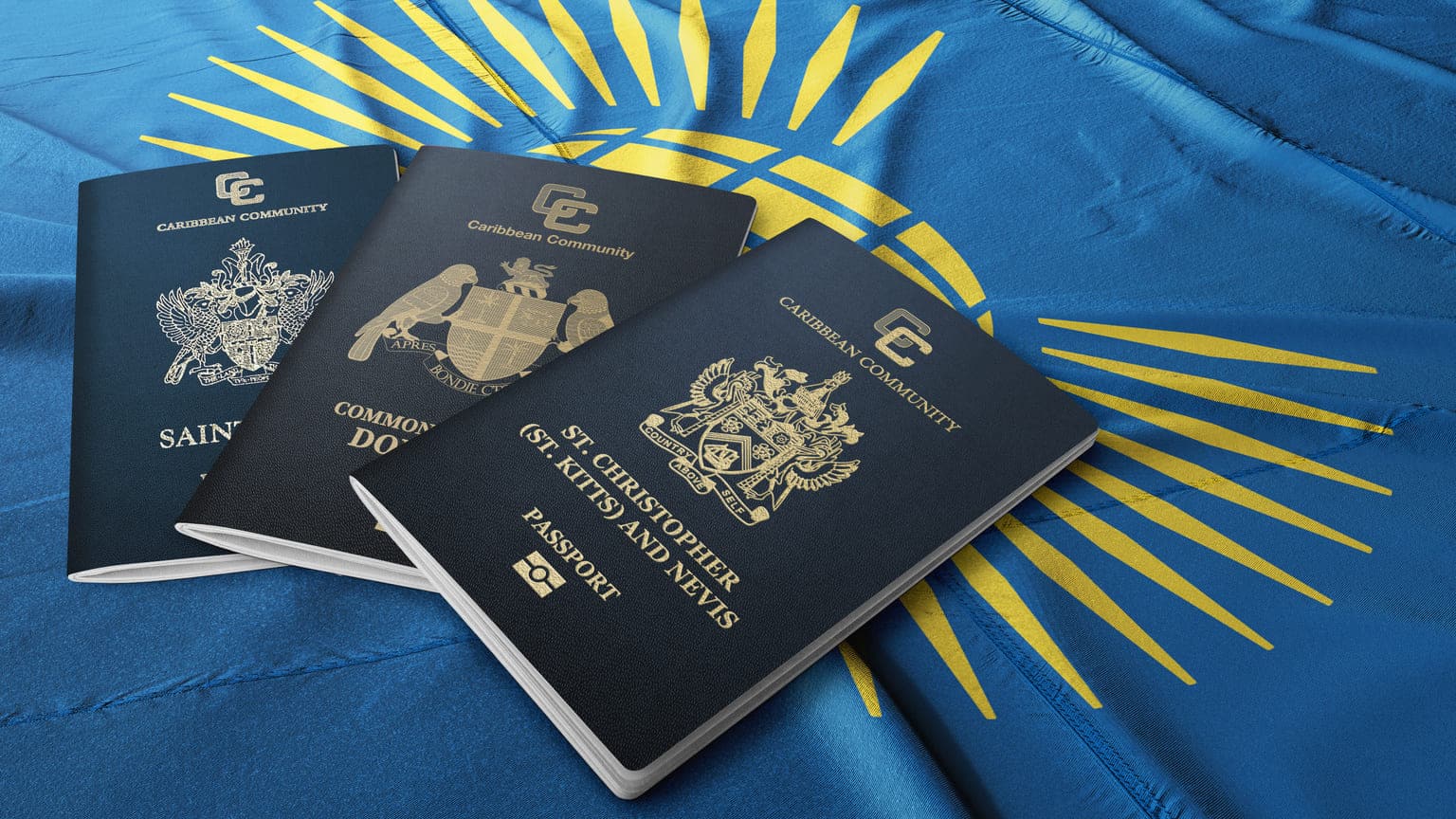
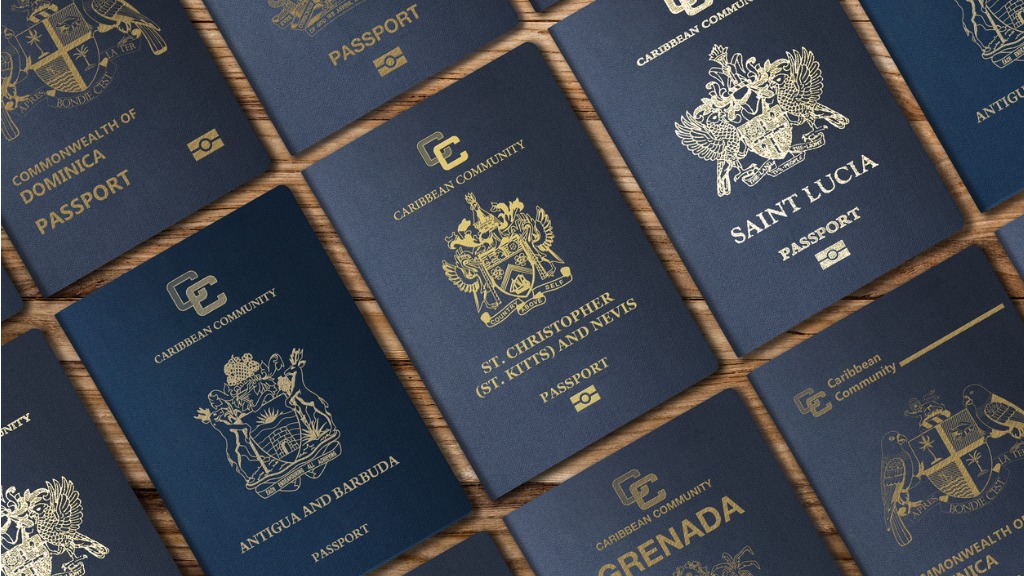
One of the key instruments behind this mobility is the CARICOM Passport. Issued by 15 member states within the Caribbean Community, the CARICOM Passport simplifies regional travel, work eligibility, and long-term relocation planning. For investors who secure citizenship through approved programs, it enables seamless access across the Caribbean, with added benefits under frameworks like the OECS and the CARICOM Single Market and Economy (CSME).
As global demand for second citizenship, residency diversification, and offshore flexibility grows, the Caribbean continues to emerge as a high-value, legally sound region for international families seeking resilience, lifestyle, and long-term positioning.
What Is the CARICOM Passport?
The CARICOM Passport is a standardized travel document issued by CARICOM member states to their citizens. It is a tool for regional integration, supporting visa-free or visa-on-arrival travel within 15 participating Caribbean countries. Citizens using this passport benefit from easier movement, reduced border friction, and alignment with regional labor and trade policies.
While the document itself is issued by individual nations, its format and privileges are unified. It includes both the issuing country’s coat of arms and the CARICOM insignia, helping border officials throughout the region instantly recognize the traveler’s status.
Only full citizens of CARICOM member states—either by birth, descent, or naturalization (including via investment)—are eligible. Residents and permit holders are not entitled to the passport or its associated regional privileges.
Benefits of the CARICOM Passport
A Caribbean passport issued by a CARICOM member state goes far beyond basic international travel. It plays a central role in promoting regional unity, enhancing intra-Caribbean mobility, and unlocking cross-border economic opportunity. For global citizens and investors, this document serves as both a symbol of belonging and a practical tool for seamless regional access.
Facilitating Free Movement and Regional Residency
The Caribbean passport allows you to travel, reside, and—in many cases—work across member countries under the CARICOM Single Market and Economy (CSME). Citizens of countries that are also members of the Organization of Eastern Caribbean States (OECS), including Antigua and Barbuda, Dominica, Grenada, St. Lucia, and St. Vincent, enjoy even more robust integration. These passport holders can relocate and establish residency in neighboring OECS countries without needing work permits or extended visa applications.
This free movement of people supports labor mobility, remote relocation, and family settlement, creating powerful options for those seeking long-term Caribbean integration.
Streamlined Regional Travel and Recognition
With a CARICOM passport, travelers benefit from simplified immigration procedures and often expedited lanes when moving between Caribbean countries. The standardized format and shared insignia help immigration officials across the region easily verify citizenship status, making cross-border travel more efficient and predictable.
Economic Participation and Market Access
Beyond movement, the Caribbean passport grants you legal status as a full economic participant. This includes the right to open bank accounts, acquire property, and access public services in other member states. For entrepreneurs, it enables company registration and cross-border operations with fewer licensing hurdles.
Supporting Investment Migration and CBI Benefits
For investors who gain citizenship through one of the region’s five CBI programs, the passport comes with even broader advantages. These include visa-free or visa-on-arrival access to over 140 countries worldwide, and the right to relocate within CARICOM and OECS without additional administrative burdens.
Reinforcing Legal Stability and Long-Term Security
Perhaps most importantly, a Caribbean passport connects you to a legally sound, English-speaking, politically stable region that adheres to democratic norms and rule of law. Most member states maintain independent judicial systems, stable currency regimes, and favorable legal protections for personal and business assets.
Key Benefits at a Glance:
Live and work in up to 15 CARICOM member states under the CSME framework
Permit-free relocation across OECS countries for deeper regional integration
Simplified border entry and faster processing within the Caribbean
Legal access to real estate markets, business infrastructure, and local services
Global visa-free travel (140–150+ countries) combined with regional economic rights
Building a Platform for Global Flexibility
Whether you are relocating your family, repositioning your assets, or simply diversifying your citizenship profile, a Caribbean passport offers more than symbolic value. It’s a vehicle for real freedom—one that unlocks regional access, long-term legal security, and strategic jurisdictional flexibility in a world where those qualities are increasingly rare.
CARICOM and OECS Free Movement Privileges
Understanding the free movement frameworks within the Caribbean is essential for anyone considering citizenship, residency, or investment in the region. While the CARICOM Passport is the entry point, the real value lies in the legal rights granted under two key regional agreements: the CARICOM Single Market and Economy (CSME) and the Organisation of Eastern Caribbean States (OECS).
Free Movement Under CARICOM
The CARICOM Single Market and Economy (CSME) allows qualified citizens of CARICOM member states to travel, reside, and work in other participating member states without the need for a traditional work visa. To do this, individuals must apply for a Certificate of Recognition of CARICOM Skills, which enables:
The right to seek and accept employment in another CARICOM country
Equal treatment under labor laws and workplace protections
Permission to relocate with eligible dependents
Access to basic services like healthcare and education in many host states
Implementation varies by country, and documentation requirements still apply.
Automatic Mobility Within the OECS
The Organisation of Eastern Caribbean States (OECS) goes further. Citizens of OECS countries (Antigua, Dominica, Grenada, St. Lucia, St. Vincent, Montserrat, St. Kitts) enjoy immediate and unrestricted rights to live, work, and establish residence in any other full member—no visa, permit, or skills certificate required.
Why This Matters for Investors
For CBI participants, OECS citizenship provides practical, multi-jurisdictional access. You can gain citizenship in one country, then legally reside and operate across six or more member states with no extra filings or delays. That kind of structural flexibility is rare—and extremely valuable.
Citizenship by Investment (CBI) Programs
The Caribbean offers five well-established Citizenship by Investment (CBI) programs that grant full legal citizenship and regional travel privileges. These programs are among the most efficient and respected in the world, offering direct access to second citizenship within three to six months.
St. Kitts and Nevis
St. Kitts and Nevis is home to the world’s first Citizenship by Investment program, established in 1984. Its longevity and reputation make it one of the most respected CBI offerings globally. With a $250,000 contribution to the Sustainable Island State Contribution (SISC) or a $400,000 real estate investment, applicants gain full citizenship in as little as 4–6 months.
More than just a passport, St. Kitts and Nevis offers one of the most livable environments in the Caribbean. Nevis, in particular, stands out for its high-end appeal and natural beauty. It’s home to Four Seasons Nevis—arguably the premier master-planned community in the Eastern Caribbean—featuring beachfront villas, luxury real estate, and one of the region’s most refined resort lifestyles. For investors seeking both security and a desirable second home, this market leads the pack.
Antigua and Barbuda
Antigua and Barbuda offers one of the most accessible family-focused CBI programs in the region, with updated pricing that includes a $230,000 donation to the National Development Fund (including processing fees) or $300,000 for a qualifying real estate investment. These options make it especially attractive for larger families looking for a cost-effective second citizenship route.
However, the country has a relatively limited inventory of CBI-approved real estate projects, which may affect resale and long-term value for property investors. Still, Antigua is an OECS member with strong regional access, and the twin-island state boasts excellent yachting infrastructure, international schools, and solid airlift to North America and Europe.
St. Lucia
St. Lucia offers a modern and flexible CBI program, with pricing starting at $240,000 (inclusive of government fees) for a single applicant via donation. Investors may also choose a $300,000 real estate option or invest in National Action Bonds starting at $300,000 (refundable after five years). The program typically delivers citizenship in 3–5 months and maintains a transparent and well-regulated due diligence process.
As a member of both CARICOM and OECS, St. Lucia offers strong mobility across the region. The island’s natural beauty, developing infrastructure, and expanding luxury real estate sector make it a growing favorite among investors looking for balance between accessibility and long-term upside.
Dominica
Dominica has earned a reputation as one of the most cost-effective and integrity-driven CBI programs in the Caribbean. Citizenship can be secured through a $100,000 donation or a $200,000 real estate investment, with processing timelines averaging 3–5 months.
But beyond the passport, Dominica is increasingly viewed as a frontier market on the rise. It offers exceptional opportunities for land banking, especially in large private estates, eco-lodges, and beachfront parcels. Though development is still catching up to more mature markets like St. Kitts and Antigua, investor interest is growing—and the island’s low-density, nature-rich landscape positions it well for sustainable luxury. This is one of the few places where you can still acquire prime coastal land under $2 per square foot.
Grenada
Grenada is often seen as one of the most strategic second passport jurisdictions due to its E-2 Treaty with the United States, allowing citizens to apply for a U.S. investor visa. Investors may obtain citizenship through a $150,000 donation or $220,000 in government-approved real estate.
The island also has an increasingly active real estate development scene, with boutique hotel projects, resort communities, and private villas on the rise. Grenada’s natural harbor, university sector, and connections to China and the U.S. give it a well-rounded economic profile, making it one of the most investment-ready destinations for Caribbean property development and long-term lifestyle planning.
Residency by Investment: British Overseas Territories (BOTs)
Anguilla
Anguilla offers residency via a $150,000 donation or $750,000 real estate investment, alongside a unique flat tax residency program that allows ultra-high-net-worth individuals to establish legal tax residency for $75,000 per year. This option is particularly attractive for clients seeking simplicity, privacy, and stability in a low-tax jurisdiction. Anguilla imposes no income, capital gains, or inheritance tax, making it one of the most efficient destinations for wealth preservation in the Caribbean. As a British Overseas Territory, it provides legal certainty under UK common law, and its boutique real estate market offers exclusivity without the density or pace of more developed jurisdictions.
Bermuda
Bermuda requires a $2.5 million investment for residency, typically in local real estate or economic development projects. While the territory does not currently provide a path to citizenship, it remains one of the most sophisticated offshore jurisdictions globally. With its highly regarded legal and financial systems, low crime rate, and polished infrastructure, Bermuda is ideal for individuals seeking a discreet and refined relocation option. It’s particularly suited for family offices, insurance executives, and professionals who value quality of life and institutional-grade stability over tax arbitrage.
Cayman Islands
The Cayman Islands offer long-term residency (up to 25 years) through a $1.2 million investment in developed real estate. Cayman is renowned for its zero-tax environment, high-end infrastructure, and business-friendly government. It is especially favored by hedge fund managers, crypto entrepreneurs, and international financiers looking for a safe, regulated jurisdiction with deep banking ties. While the residency does not convert into citizenship, the territory’s reputation, safety, and network of global service providers make it a leading choice for serious offshore structuring and lifestyle relocation.
Turks and Caicos
Turks and Caicos offers permanent residency via a $300,000 investment in real estate, with higher thresholds depending on property location. While BOTC and UK citizenship require long-term physical presence and naturalization, TCI’s luxury property market is thriving. With growing demand for marina access, resort developments, and residential communities, this territory is fast becoming one of the most sought-after lifestyle bases in the region. Investors benefit from a tax-neutral regime, white-sand beaches, and an English-speaking population—all under the legal framework of the United Kingdom.
Montserrat
Montserrat remains one of the most affordable and underdeveloped British Overseas Territories. It offers low-cost retiree residency and a clear path to BOTC citizenship after 10 years of legal residence. As a member of the OECS, eventual citizens also gain enhanced regional mobility. The island has untapped potential for eco-lodge development, agricultural land use, and boutique hospitality. For forward-thinking investors seeking a first-mover advantage in a slow-developing market, Montserrat is an intriguing option—quiet, stable, and full of long-term opportunity.
Residency by Investment: Independent Caribbean Nations
The Bahamas
The Bahamas offers one of the most robust and straightforward residency options in the region. Permanent residency is available to individuals who invest $750,000 or more in residential real estate. The country imposes no personal income tax, capital gains tax, or inheritance tax, making it a top-tier destination for wealth protection. Its close proximity to the United States and access to major international financial institutions further enhance its appeal.
Barbados
Barbados grants residency through special entry permits to high-net-worth individuals who invest in the local economy, most commonly through real estate or significant financial assets. The minimum investment threshold is typically $300,000, though requirements can vary. Particularly popular among Canadian and British investors, Barbados offers strong legal protections, a world-class treaty network, and direct flights to Toronto and London.
St. Vincent and the Grenadines
St. Vincent offers low-cost, low-visibility residency options, especially suited for retirees and independent professionals. While a Citizenship by Investment program has not yet been launched, there are ongoing rumors of future legislation. The country consists of 32 islands, including Mustique and Canouan, and is viewed by many as a well-situated frontier market with long-term development potential.
Conclusion
The Caribbean has evolved into far more than a seasonal escape or second-home market. For investors, entrepreneurs, and global citizens, it offers a highly strategic blend of freedom, mobility, and security. Whether you’re pursuing a second passport through a respected CBI program or seeking tax residency in a quiet British Overseas Territory, the region delivers powerful tools for personal and financial resilience.
What sets the Caribbean apart is the diversity of options within a compact geographic region. You can hold citizenship in an OECS country and own property across multiple islands. You can maintain tax residency in Anguilla while investing in development land in Dominica. You can build a long-term succession plan, giving your family global mobility and multi-jurisdictional access with minimal bureaucracy.
As the world becomes more volatile, the benefits of mobility, flexibility, and legal stability are no longer luxuries—they are necessities. The Caribbean offers these in a structure that is accessible, efficient, and internationally recognized. If you’re planning for the next decade—not just the next visa stamp—there is no better region to build from.
When it comes to managing your finances, understanding the difference between private banking and wealth management is crucial. Both services cater to high-net-worth individuals, but they offer distinct approaches to handling your financial needs and goals. Choosing the right option can significantly impact how your wealth is preserved and grown.
Private banking focuses on providing personalized banking services, often through a dedicated relationship manager. It’s about convenience, exclusive perks, and tailored solutions for your financial activities. Wealth management, on the other hand, takes a broader approach, combining investment advice, estate planning, and long-term financial strategies to secure your future.
Deciding between private banking and wealth management depends on what you value most in financial services. Whether it’s seamless banking or comprehensive financial planning, knowing the strengths of each can help you make informed decisions to optimize your wealth.
Private Banking vs. Wealth Management: Key Differences Explained
Private banking and wealth management in the Caribbean cater to high-net-worth individuals (HNWIs), offering distinct yet complementary services. Understanding their specific features and benefits helps align your financial objectives with the right service.
Introduction to Financial Services in the Caribbean
The Caribbean has become a preferred destination for private banking and wealth management, thanks to its favourable tax regimes, political stability, and reputation for discretion. Prominent locations like the Cayman Islands and the Bahamas offer world-class financial infrastructure, attracting HNWIs globally.
Overview of Private Banking and Wealth Management
Private banking focuses on delivering personalized banking services, managing your day-to-day financial needs with tailored products. It typically includes current accounts, savings, loans, and credit facilities. In jurisdictions like the Cayman Islands, private banking is known for its confidentiality and client-centric approach.
Wealth management takes a broader role in financial planning, integrating services like investment advice, estate planning, and tax optimization. It combines wealth and investment management strategies to provide long-term solutions for growing and preserving your wealth. Leading firms in the Caribbean, such as those in Bermuda and the British Virgin Islands, specialize in private wealth management with multi-jurisdictional expertise.
Why These Services are Essential for High-Net-Worth Individuals
Private banking ensures your convenience in managing complex financial activities, freeing up time for other pursuits. For example, elite institutions in the Bahamas offer bespoke financial services with unmatched flexibility.
Wealth management is critical for diversifying income and securing generational wealth. Investment opportunities in the Caribbean, such as trust funds in Barbados, are globally recognised for protecting assets while enhancing growth potential. When combined, both services help mitigate risks while addressing multi-faceted financial goals.
Cayman Islands: Renowned for private banking and trust services.
Bahamas: Known for tailored wealth management solutions and tax neutrality.
Bermuda: A hub for sophisticated wealth and investment management services.
British Virgin Islands: Recognised for strong legal frameworks supporting wealth growth.
Barbados: Prominent in estate planning and asset protection initiatives.
Understanding Private Banking
Private banking provides personalised financial services to manage your high-value banking needs. Unlike broad wealth and investment management, it focuses more on tailored, day-to-day banking solutions for high-net-worth individuals (HNWIs).
Services Offered by Private Banks
Personalized Banking Accounts: Private banks offer customized savings, current, and multi-currency accounts to simplify global transactions.
Lending Solutions: Access tailored loan programmes such as mortgages, lines of credit, or specialised lending for unique needs like luxury purchases.
Investment Advice: Some private banks extend basic guidance on low-risk investment options as part of their services.
Discretionary Services: Enjoy perks like dedicated relationship managers and exclusive banking benefits designed for your convenience.
Benefits of Private Banking
Exclusive Access: Private banking ensures you receive priority services, bypassing standard banking queues or processes.
Customization: Financial products and services are shaped to fit your specific goals, providing flexibility and efficiency.
Confidentiality: High-level discretion safeguards your privacy, a vital factor for HNWIs managing significant assets.
Convenience: Managing complex financial transactions becomes seamless, saving you time and effort.
Cayman Islands: Renowned for multi-currency accounts, lending services, and trust management offered through well-regulated private banks.
Bahamas: Known for its robust private wealth management institutions, offering bespoke banking services alongside strong confidentiality measures.
British Virgin Islands: A rising hub for customized financial solutions, enhancing the appeal of exclusive private banking services.
Barbados: Offers private and specialized account options alongside favourable investment conditions for HNWIS.
These islands combine regulatory efficiency and client-centric offerings, making the Caribbean an attractive destination for private banking.
Understanding Wealth Management
Wealth management combines financial planning, investment strategies, and advisory services to grow and safeguard assets over the long term. It’s tailored to suit the unique requirements of HNWIs focusing on wealth preservation, growth, and legacy planning.
What Wealth Management Encompasses
Wealth management involves a comprehensive approach to financial services. Core components include investment management, estate planning, tax optimization, retirement strategies, and risk assessment. The focus extends beyond immediate financial needs, covering generational wealth transfer and philanthropic endeavours.
Specialized advisors analyze your financial goals and develop strategies aligned with these objectives. Services might include diversifying portfolios through equities, bonds, and alternative investments or structuring trusts to ensure tax efficiency. Comparatively, private wealth management often offers boutique solutions prioritizing personalized advice, whereas wealth management integrates broader financial disciplines.
Benefits of Wealth Management Services
Wealth management services provide tailored strategies to achieve financial objectives while mitigating risks. By combining aspects of wealth and investment management, these services improve portfolio performance and adapt to market conditions.
Key benefits include:
Customized Investment Plans: Advisors determine suitable asset allocation based on risk tolerance, ensuring a balance between growth and security.
Holistic Wealth Strategies: Comprehensive solutions integrate legal, estate, and tax planning into financial strategies.
Global Expertise: Wealth management bank professionals with cross-border financial knowledge address international investment complexities.
Popular Caribbean Islands for Wealth Management
Caribbean nations are favoured destinations for wealth management due to their regulatory frameworks and beneficial tax policies. Some of the most prominent options include:
Cayman Islands: Offers multi-currency accounts, fund management expertise, and robust trust services.
Bahamas: Renowned for its wealth and investment management services, it focuses on bespoke financial structures with privacy guarantees.
British Virgin Islands: Emerging as a hub for tailored investment solutions and tax-friendly structures.
Barbados: Provides flexible options with treaty advantages, beneficial for HNWIs looking for global asset diversification.
Wealth management in the Caribbean balances strategic investment opportunities with the legal and tax advantages required for long-term financial security.
Key Differences Between Private Banking and Wealth Management
Understanding the differences between private banking and wealth management is essential when deciding the right approach for achieving your financial objectives in the Caribbean. Both services target high-net-worth individuals (HNWIs) but differ significantly in focus, offerings, and accessibility.
Service Offerings and Client Focus
Private banking delivers tailored banking solutions focused on managing your day-to-day financial needs. Key services include multi-currency accounts, lending facilities, and exclusive benefits. Private banking in the Caribbean often emphasizes discretion and personalized financial support, with renowned locations such as the Cayman Islands and the Bahamas offering bespoke banking services.
Wealth management provides a comprehensive approach encompassing financial planning, investment strategies, and estate planning. Its primary focus lies in wealth preservation and growth strategies, integrating tax optimization and legacy planning. Caribbean jurisdictions like the British Virgin Islands and Barbados are ideal for private wealth management and wealth and investment management, attracting HNWIs with their regulatory advantages.
Customization vs. Standardized Solutions
Customization remains a hallmark of wealth management. Professionals design bespoke strategies aligning with your financial goals, investment preferences, and multi-generational wealth transfer plans. Tailored investment strategies in Caribbean hubs like Barbados account for individual market conditions, ensuring long-term performance.
Private banking offers more standardized solutions, though with certain exclusive elements like customized lending or account terms. Locations such as Bermuda provide tailored everyday banking with added advantages like confidentiality. These services are less complex but prioritize convenience and exclusivity.
Cost Structures and Accessibility
Private banking often requires lower entry thresholds compared to wealth management, making it accessible to a broader range of HNWIS. Costs here generally include banking fees or interest rates, with Caribbean banks offering competitive structures in locations like the Bahamas and Cayman Islands.
Wealth management entails higher costs due to its holistic services. Fees typically include asset management percentages or customized advisory costs. The Cayman Islands, a leader in wealth management, offers premium services positioned for significant asset holders prioritizing extensive strategic guidance.
Choosing the Right Option for Your Financial Goals
Whether private banking or wealth management aligns with your financial goals depends on various factors, such as your current needs, future planning, and investment aspirations. Optimizing the use of these services can significantly impact wealth preservation and growth.
Factors to Consider When Deciding
Evaluate the scope of services. Private banking focuses on personalized financial services such as account management, credit solutions, and basic advisory support. These services are ideal if you value confidentiality and streamlined support for day-to-day banking needs. If you’re searching for comprehensive financial planning, including investment strategies, estate management, and tax optimization, wealth management provides wider solutions.
Consider entry thresholds. Private banking often requires lower balances to access its services compared to private wealth management, which involves higher costs due to the holistic and customized nature of the services.
Prioritize your financial goals. Private banking offers effective resources for short-term requirements like managing multi-currency accounts and exclusive loan facilities. In contrast, wealth and investment management focus on long-term wealth preservation and legacy planning, making them suitable for intergenerational financial strategies.
Account for geographic preferences. Caribbean destinations like the Cayman Islands and the Bahamas stand out for private banking due to enhanced discretion and bespoke account services. Meanwhile, Barbados and the British Virgin Islands excel in wealth management offerings with favourable conditions for estate planning, tax efficiency, and investment growth.
How to Leverage Both Services for Comprehensive Financial Planning
Integrate services strategically. Combining the efficiencies of private banking for immediate financial needs with the depth of private wealth management allows seamless control over both liquidity and wealth accumulation.
Use private banking for convenience. Multi-currency accounts in locations like the Cayman Islands or bespoke credit facilities offered in the Bahamas enable effective handling of day-to-day financial priorities.
Apply wealth management for long-term strategies. Services such as estate planning and tax optimization are particularly advantageous in regulatory-friendly jurisdictions like Barbados and the British Virgin Islands.
Tailor approaches to regional expertise. For instance, wealth management banks in the Cayman Islands specialize in trust structures, while private banking institutions in the Bahamas offer enhanced confidentiality for high-value accounts.
Focus on complementarity. Accessing both services can amplify financial outcomes if paired with clearly defined goals, leveraging private banking’s operational efficiency alongside wealth management’s detailed planning.
Keep these considerations and strategies in mind when selecting the optimal service, particularly in prominent Caribbean hubs recognised for their financial expertise.
Conclusion
Choosing between private banking and wealth management depends on your financial priorities, goals, and the level of service you require. Both options offer unique advantages, and understanding their differences allows you to make more informed decisions about your wealth.
By leveraging the expertise of professionals in renowned financial hubs like the Caribbean, you can access tailored solutions that align with your needs. Whether you prioritize day-to-day convenience or long-term wealth growth, a strategic approach combining both services can help you achieve optimal financial outcomes.
Frequently Asked Questions
What is the main difference between private banking and wealth management?
Private banking focuses on personalized financial services for day-to-day needs, such as savings, loans, and credit. Wealth management, on the other hand, offers a comprehensive approach, encompassing investment strategies, estate planning, and long-term wealth preservation and growth.
Who are private banking and wealth management services designed for?
Both services cater to high-net-worth individuals (HNWIs). Private banking is ideal for those seeking tailored solutions for everyday financial needs, while wealth management is suited for individuals requiring expert wealth preservation and growth strategies.
Why is the Caribbean a popular destination for these services?
The Caribbean is favoured for its favourable tax regimes, political stability, and strong reputation for confidentiality. Locations like the Cayman Islands and Bahamas are renowned for their expertise in private banking and wealth management.
What services does private banking typically offer?
What are the primary components of wealth management?
Wealth management includes financial planning, investment strategies, tax optimization, estate planning, retirement planning, and risk assessment with a strong focus on wealth preservation and growth.
How do entry thresholds differ between private banking and wealth management?
Private banking often has lower entry requirements, offering convenience and discretion. Wealth management typically requires higher entry thresholds due to its holistic and long-term focus.
Can I use both private banking and wealth management services simultaneously?
Yes, combining private banking for short-term financial needs with wealth management for long-term strategies can create a comprehensive financial plan tailored to individual goals.
What is unique about private banking in the Cayman Islands?
The Cayman Islands is known for offering multi-currency accounts and sophisticated trust management services, making it a key destination for private banking.
What makes wealth management in Barbados attractive?
Barbados provides favourable investment conditions, specialized account options, and strong regulatory frameworks, making it an appealing location for wealth management services.
How do I decide between private banking and wealth management?
Evaluate your financial goals, needs, and priorities. Private banking is best for managing day-to-day finances, while wealth management focuses on preserving and growing wealth over the long term.
The real estate and investment landscape in St. Kitts & Nevis has just experienced a major shift. In a landmark announcement, Safe Harbor Marinas—the largest owner and operator of marinas in the world—has acquired The Marina at Christophe Harbour, the long-stalled superyacht marina on St. Kitts’ southeast peninsula. This acquisition follows the $5.65 billion purchase of Safe Harbor itself by Blackstone Infrastructure, bringing significant institutional backing to the Caribbean’s luxury marine and property sectors.
Christophe Harbour St. Kitts, once one of the most ambitious master-planned communities in the region, had been largely dormant for the past decade. With this new partnership in place, momentum has returned. Safe Harbor plans a major expansion of the marina to accommodate vessels up to 107 meters, alongside upgraded infrastructure that will better connect St. Kitts and Nevis to the global yachting circuit.
This marks a pivotal moment not only for Christophe Harbour but for the broader narrative of investment migration and ultra-luxury living in the Caribbean. Investors have long watched Christophe Harbour with interest, waiting for the project to fulfill its original promise. With Safe Harbor’s entry, that promise may finally be realized.
History and Challenges of Christophe Harbour
The story of Christophe Harbour St. Kitts is one of bold vision, international ambition, and long-term complexity. Launched by American entrepreneur Charles “Buddy” Darby III, Christophe Harbour was envisioned as a luxury, master-planned marina and residential resort community capable of competing with the likes of St. Barths, the Bahamas, and the Cayman Islands.
Darby was no stranger to resort development. He had previously made his name with Kiawah Island, a high-end golf and resort enclave near Charleston, South Carolina, known for its upscale homes, eco-conscious planning, and world-class golf. With Christophe Harbour, Darby brought the same commitment to quality and exclusivity, selecting the unspoiled southeast peninsula of St. Kitts as the canvas for his next great development.
Launched in the mid-2000s, Christophe Harbour received immediate attention from investors and yachting elites. The development included ambitious plans for a superyacht marina, private beach clubs, luxury residences, a Tom Fazio-designed golf course, and even a Park Hyatt hotel. Darby and his team invested heavily in infrastructure, including customs and immigration facilities within the marina, positioning Christophe Harbour as a hub for ultra-high-net-worth visitors.
However, despite its early momentum, the project faced mounting challenges. The 2008 global financial crisis significantly disrupted the luxury development sector, and Christophe Harbour struggled to regain its early traction. Sales slowed, infrastructure outpaced absorption, and the expected flurry of new homebuilding never fully materialized. The ambitious scale of the project, while visionary, became difficult to execute without broader market tailwinds.
Over the past decade, much of Christophe Harbour remained underutilized. While the marina did open and host impressive vessels, many of the surrounding neighborhoods saw only modest home construction. Still, the land remained valuable, the core infrastructure world-class, and the vision intact—awaiting the right partner to carry it forward.
Enter Safe Harbor Marinas, with their operational expertise, global portfolio, and strong financial backing. Their acquisition brings a renewed sense of credibility and momentum to Christophe Harbour. It also marks a strategic shift—moving from founder-led passion to institutional stewardship, with a focus on maximizing value for homeowners, investors, and the Federation as a whole.
What This Means for St. Kitts & Nevis Real Estate
This transaction represents more than a marina acquisition—it’s a powerful signal that St. Kitts & Nevis is stepping into a new era of global relevance. With the entrance of Safe Harbor Marinas and their institutional scale and operational track record, confidence in the Federation’s luxury property sector has never been higher.
The implications for real estate are both immediate and long-term:
Christophe Harbour real estate is expected to experience a significant rise in value, as renewed infrastructure development boosts confidence and enhances the quality of life and service delivery.
The region is seeing a growing wave of inquiries from North American and European buyers looking for both second homes and long-term investments in high-quality Caribbean communities.
Private developers and landowners across St. Kitts and Nevis are also poised to benefit, as interest spills over into adjacent regions and established neighborhoods.
In short, this is more than a localized investment. It’s a catalyst that could reshape buyer behavior, developer strategy, and national positioning within the Caribbean’s luxury property sector.
Spotlight on Four Seasons Nevis
The revival of Christophe Harbour brings new attention to Four Seasons Nevis, the only fully operational, internationally branded resort community in the Federation. With nearly 100 private residences already completed and two new projects—Nevis Peak Residences and Villas at Pinney’s Beach—already under construction, Four Seasons is well positioned to absorb growing demand.
As other regional developments remain years away, Four Seasons Nevis offers immediate lifestyle access, resort services, and Citizenship by Investment (CBI) eligibility—making it the clear choice for buyers seeking credibility and convenience. new life into Christophe Harbour, it also adds fuel to the fire at Four Seasons Nevis. As the only internationally branded resort community currently operational in the country, Four Seasons Nevis is now uniquely positioned to absorb demand from investors seeking luxury, credibility, and immediate access to Caribbean lifestyle.
Every other comparable development in the region is five to ten years away from completion. In contrast, Four Seasons Nevis offers buyers move-in ready homes, full resort amenities, and strong resale potential—making it the clear choice for those looking to act now.
As capital and attention flow back into The Marina at Christophe Harbour, Nevis stands to benefit tremendously. We anticipate accelerated interest and price growth in the luxury segment as a result.
Four Seasons Nevis is also the only real estate development in the Federation currently delivering Citizenship by Investment shares within a fully built, internationally operated resort setting. For global families balancing financial security, lifestyle access, and second citizenship, the choice is becoming increasingly clear.
A Regional Turning Point
This acquisition was made possible through the support of the Government of St. Kitts and Nevis, the Darby family (original visionaries behind Christophe Harbour), and key diplomatic figures including Special Envoy Her Excellency Hadiya Claxton. Prime Minister Dr. Terrance Drew has called the transaction a “catalyst for long-term economic growth and international recognition.”
The Christophe Harbour Development Company will continue to manage the residential components of the site, while Safe Harbor Marinas takes over operations of the marina itself, integrating it into its global portfolio of over 135 properties.
The return of serious capital and credible operators to Christophe Harbour represents a turning point not only for the project itself, but for the trajectory of luxury real estate in St. Kitts & Nevis. For investors, Citizenship by Investment applicants, and global families looking for secure second homes in the Caribbean, now may be the time to take a closer look.
What This Means for the Future of the Market
The revitalization of Christophe Harbour signals more than just a single project getting back on track—it represents a broader reawakening of the St. Kitts and Nevis real estate market. With renewed investment, institutional oversight, and long-overdue momentum, the Federation is entering a new chapter of credibility and global relevance.
This moment offers a rare opportunity for buyers, developers, and landowners alike:
Land value appreciation is expected across the Southeast Peninsula and in adjacent high-end communities, particularly those with infrastructure in place.
Luxury housing inventory, especially at Four Seasons Nevis and in future phases of Christophe Harbour, is likely to tighten as regional attention grows.
Resale and rental potential will be bolstered by rising tourism, enhanced marina traffic, and broader infrastructure improvements.
Perhaps most importantly, the Safe Harbor acquisition proves that top-tier global investors see long-term value here. As other island jurisdictions face delays or political uncertainty, St. Kitts and Nevis now offers something rare: stability, delivery, and vision—at exactly the right time.
Final Thoughts
Christophe Harbour’s next chapter is already underway, and with it, the future of real estate in St. Kitts and Nevis is evolving quickly. What was once seen as a dormant asset is now becoming a beacon for growth, tourism, and high-quality development in the Caribbean.
Whether you’re a buyer considering your first property in the Federation, a developer seeking land with strong fundamentals, or simply someone following the transformation of the Eastern Caribbean, the message is clear: this is a rare moment of alignment—vision, capital, and infrastructure are finally in place.
From the hills of Nevis to the coastlines of the Southeast Peninsula, the real opportunity isn’t just what’s coming next—it’s what’s already happening.
When you think of Antigua, pristine beaches and turquoise waters might come to mind, but this Caribbean gem is also a renowned tax haven. With its favourable tax policies and business-friendly environment, Antigua has become a hotspot for entrepreneurs, investors and global corporations seeking financial advantages. Its strategic location and stable economy only add to its appeal.
Setting up a business or managing assets in Antigua offers more than just tax benefits. You’ll find streamlined regulations, confidentiality and access to international markets, making it an attractive destination for wealth management. Whether you’re looking to reduce your tax burden or diversify your financial portfolio, Antigua provides a compelling solution.
The island’s reputation as a tax haven isn’t just about low taxes—it’s about creating opportunities. By leveraging Antigua’s policies, you can unlock financial growth while enjoying the perks of operating in one of the world’s most idyllic locations.
Tax-Free Living in Antigua: Tax Haven for Investors
Antigua’s tax policies make it a highly attractive destination for individuals and businesses seeking financial optimisation. Its combination of zero personal income tax and offshore-friendly regulations enhances its reputation as a leading tax haven.
Introduction to Antigua as a Tax Haven
Antigua offers unparalleled tax benefits, drawing investors and entrepreneurs from across the globe. Known for living tax-free in the Caribbean, it provides an environment with no capital gains tax, wealth tax, or inheritance tax.
The absence of restrictions on foreign currency movements supports offshore tax planning by making international transactions seamless. Its robust financial infrastructure fosters ease of business operations and private wealth management, positioning Antigua as a premier tax haven.
Overview of Antigua’s Territorial Tax System
Antigua operates a territorial tax system, which means only income earned locally is subject to taxation. Foreign-sourced income, including dividends and investment returns, remains entirely tax-free for residents.
This tax system encourages global investors to channel their earnings through Antigua. By establishing residency under the Antigua residency program, you can legally avoid paying tax on worldwide income. Businesses also thrive here due to the lack of double taxation agreements with key markets.
Antigua’s Appeal for High-Net-Worth Individuals
Antigua’s tax policies appeal particularly to high-net-worth individuals. Its zero-tax regime on foreign revenue perfectly complements strategies for offshore tax planning.
Residency status offers asset protection, confidentiality, and ease of estate planning. The Antigua residency program simplifies this process for individuals seeking long-term settlement while maintaining tax-free income from global investments.
Tax Advantages of Living in Antigua
Antigua offers an appealing combination of a picturesque Caribbean lifestyle and significant financial incentives. Its territorial tax system allows for tax optimisation, especially for global investors and high-net-worth individuals.
0% Tax on Foreign-Sourced Dividends and Investment Income
You benefit from Antigua’s territorial tax framework, as only locally sourced income is taxable. Foreign-sourced dividends and investment income are entirely tax-free, making it an ideal location for offshore tax planning. For instance, if you earn income through overseas investments, such as real estate, stocks, or businesses, Antigua imposes no tax on those earnings.
This policy supports individuals seeking to minimise their global tax burden. Combined with the absence of foreign currency restrictions, it facilitates seamless international revenues without punitive levies. Many residents enjoy living tax-free in the Caribbean while maintaining diversified portfolios abroad. Antigua’s residency program enhances these advantages, giving you full access to these favorable benefits.
Exemptions on Capital Gains and Inheritance Taxes
Capital gains and inheritance taxes are non-existent in Antigua, providing a crucial edge for wealth preservation. If you sell assets, such as property or shares, you won’t face capital gains taxation. This ensures maximised profits from your investments and eliminates the need for complex tax strategies.
Inheritance tax exemptions further protect your estate. If you’re planning intergenerational wealth transfer, your heirs avoid burdensome tax obligations. This factor reinforces Antigua’s status as a tax haven attraction for families, retirees, and global entrepreneurs. Affiliation with the Antigua residency program amplifies these tax benefits, ensuring smooth and tax-efficient wealth management and estate planning.
Tax Residency Options in Antigua
Antigua’s residency options offer strategic avenues for tax optimisation, providing a blend of tax benefits and a premier Caribbean lifestyle. The island’s tax policies cater to global investors and high-net-worth individuals seeking to streamline their finances.
Antigua Citizenship by Investment Program
The Antigua Citizenship by Investment Program (CIP) provides an efficient route to obtain citizenship and access tax benefits in Antigua. This program appeals to individuals aiming to optimise their global tax strategies and secure a second citizenship. By contributing to the National Development Fund (minimum $100,000 for a single applicant) or investing in approved real estate (minimum $200,000), you can qualify.
The program enables you to reside in Antigua and benefit from its territorial tax system. Under this framework, foreign-sourced dividends and investment income remain entirely tax-free, enhancing offshore tax planning opportunities. Additionally, the lack of personal income tax ensures you can achieve financial efficiency while enjoying the benefits of dual citizenship. Processing times for applications are approximately 3-4 months, granting swift access to these advantages.
Antigua’s Flat-Tax Program
The flat-tax program in Antigua offers a straightforward structure for tax contributions. This option is tailored for individuals with global investment portfolios or high earnings outside the island. A fixed annual tax of $20,000 applies under this regime, simplifying tax planning, especially for those pursuing living tax-free in the Caribbean.
Participation in the flat-tax program complements the territorial tax system by shielding foreign-sourced income from taxation. It’s particularly advantageous for entrepreneurs or retirees with global financial assets. The predictable flat rate eliminates uncertainties, allowing effective wealth management while you enjoy Antigua’s tax-friendly environment.
Eligibility and Application Process
Antigua residency program eligibility involves a streamlined process designed to facilitate applicants. You must demonstrate financial self-sufficiency by verifying stable income or assets and pass a basic due diligence check. This process typically requires submitting personal documentation, such as passports, proof of income, and police records.
Applications for residency or the Citizenship by Investment Program proceed through licensed agents approved by the government. Residency approval grants access to Antigua’s territorial tax benefits and the opportunity to optimise your offshore tax planning. Processing fees and investment thresholds may vary, but the system ensures transparency and ease of access for qualified applicants. The entire process, from submission to approval, often takes no longer than six months.
Offshore Tax Planning in Antigua
Antigua’s favourable tax landscape attracts investors and entrepreneurs for efficient offshore tax planning. Its territorial tax system and residency options provide significant advantages for wealth preservation and global investment strategies.
Setting Up Offshore Accounts and Trusts
Setting up offshore accounts and trusts in Antigua enhances asset protection and privacy. These structures are instrumental for estate planning, shielding your assets from external claims or regulatory scrutiny. Offshore trusts in Antigua provide confidentiality due to the jurisdiction’s strict legal framework, ensuring minimal disclosure requirements.
With no inheritance or wealth tax, Antigua offers a strategic environment for intergenerational wealth transfer. For example, families can establish trusts to allocate assets efficiently while benefiting from tax exemptions. Offshore accounts also simplify managing international investments, supported by the absence of currency movement restrictions. This facilitates seamless transactions and secure storage of wealth.
Combining these structures with Antigua’s territorial tax system ensures that foreign-sourced income remains tax-free. This complements individual or corporate strategies aimed at minimising global tax liabilities while maintaining compliance with international regulations.
Leveraging Antigua’s Tax Policies for Global Investments
The territorial tax framework lets you optimise returns from global investment portfolios. In Antigua, only locally sourced income is subject to taxation, allowing foreign-sourced dividends and investment income to remain untaxed. This feature suits high-net-worth individuals focused on living tax-free in the Caribbean while pursuing global financial growth.
The absence of capital gains tax amplifies investment opportunities. Investors benefit from retaining entire profits on international equity sales or property investments. Diversified global portfolios thrive under Antigua’s tax policies, as the jurisdiction encourages both individual and corporate expansion.
Pairing these advantages with the Antigua residency program enhances access to strategic tax benefits. This program allows you to enjoy tax exemptions while benefiting from the country’s stable economy and streamlined regulatory processes. By aligning tax planning with global investments, Antigua strengthens its position as a premier jurisdiction for financial efficiency.
Quality of Life for Residents in Antigua
Residents in Antigua enjoy a high standard of living, blending luxury, community, and financial advantages. The island’s setting and amenities offer both comfort and a strategic base for global investment and wealth preservation.
Real Estate Opportunities and Luxury Living
Property in Antigua offers investment potential and access to an upscale lifestyle. Luxury villas, beachfront homes, and gated communities are available, catering to varying preferences. Prime locations include Jolly Harbour and English Harbour, known for waterfront properties and modern amenities.
Ownership enhances your quality of life through access to private beaches, pools, and wellness centres. Many residential developments are situated near marinas, ideal for those engaging in yachting or other watersports.
The Antigua residency program allows direct access to these upscale real estate opportunities. Combining this with the island’s tax-free status on global income strengthens its appeal for investors seeking both living tax-free in the Caribbean and property value appreciation.
Community and Expat Lifestyle Benefits
Living in Antigua fosters connections within a vibrant and inclusive society. A growing expatriate population has established supportive networks through associations and clubs. These groups organise events, offering opportunities for networking and cultural exchange.
Antigua’s stable infrastructure supports an international lifestyle with top-tier healthcare, private schools, and modern utilities. Residents can enjoy local markets, fine dining, and wellness retreats, which enhance daily living.
Social benefits are complemented by financial advantages. Antigua’s lack of taxes on foreign-sourced dividends and investment income promotes fiscal stability. Access to the offshore tax planning environment meets the needs of investors and entrepreneurs pursuing financial growth while maintaining a relaxed lifestyle.
Conclusion
Antigua offers an unmatched combination of financial advantages and an idyllic Caribbean lifestyle. Its tax policies create opportunities for wealth preservation, global investment growth, and intergenerational planning, while the residency and citizenship programmes provide a straightforward path to these benefits.
Whether you’re an entrepreneur, investor, or retiree, Antigua’s tax haven status, coupled with its luxury living and supportive community, ensures you can enjoy both economic efficiency and a high quality of life. It’s a destination where financial optimisation meets tropical paradise.
When you think of the Caribbean, it’s easy to picture turquoise waters and sandy beaches, but its rich history is just as captivating. Caribbean historic properties offer a glimpse into centuries of culture, colonial influence, and architectural marvels that have withstood the test of time. These landmarks tell stories of resilience, transformation, and heritage that shape the region’s unique identity.
Exploring these historic gems takes you beyond the typical tourist experience. From grand plantation estates to ancient forts overlooking the sea, each property holds a piece of the Caribbean’s past. You’ll uncover the blend of indigenous, African, and European influences that have left their mark on the islands.
Whether you’re a history enthusiast or simply curious about the Caribbean’s cultural roots, visiting these properties is a journey into the heart of the region’s legacy. They’re more than just buildings—they’re living connections to the stories that define the Caribbean.
Caribbean Real Estate: Investing in Historic Properties
The Caribbean offers unparalleled opportunities for investing in heritage real estate. Historic properties in key markets like Bridgetown, Barbados, and San Juan, Puerto Rico, combine cultural significance with modern investment potential.
Introduction to Historic Properties
Historic properties in the Caribbean range from colonial estates in Charlestown, Nevis, to forts in Kingston, Jamaica. These sites reflect centuries of European, African, and indigenous influences. English Harbour, Antigua, with its Georgian naval heritage, exemplifies the unique architecture and stories behind these properties.
Owning a piece of history carries prestige, but it also provides tangible benefits. In Bridgetown, properties offer proximity to UNESCO-listed sites, making them attractive for tourism ventures. Strategic locations like San Juan blend history with vibrant urban lifestyles, increasing their demand among buyers.
Definition and Appeal of Heritage Real Estate
Heritage real estate refers to properties honoring cultural significance, historical craftsmanship, and architectural legacy. The Caribbean markets this type of real estate through eclectic designs, historical relevance, and prime locations.
Investment appeal stems from combining authenticity with functionality. Restored properties, such as plantation houses in Nevis, serve as boutique hotels, attracting heritage tourism. Similarly, adaptive reuse initiatives in Bridgetown convert historic structures into commercial assets, aligning with market trends. These elements make heritage real estate a valuable investment.
Importance of Preservation in the Caribbean
Preservation safeguards the Caribbean’s cultural and architectural identity while enhancing property value. Efforts in markets like Kingston and English Harbour ensure the longevity of historic sites, aligning them with investment trends.
Governments and organizations promote sustainable restoration to support tourism and economic growth. In San Juan, tax incentives encourage preservation and upgrades, attracting investors. By maintaining authenticity, you contribute to the region’s heritage and benefit from growing demand for preserved historic properties.
Key Investment Markets
Caribbean historic properties represent unique opportunities in heritage real estate, combining cultural value with significant investment potential. Exploring market trends in key locations enhances your ability to make informed decisions while prioritizing preservation efforts.
San Juan, Puerto Rico: Historic Districts with High Demand
San Juan’s historic districts, such as Old San Juan, attract consistent interest from investors. Properties here typically include colonial-era buildings and plazas that showcase Spanish architectural influences. Due to its vibrant tourism, Old San Juan offers opportunities for boutique hotels, restaurants, and retail spaces. Market trends show strong rental demand driven by the influx of visitors. Preservation remains a priority, with government incentives available for restorations that maintain the city’s cultural identity. Investing in restored properties here aligns with both financial returns and heritage conservation.
Bridgetown, Barbados: Colonial Charm and Modern Potential
Bridgetown combines colonial-era charm with evolving commercial opportunities. Historic estates and buildings reflect British influences, creating a foundation for restoration projects in the city’s UNESCO-designated areas. Market trends indicate increased focus on commercial use, particularly for luxury accommodations and office spaces. With heritage real estate central to Bridgetown’s character, efforts in preservation protect historical integrity while boosting asset value. The city’s robust tourism and business climate present solid paths for investors seeking long-term growth.
Kingston, Jamaica: Blending History with Urban Growth
Kingston offers a unique mix of historical landmarks and urban redevelopment. Heritage properties, such as Georgian-style estates, contribute to the dynamic appeal for cultural tourism and commercial adaptation. Recent market trends highlight the growing relevance of mixed-use developments in historic districts. Restoration projects in Kingston often benefit from tax incentives designed to enhance preservation while attracting investors. This interplay between historic value and modernization positions Kingston as a compelling market for heritage real estate investment.
English Harbour, Antigua: Maritime Heritage and Luxury Appeal
English Harbour centers around a rich maritime history, anchored by landmarks like Nelson’s Dockyard, a UNESCO World Heritage site. Large estates and waterfront properties attract high-end investors seeking luxury developments, such as boutique resorts or private villas. This market emphasizes preservation, blending restoration with the harbor’s historic character. Market trends favor high-value investments, supported by Antigua’s focus on sustainable tourism. The appeal of English Harbour lies in its combination of historical significance and luxury opportunities.
Charlestown, Nevis: Cultural Significance and Investment Opportunities
Charlestown is recognized for its rich cultural history and well-preserved Georgian-style buildings, which offer diverse investment potential. Properties here often serve as heritage hotels, museums, and cultural centers, benefiting from steady tourism. Current market trends show gradual growth in demand for restored properties aligning with preservation priorities. Government incentives encourage sustainable restoration, ensuring long-term value for both investors and the community. Charlestown’s distinct cultural identity anchors its status as a key destination for heritage real estate ventures.
Investment Potential
Historic properties in the Caribbean hold significant investment potential, combining architectural heritage with commercial viability. Key markets like Bridgetown, Barbados, and English Harbour, Antigua, attract investors seeking opportunities in heritage real estate.
High-Value Returns from Restored Properties
Restored heritage real estate generates substantial value by merging historical appeal with modern functionality. Properties like Georgian-style buildings in Charlestown, Nevis, or colonial estates in Bridgetown, Barbados, appeal to high-net-worth individuals and developers. Successfully restored sites often command premium prices in the real estate market, particularly in high-demand tourist regions.
Mixed-use restoration enhances returns, with buildings converted into luxury accommodations, boutique hotels, or commercial spaces. Markets such as San Juan, Puerto Rico, show a proven track record of strong rental yields driven by tourism and business travelers. Preservation strategies supported by tax incentives and grants boost value while safeguarding cultural integrity.
Tourism-Driven Demand for Heritage Real Estate
Tourism sustains demand for heritage properties across the Caribbean. Visitors increasingly seek authentic cultural experiences, favoring destinations like Old San Juan, Puerto Rico, with its preserved colonial architecture. Similarly, English Harbour, Antigua, attracts high-end tourists and investors drawn to its maritime heritage.
Market trends emphasize heritage preservation as a cornerstone of tourism appeal. Luxury developments, particularly in Bridgetown and Kingston, convert historical landmarks into profitable assets catering to global travelers. Investment potential rises when restoration aligns with sustainable tourism, ensuring that the unique character of each property enhances its marketability and long-term earning capacity.
Market Trends
Caribbean historic properties are gaining traction in heritage real estate due to their unique blend of cultural significance and economic potential. Interest in restoring iconic architecture aligns with rising demand for authentic tourism experiences and investment opportunities.
Increasing Interest in Preserving Architectural History
Preservation efforts are shaping market trends, as investors see heritage properties as valuable assets. Markets like Bridgetown, Barbados, and San Juan, Puerto Rico, where tourism thrives, showcase restoration projects that balance authenticity with modern use. Restoration of colonial estates and forts attracts buyers who value cultural identity alongside the properties’ real estate appeal.
Government incentives, such as tax benefits and grants, further support preservation initiatives, driving awareness and action in sustainable restoration. In English Harbour, Antigua, and Charlestown, Nevis, historic landmarks benefit from these programs, increasing their desirability. This focus on architectural conservation creates opportunities for investors seeking properties tied to Caribbean history while meeting tourism demand.
Balancing Commercial Use and Preservation
A balance between preservation and commercial use strengthens the market value of heritage real estate. Restored properties in tourist hubs like Kingston, Jamaica, and Bridgetown, Barbados, successfully integrate functionality into their rich history. Mixed-use developments, including boutique hotels and luxury accommodations, cater to high-end travelers and urban investors, offering profitable returns.
Preservation guidelines ensure historical integrity while allowing adaptive reuse. Investors adapt these sites to maintain cultural relevance without sacrificing economic viability. In high-demand markets such as San Juan, Puerto Rico, this ensures sustainability and sustained growth for historic real estate, blending tradition with modernity for optimal investment outcomes.
Preservation Importance
Historic properties in the Caribbean form the backbone of cultural and architectural identity, promoting tourism, economic growth, and community pride. Preservation ensures these landmarks remain relevant and valuable for both heritage and investment purposes.
Role of Historic Properties in Community Identity
Historic properties connect communities with their cultural roots, reflecting their unique heritage and shared history. In towns like Charlestown, Nevis, and English Harbour, Antigua, Georgian architecture and maritime landmarks highlight local traditions and reinforce collective identity. These sites offer residents a sense of pride, while tourists gain authentic cultural experiences.
Commercial use of preserved historic properties, such as boutique hotels in Bridgetown, Barbados, and mixed-use spaces in Kingston, Jamaica, fosters economic engagement. Restoration projects enhance urban environments, balancing modern functionality with cultural preservation. These projects maintain historical character, which defines community aesthetics and attracts tourists.
By anchoring local traditions in preserved architecture, historic properties contribute to resilience in evolving markets. Their importance extends beyond cultural preservation, strengthening local economies reliant on heritage tourism.
Partnerships with Preservation Societies and Government Programs
Collaborations with preservation societies and governments bolster restoration efforts for heritage real estate. In San Juan, Puerto Rico, tax incentives promote the restoration of colonial districts like Old San Juan, enabling developers to undertake sustainable preservation projects. This aligns cultural significance with investment potential.
Government programs often provide grants or tax benefits to alleviate restoration costs. For example, Caribbean nations invest in conserving landmarks while encouraging private-sector participation through market incentives. Partnerships with global heritage organizations further ensure adherence to restoration standards, protecting architectural authenticity.
These combined efforts make preservation viable for investors while safeguarding cultural identities. Initiatives in markets like Bridgetown and Kingston emphasize mixed-use development, demonstrating how partnerships enhance both community identity and economic growth.
Conclusion
Caribbean historic properties offer a rare combination of cultural depth and economic opportunity. Whether you’re drawn to their architectural beauty, rich heritage, or investment potential, these landmarks provide unmatched value. By preserving these treasures, you contribute to safeguarding the region’s identity while unlocking sustainable growth.
Exploring or investing in these properties allows you to be part of a meaningful journey that celebrates the Caribbean’s vibrant past and promising future. The blend of preservation and innovation ensures these historic gems remain relevant, impactful, and rewarding for generations to come.
Managing significant wealth comes with unique challenges, and that’s where family office wealth management steps in. It’s more than just overseeing finances—it’s about preserving legacy, protecting assets, and ensuring long-term growth for generations. Whether you’re navigating investments, tax planning, or philanthropic goals, a family office provides tailored solutions to meet your family’s needs.
You might wonder why this approach is gaining traction. As financial landscapes grow more complex, families with substantial assets are seeking personalized strategies that go beyond traditional wealth management. A family office offers a centralized framework to handle everything from estate planning to risk management, giving you peace of mind.
By adopting a holistic approach, family office wealth management ensures your family’s values align with financial decisions. It’s not just about growing wealth—it’s about creating a sustainable future while simplifying the complexities of managing it all.
Family Offices and Wealth Management: Diversifying with Caribbean Real Estate
Caribbean real estate offers unique opportunities for family offices seeking to diversify portfolios and manage wealth effectively. These investments can reduce risks while complementing traditional asset classes, creating a stronger financial foundation.
Introduction to Family Offices and Wealth Management
Family offices provide tailored wealth management solutions to affluent families. They focus on sustaining and growing wealth across generations by incorporating diverse asset strategies that align with family goals.
What are Family Offices?
Family offices are entities managing the financial assets, legal affairs, and estate planning of high-net-worth families. Single-family offices handle the needs of one family, while multi-family offices serve multiple families. Both models aim to ensure that investments, such as real estate, support legacy preservation and long-term growth.
Importance of Diversification in Wealth Management
Diversification is critical in safeguarding wealth against market volatility. By including non-correlated asset classes like Caribbean real estate, family offices can mitigate risk. These markets often remain stable compared to developed regions like the US, Canada, Europe, and Asia, increasing their appeal for family office real estate investors. Resorts, luxury villas, and commercial properties across the Caribbean provide avenues to balance portfolios and explore alternative revenue streams.
Real estate investments in this region can act as a hedge while contributing to an adaptable and resilient wealth management strategy for family office management.
Overview of Caribbean Real Estate Markets
Caribbean real estate presents a compelling opportunity for diversifying family office portfolios. Properties in this region offer unique advantages like susceptibility to less market volatility and alignment with long-term wealth goals.
Non-Correlation with Developed Markets
Caribbean real estate markets generally operate independently from developed markets like the US, Canada, Europe, and Asia. This non-correlation reduces exposure to global economic fluctuations, which safeguards wealth during periods of instability. For example, while equity markets in developed regions often fluctuate based on macroeconomic trends, Caribbean real estate values tend to remain stable, particularly in the luxury property and resort segments.
Family office real estate investment in the Caribbean minimizes the overdependence on traditional asset classes like equities or domestic real estate. Adding Caribbean properties ensures portfolio resilience by balancing risks associated with cyclical downturns in developed economies.
Unique Opportunities in the Caribbean
Real estate investment in the Caribbean comes with access to exclusive opportunities. Prime locations offer high-value options like beachfront villas, boutique hotels, and residential resorts, attracting affluent buyers. These assets not only appreciate in value but also generate recurring income through vacation rentals and luxury tourism-driven demand.
Several Caribbean nations, such as the Bahamas and Turks and Caicos, provide investor-friendly regulations, making it easier for family office real estate investors to acquire and manage properties. Citizenship-by-investment programs also enhance property value by offering additional benefits like global mobility. This combination of regulatory ease and high demand allows you to position your portfolio for both short-term income and long-term growth potential.
Benefits of Caribbean Real Estate for Family Office Portfolios
Investing in Caribbean real estate enhances portfolio diversification and fortifies risk management strategies for family office real estate investors. These markets complement traditional asset classes and contribute to building a sustainable, growth-oriented portfolio.
Portfolio Diversification and Risk Management
Caribbean real estate provides a hedge against risks in highly correlated global markets. These properties, including beachfront homes and luxury resorts, operate independently from developed markets in the US, Canada, Europe, and Asia. By investing in this region, you mitigate economic shocks that can impact traditional asset classes like equities or bonds. Diversifying across these non-correlated markets strengthens portfolio stability and resilience.
Stable Returns and Long-Term Growth Potential
Caribbean real estate offers consistent revenue streams and long-term value appreciation. Rental income from boutique hotels or luxury villas contributes to stable returns, while limited supply in prime locations ensures property appreciation over time. The region’s popularity as a global luxury destination supports steady demand, aligning these investments with long-term wealth objectives for family office real estate investment strategies.
Tax Efficiency and Wealth Preservation Strategies
Several Caribbean nations offer investor-friendly tax policies that help preserve wealth. By acquiring real estate in these jurisdictions, you reduce tax exposure and improve after-tax returns. Many markets provide incentives such as favorable capital gains or property tax rates, aligning with family office management strategies focused on sustaining multi-generational wealth. These tax efficiencies enhance the appeal of integrating Caribbean real estate into your portfolio.
Key Strategies for Family Office Investments in the Caribbean
Family offices often explore Caribbean real estate to diversify holdings and protect against risk. These markets, independent from developed economies in the US, Canada, Europe, and Asia, complement traditional assets and offer stability for wealth portfolios.
Identifying High-Value Markets
Focus on prime locations in the Caribbean to maximize returns. Areas like the Bahamas, Barbados, and Saint Lucia attract high demand due to their luxury tourism appeal. Consider markets with strong rental potential, investor-friendly laws, and consistent value appreciation. High-value areas often feature beachfront villas, boutique hotels, and resort properties that align with family office real estate investment goals.
Balancing Residential and Commercial Properties
Create a balanced portfolio by including both residential and commercial assets. Residential properties, such as luxury villas or condominiums, assure consistent rental income during tourism seasons. Commercial real estate, like boutique hotels or office spaces, diversifies income streams and reduces risk exposure. Balancing these property types strengthens your overall family office management strategy while offering adaptable revenue sources.
Leveraging Local Expertise and Partnerships
Collaborate with local real estate professionals to navigate market-specific regulations and identify high-potential investments. Partner with property managers, legal consultants, and real estate agents experienced in family office real estate investors’ needs. These partnerships simplify acquisition processes, ensure compliance, and enhance portfolio performance through informed decision-making.
Case Studies of Successful Caribbean Real Estate Investment Portfolios
For family offices seeking to preserve wealth while accessing meaningful growth, the Caribbean offers a unique blend of resilience, yield, and strategic diversification. Below are two case studies that reflect how real estate investment in the region—when executed with long-term vision and local engagement—can become a cornerstone of multigenerational wealth planning.
Dart Group – Cayman Islands
The Dart Group, headquartered in the Cayman Islands, provides a compelling model of how real estate can be used to unlock lasting value across generations. Known for developing Camana Bay, a fully integrated commercial and residential hub, Dart has demonstrated how mixed-use assets can produce stable, diversified income streams that align with family office objectives.
More recently, Dart has expanded its portfolio beyond Cayman, acquiring the prestigious Four Seasons Resort and Residences Anguilla. This move signals a broader appetite for institutional-grade, branded residences in premium Caribbean markets. The acquisition of Anguilla’s Zemi Beach House in 2024 further illustrates Dart’s strategy of consolidating top-tier hospitality assets under long-term stewardship.
What makes Dart’s approach especially relevant for family offices is its commitment to infrastructure and community uplift. Following its resort acquisitions, the group pledged $5 million toward cultural development in Anguilla, enhancing long-term asset value while contributing to local economic resilience. For family offices that view wealth as both a legacy and a responsibility, Dart offers a textbook example of capital being deployed with foresight and impact.
Ayre Group – Antigua and Barbuda
Founded by Calvin Ayre—a Canadian entrepreneur who gained global recognition through his early work in online gaming—the Ayre Group demonstrates a more entrepreneurial but equally instructive path for family offices. Now a citizen of Antigua and Barbuda, Ayre has redirected his efforts into Caribbean real estate, blockchain ventures, and philanthropy.
In the property space, the Ayre Group is developing a $400 million Nikki Beach resort and branded residences in Antigua’s Jolly Harbour, with completion expected by 2028. This development targets high-net-worth individuals seeking luxury assets with lifestyle and citizenship utility. A separate $40 million project, Vida Del Ayre, is nearing completion as a private hilltop business and wellness retreat—designed to serve elite executive clients and their families.
What sets Ayre’s model apart is how it strategically aligns with Antigua and Barbuda’s Citizenship by Investment Program. By offering real estate that qualifies for CBI, the group taps into a global pool of investors seeking both asset diversification and enhanced mobility. For family offices, this illustrates how regulatory insight and global citizenship trends can be woven into a broader real estate strategy.
Ayre’s philanthropic focus, especially through the Calvin Ayre Foundation, reinforces a central theme in family office wealth management: impact and legacy. From supporting education and healthcare to rebuilding efforts after natural disasters, the foundation’s work reflects the values-driven dimension of modern family office stewardship.
Conclusion
Family office wealth management offers a strategic pathway to preserve and grow your family’s legacy while navigating today’s complex financial landscape. By incorporating diverse investments like Caribbean real estate, you can strengthen your portfolio, mitigate risks, and achieve sustainable growth for generations to come.
With its unique advantages and potential for stable returns, the Caribbean real estate market presents an invaluable opportunity for families seeking to align their financial goals with long-term resilience. Leveraging local expertise and carefully selecting high-value properties can position your family office for enduring success.