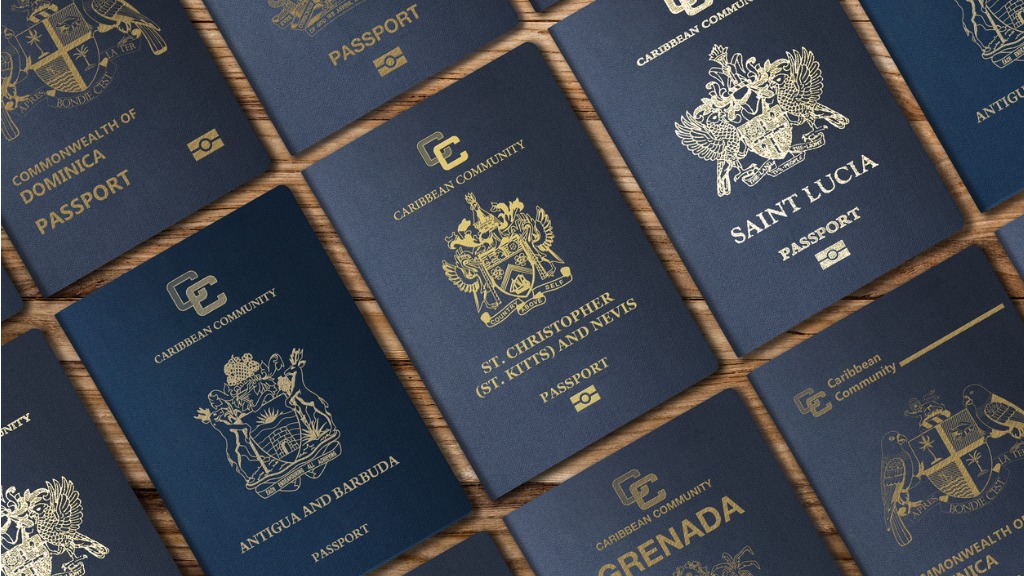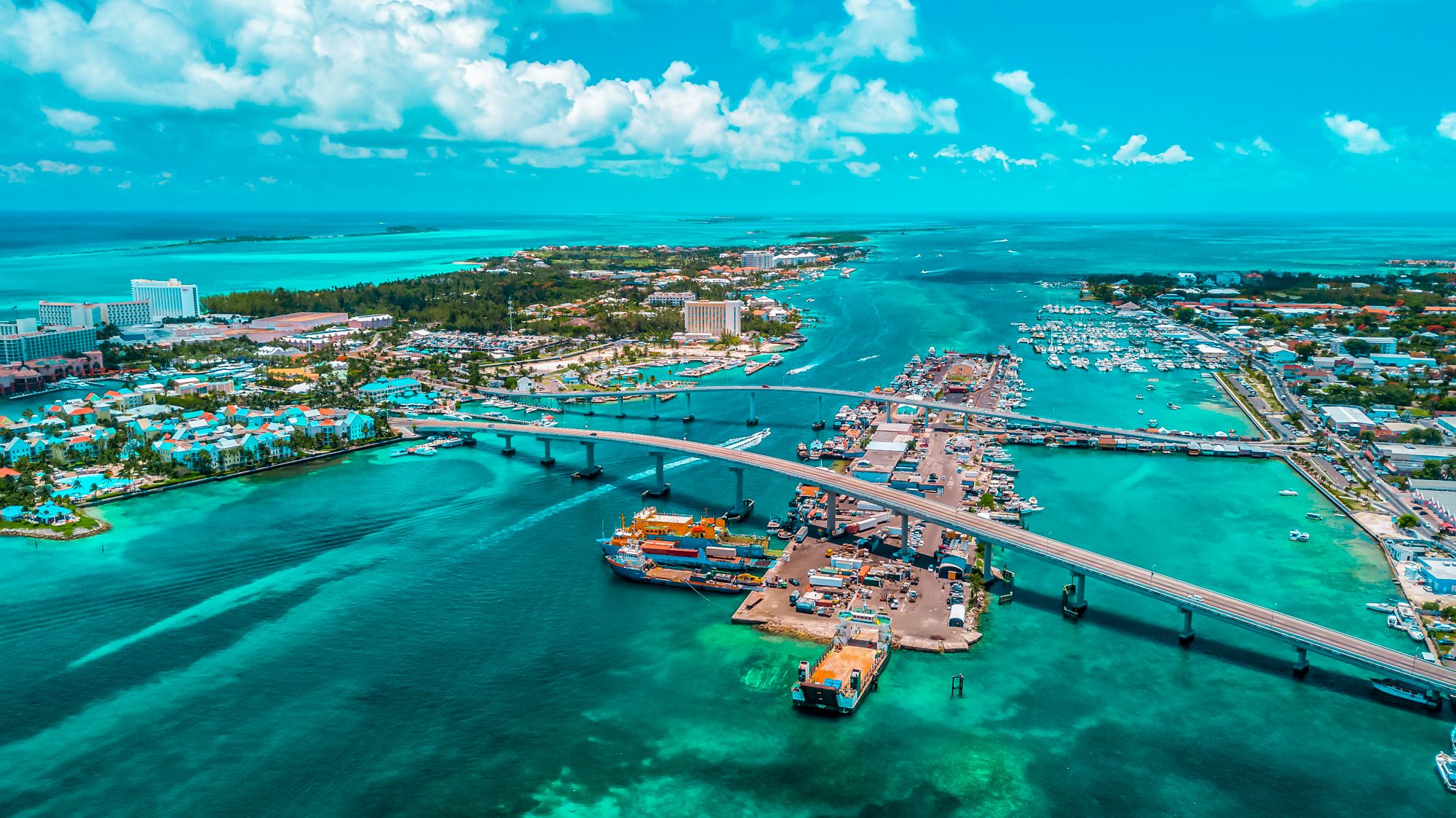
WHO WE HELP

We work with individuals and entities seeking to navigate the Caribbean real estate market.

Individuals and Families

You are looking to buy, sell, develop, or invest in Caribbean real estate and are considering a relocation for lifestyle or tax purposes. You have a pre-tax income of US $250,000 or more and/or a net worth of US $1 million or more.

Family Office and HNWIs

You seek exposure to Caribbean real estate markets and difficult-to-access opportunities. You have total assets under management exceeding USD $10+ million. Your objectives include portfolio diversification, long-term growth, and accessing exclusive investment opportunities that align with your financial goals.

Institutional Investors

You and your partners aim to source, underwrite, develop, and grow a portfolio of assets in the Caribbean. You have a $100+ million portfolio and are looking for exposure to Caribbean real estate equity and/or debt. Your focus is on identifying high-potential opportunities, managing risk, and achieving significant returns through strategic investments and developments.

Beyond the Non-Dom: Why UK Families Are Relocating to the Caribbean

Introduction

The United Kingdom’s non-domiciled (non-dom) tax regime has long been a cornerstone of its appeal to globally mobile families. For decades, it allowed international residents to legally shield foreign income and offshore assets from UK taxation—provided those funds were not remitted into the country. This framework helped transform London into a global hub for wealth, investment, and international business.

But in 2025, that long-standing privilege is coming to an end.

The UK government has announced sweeping reforms that will abolish the remittance basis of taxation and replace it with a worldwide income system. This change will subject all UK tax residents—regardless of domicile—to tax on their global earnings and gains. Offshore trusts, once considered safe havens under the non-dom structure, will face increased scrutiny and reduced protections.

For high-net-worth individuals, entrepreneurs, and international families, this signals more than a policy change. It’s a fundamental redefinition of what it means to live—and build wealth—in the UK. Thousands are now actively exploring ways to exit the system entirely.

While jurisdictions like the United States, Switzerland, and the UAE may come to mind first, a growing number of families are turning to a more strategic, and in many ways more accessible, solution: the Caribbean.

With its combination of tax neutrality, English common law systems, low-cost citizenship and residency programs, and a high standard of living, the Caribbean is fast becoming a preferred destination for former UK non-doms seeking a legal, long-term base for their personal and financial lives.

This article explores what the UK reforms mean in practice, why the Caribbean is attracting sophisticated families, and how to structure an effective and compliant exit—whether through second citizenship, real estate investment, or global trust planning.

Understanding the Shift: What’s Happening to the UK Non Dom System?

The End of the Remittance Basis

This marks a fundamental shift in how the UK treats globally mobile wealth. No longer will claiming foreign domicile protect a resident from UK taxes. The new regime replaces the old with a simplified—but much broader—system of taxation, where residency alone triggers global tax exposure.

HMRC Scrutiny and the Global Tax Shift

With this shift, HMRC will also intensify scrutiny of taxpayer behavior. Families seeking to preserve their structures will need to demonstrate clear tax non-residency, proper planning, and legitimate foreign ties. As a result, the UK non-dom tax exodus of millionaires is no longer a prediction—it is already underway.

Why the Caribbean Is Becoming the Go-To Exit Strategy

The end of non-dom status in the UK has sent many high-net-worth families searching for a new jurisdiction to base their lives and their wealth. And while jurisdictions like Switzerland, Dubai, or Malta may seem like obvious choices, the Caribbean is increasingly proving to be the most practical and effective solution—especially for UK nationals.

These small, sovereign nations offer much more than just sunshine. They offer legally grounded tax neutrality, citizenship or residency pathways, and common law systems built to accommodate international investors.

Five Reasons the Caribbean Is a Strategic Choice

Favorable Tax Regimes
Most Caribbean nations impose no personal income tax, no capital gains tax, no inheritance tax, and no wealth tax. That makes them ideal jurisdictions for preserving capital, managing passive income, and building multigenerational wealth.

British Common Law Foundations
For UK families, the legal systems in the Caribbean feel familiar and secure. These countries are former British colonies, governed by common law, and operate in English. The cultural and legal alignment makes the transition easier.

Investment Migration and Residency Options
Several Caribbean nations offer fast-track citizenship by investment (CBI) or residency by investment programs. Citizenship can be obtained in as little as 3–6 months, often with a real estate investment or a government donation starting at $100,000 USD.

Real Estate-Backed Entry Points
Unlike jurisdictions that require abstract economic contributions, the Caribbean allows families to obtain citizenship or residency through tangible investments in approved real estate—properties that can be enjoyed or rented while preserving capital.

Mobility, Privacy, and Discretion
CBI countries like St. Kitts & Nevis, Antigua & Barbuda, and Dominica offer visa-free travel to over 140 countries. These jurisdictions maintain privacy while adhering to global transparency standards and offer high degrees of discretion.

Caribbean Jurisdictions Attracting UK Families
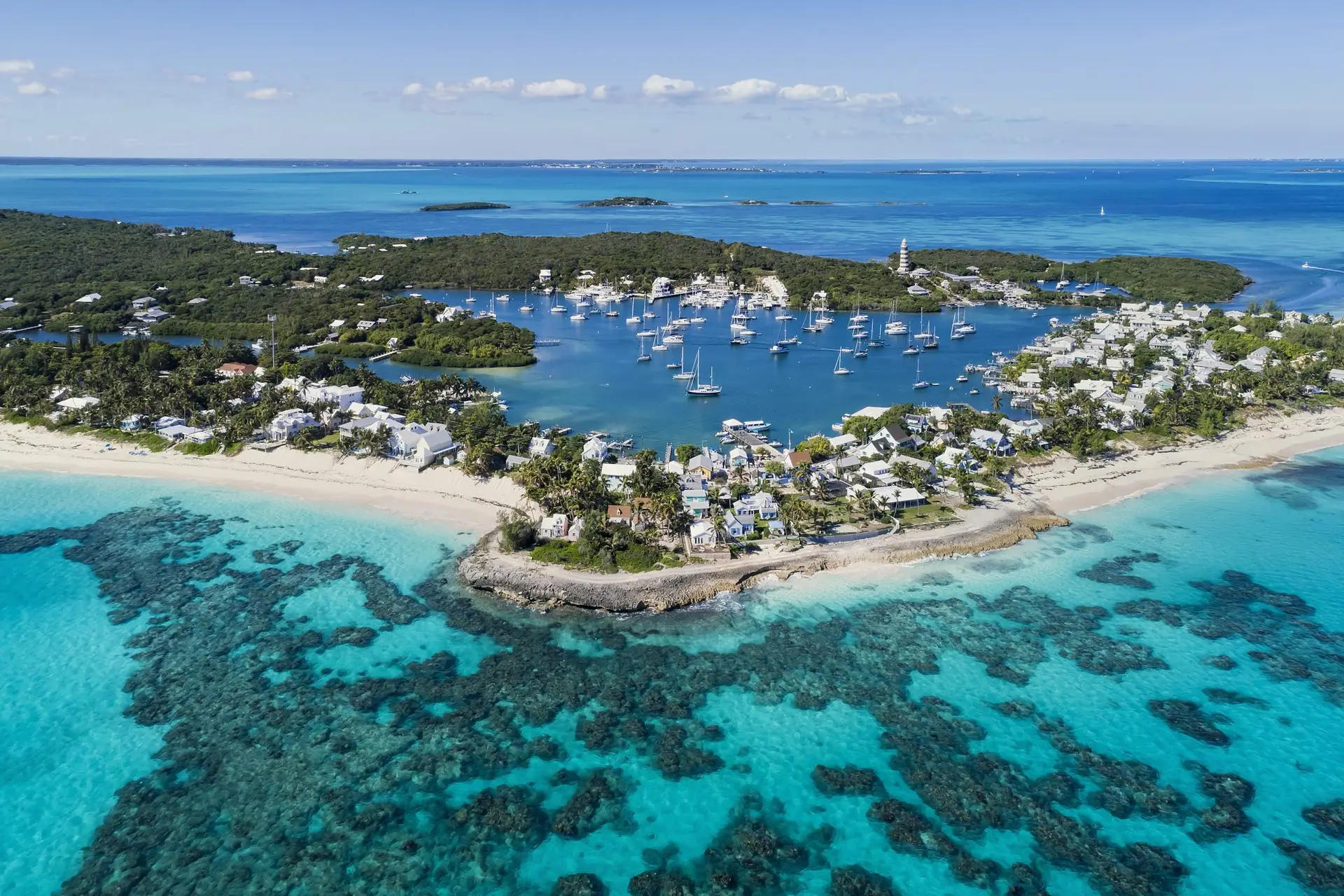
The Bahamas: Zero-Tax Living with Financial Sophistication

The Bahamas imposes no personal income tax, no capital gains tax, and no inheritance tax. While it doesn’t offer citizenship by investment, it does allow permanent residency for those investing $750,000 or more in real estate. Its proximity to the U.S., developed financial sector, and exclusive gated communities make it a favorite for ultra-high-net-worth families seeking tax efficiency without sacrificing lifestyle.

Barbados: Tax Efficiency with Onshore Respectability

Barbados combines low corporate tax (1–5.5%) with strong treaty access and legal infrastructure. It doesn’t offer a citizenship program, but permanent residency is available to property owners. Its high quality of life, international schools, and professional services sector make it especially attractive for those seeking real substance alongside fiscal efficiency.

Antigua & Barbuda: Family-Friendly CBI and Lifestyle Access

Antigua’s citizenship program is one of the most affordable in the world, especially for large families. A donation of $100,000 or a $200,000 real estate purchase qualifies a family of four. The country has no personal income, inheritance, or capital gains tax. It also offers a relaxed lifestyle, English-speaking education, and direct flights to London, New York, and Toronto.

St. Kitts & Nevis: The Gold Standard in Caribbean Citizenship

St. Kitts & Nevis is the birthplace of the citizenship by investment model. It offers one of the fastest, most established programs, with zero personal income, capital gains, or estate tax. Investors can qualify through a $250,000 donation or a $400,000 real estate investment. The Nevis trust system is world-renowned for wealth protection and is used by global family offices and estate planners.

Cayman Islands: Premier Zero-Tax Financial Hub

Cayman is one of the most respected offshore financial centers globally. It offers no direct taxes and unparalleled access to professional services, banks, and legal support. While it doesn’t offer citizenship or CBI, long-term residency is available with a $2.4 million USD property investment. It appeals to investment firms, digital entrepreneurs, and UHNWIs seeking credibility and discretion.

Anguilla: Low-Profile, High-Privacy Residency Option

Anguilla offers a Residency by Investment program starting at just $150,000. It is lesser-known than its neighbors, but attractive to families who value simplicity, safety, and privacy. It is also a British Overseas Territory, which may provide long-term optionality.

St. Lucia: Still Viable, But Losing Ground

St. Lucia still offers a CBI program with options starting at $100,000. But recent increases in pricing and a limited number of quality real estate projects have made it less attractive for wealthier applicants. The country maintains zero inheritance and capital gains taxes, but its competitiveness has diminished compared to more established neighbors.

Structuring the Exit: How to Leave the UK Non-Dom System the Right Way

Establishing Tax Residency Abroad

To successfully leave the UK tax net, families must not only move physically—they must also establish legal, factual, and enduring tax residency abroad. Most jurisdictions require at least 183 days of presence per year. Some offer tax residency certificates or long-term residence permits to solidify one’s new status.

Restructuring Offshore Trusts and Holding Vehicles

UK non-doms have historically used offshore trusts to hold global wealth. But under the new rules, these trusts may become exposed. Families should consider moving trustees to neutral jurisdictions (such as Nevis or Jersey), changing governing law, or redomiciling corporate holding entities. Caribbean trust structures can be used to preserve long-term wealth while staying out of HMRC’s reach.

Managing UK Asset Exposure and Income Flows

Retaining UK assets may continue to attract UK tax. Rental income, dividends, or capital gains from UK-based companies or property will be taxed by HMRC regardless of residency. Families may choose to divest from UK assets, shift income-generating activities abroad, or utilize treaty-based planning where possible. Careful structuring of management fees, royalties, and holding companies is essential.

Building a Coordinated Global Strategy

Exiting the UK requires more than just legal paperwork—it requires coordination across immigration, banking, investment, legal, and tax domains. Families must think through where they live, how they report income, where their trusts are located, and where their assets generate revenue. Advisors in multiple jurisdictions should be engaged to map a fully compliant, long-term plan.

Other Popular Non-Dom Alternatives Outside the Caribbean

While the Caribbean offers some of the most accessible and effective options, other non-dom alternatives continue to attract UK families—especially those looking for EU access, Asian business infrastructure, or Middle Eastern investment opportunities.

United Arab Emirates (UAE): Zero Tax and Global Prestige

The UAE imposes no personal income tax or capital gains tax. With long-term Golden Visas available to investors, property owners, and entrepreneurs, it remains a top destination for HNWIs from the UK and around the world. Dubai in particular has become a hub for crypto investors, private equity professionals, and family offices.

Malta: EU Residency with Remittance-Based Taxation

Malta is one of the last EU countries to offer a remittance basis tax regime. Residents are only taxed on foreign income if it is remitted to Malta. This allows global families to maintain EU presence while legally avoiding tax on most foreign assets. Malta also offers residency and citizenship routes under strict due diligence.

Italy: €100,000 Flat Tax for Foreign Income

Italy’s flat tax regime allows qualifying new residents to pay a flat €100,000 annually on all foreign income. Additional family members can be added for €25,000 each. The regime lasts up to 15 years and offers EU residency along with luxury living in places like Milan, Florence, or Lake Como.

Hong Kong: Territorial Regime for Asia-Based Portfolios

Hong Kong taxes only income sourced within the jurisdiction. Offshore profits, foreign dividends, and capital gains are typically not taxed. For families with Asian investments or business operations, Hong Kong remains a leading low-tax jurisdiction with strong legal and banking systems.

Final Thoughts: From Non-Dom to Global Citizen

The end of the UK non-dom regime represents a turning point—not just for tax policy, but for how global families organize their lives and protect their wealth. For many, it’s a moment of frustration. But for others, it is a strategic opportunity to reassess their jurisdictional footprint and align their structures with long-term goals.

The Caribbean offers more than tax advantages. It offers sovereignty, legal clarity, mobility, and a better quality of life. These are not shortcuts or loopholes. They are sovereign choices—available to those with foresight and the right advisors.

If you are exploring your options as a UK non-dom or advising clients in that position, I can help. My team specializes in cross-border real estate investment, citizenship by investment, offshore trust planning, and tax residency relocation throughout the Caribbean and beyond.

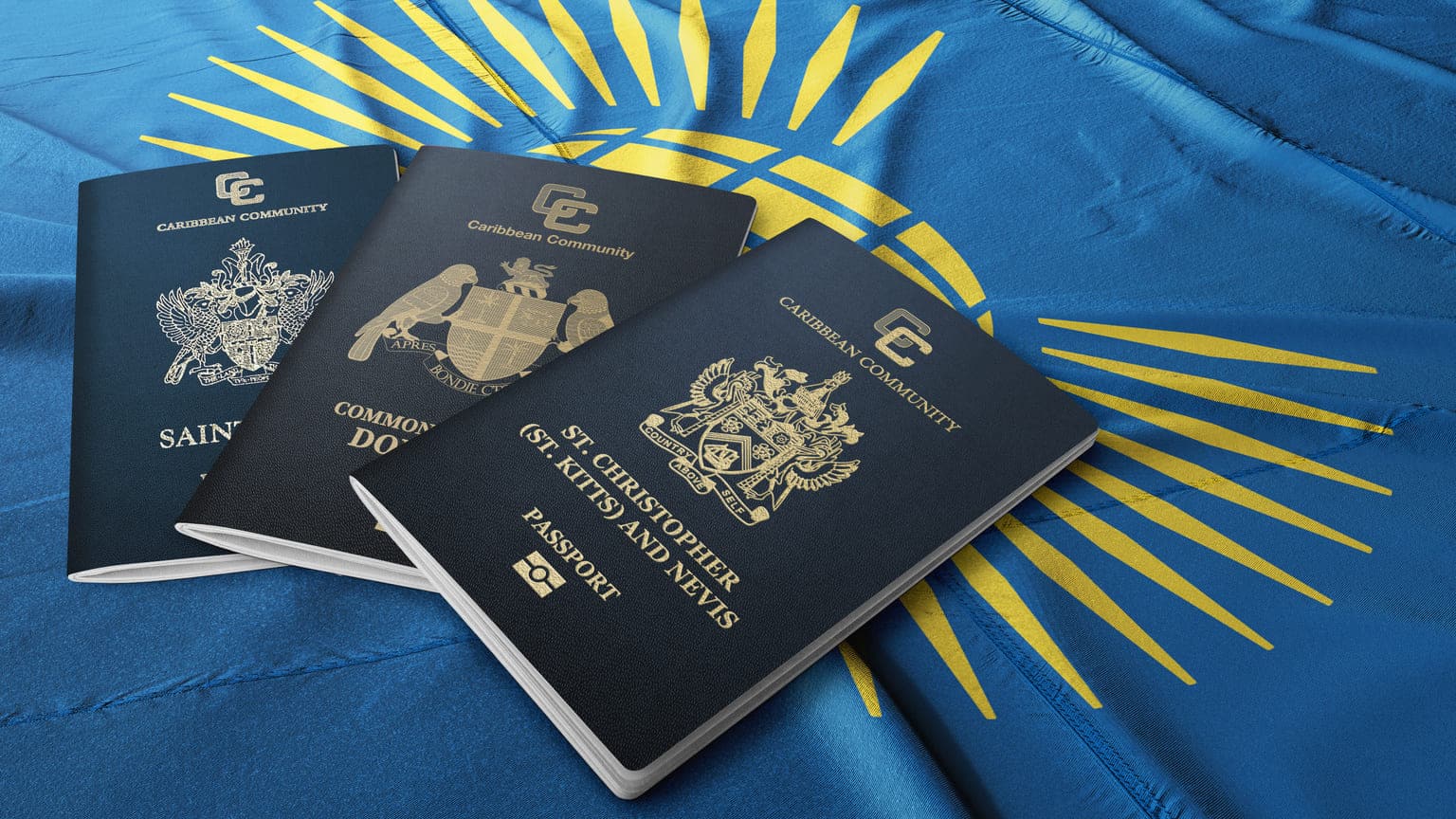
CARICOM Passport: Free Movement, Regional Benefits & CBI Access Explained

Introduction

In an increasingly unpredictable world, the Caribbean stands out as one of the few remaining regions offering genuine stability, safety, and strategic opportunity. As political tension, economic uncertainty, and social unrest grow across Europe, Asia, the Middle East, and even parts of North America, the Caribbean remains largely shielded—characterized by democratic governance, regional cooperation, and geopolitical neutrality.

For globally mobile entrepreneurs, families, and wealth planners, the Caribbean is more than a lifestyle destination. It’s a long-term strategy. It offers second citizenship, tax-efficient residency, and access to real estate, education, and wealth preservation tools—all supported by a regional infrastructure that encourages cross-border movement and economic integration.

One of the key instruments behind this mobility is the CARICOM Passport. Issued by 15 member states within the Caribbean Community, the CARICOM Passport simplifies regional travel, work eligibility, and long-term relocation planning. For investors who secure citizenship through approved programs, it enables seamless access across the Caribbean, with added benefits under frameworks like the OECS and the CARICOM Single Market and Economy (CSME).

As global demand for second citizenship, residency diversification, and offshore flexibility grows, the Caribbean continues to emerge as a high-value, legally sound region for international families seeking resilience, lifestyle, and long-term positioning.

What Is the CARICOM Passport?

The CARICOM Passport is a standardized travel document issued by CARICOM member states to their citizens. It is a tool for regional integration, supporting visa-free or visa-on-arrival travel within 15 participating Caribbean countries. Citizens using this passport benefit from easier movement, reduced border friction, and alignment with regional labor and trade policies.

While the document itself is issued by individual nations, its format and privileges are unified. It includes both the issuing country’s coat of arms and the CARICOM insignia, helping border officials throughout the region instantly recognize the traveler’s status.

Only full citizens of CARICOM member states—either by birth, descent, or naturalization (including via investment)—are eligible. Residents and permit holders are not entitled to the passport or its associated regional privileges.

Benefits of the CARICOM Passport

A Caribbean passport issued by a CARICOM member state goes far beyond basic international travel. It plays a central role in promoting regional unity, enhancing intra-Caribbean mobility, and unlocking cross-border economic opportunity. For global citizens and investors, this document serves as both a symbol of belonging and a practical tool for seamless regional access.

Facilitating Free Movement and Regional Residency

The Caribbean passport allows you to travel, reside, and—in many cases—work across member countries under the CARICOM Single Market and Economy (CSME). Citizens of countries that are also members of the Organization of Eastern Caribbean States (OECS), including Antigua and Barbuda, Dominica, Grenada, St. Lucia, and St. Vincent, enjoy even more robust integration. These passport holders can relocate and establish residency in neighboring OECS countries without needing work permits or extended visa applications.

This free movement of people supports labor mobility, remote relocation, and family settlement, creating powerful options for those seeking long-term Caribbean integration.

Streamlined Regional Travel and Recognition

With a CARICOM passport, travelers benefit from simplified immigration procedures and often expedited lanes when moving between Caribbean countries. The standardized format and shared insignia help immigration officials across the region easily verify citizenship status, making cross-border travel more efficient and predictable.

Economic Participation and Market Access

Beyond movement, the Caribbean passport grants you legal status as a full economic participant. This includes the right to open bank accounts, acquire property, and access public services in other member states. For entrepreneurs, it enables company registration and cross-border operations with fewer licensing hurdles.

Supporting Investment Migration and CBI Benefits

For investors who gain citizenship through one of the region’s five CBI programs, the passport comes with even broader advantages. These include visa-free or visa-on-arrival access to over 140 countries worldwide, and the right to relocate within CARICOM and OECS without additional administrative burdens.

Reinforcing Legal Stability and Long-Term Security

Perhaps most importantly, a Caribbean passport connects you to a legally sound, English-speaking, politically stable region that adheres to democratic norms and rule of law. Most member states maintain independent judicial systems, stable currency regimes, and favorable legal protections for personal and business assets.

Key Benefits at a Glance:

  • Live and work in up to 15 CARICOM member states under the CSME framework

  • Permit-free relocation across OECS countries for deeper regional integration

  • Simplified border entry and faster processing within the Caribbean

  • Legal access to real estate markets, business infrastructure, and local services

  • Global visa-free travel (140–150+ countries) combined with regional economic rights

Building a Platform for Global Flexibility

Whether you are relocating your family, repositioning your assets, or simply diversifying your citizenship profile, a Caribbean passport offers more than symbolic value. It’s a vehicle for real freedom—one that unlocks regional access, long-term legal security, and strategic jurisdictional flexibility in a world where those qualities are increasingly rare.

CARICOM and OECS Free Movement Privileges

Understanding the free movement frameworks within the Caribbean is essential for anyone considering citizenship, residency, or investment in the region. While the CARICOM Passport is the entry point, the real value lies in the legal rights granted under two key regional agreements: the CARICOM Single Market and Economy (CSME) and the Organisation of Eastern Caribbean States (OECS).

Free Movement Under CARICOM

The CARICOM Single Market and Economy (CSME) allows qualified citizens of CARICOM member states to travel, reside, and work in other participating member states without the need for a traditional work visa. To do this, individuals must apply for a Certificate of Recognition of CARICOM Skills, which enables:

  • The right to seek and accept employment in another CARICOM country

  • Equal treatment under labor laws and workplace protections

  • Permission to relocate with eligible dependents

  • Access to basic services like healthcare and education in many host states

Implementation varies by country, and documentation requirements still apply.

Automatic Mobility Within the OECS

The Organisation of Eastern Caribbean States (OECS) goes further. Citizens of OECS countries (Antigua, Dominica, Grenada, St. Lucia, St. Vincent, Montserrat, St. Kitts) enjoy immediate and unrestricted rights to live, work, and establish residence in any other full member—no visa, permit, or skills certificate required.

Why This Matters for Investors

For CBI participants, OECS citizenship provides practical, multi-jurisdictional access. You can gain citizenship in one country, then legally reside and operate across six or more member states with no extra filings or delays. That kind of structural flexibility is rare—and extremely valuable.

Citizenship by Investment (CBI) Programs

The Caribbean offers five well-established Citizenship by Investment (CBI) programs that grant full legal citizenship and regional travel privileges. These programs are among the most efficient and respected in the world, offering direct access to second citizenship within three to six months.

St. Kitts and Nevis

St. Kitts and Nevis is home to the world’s first Citizenship by Investment program, established in 1984. Its longevity and reputation make it one of the most respected CBI offerings globally. With a $250,000 contribution to the Sustainable Island State Contribution (SISC) or a $400,000 real estate investment, applicants gain full citizenship in as little as 4–6 months.

More than just a passport, St. Kitts and Nevis offers one of the most livable environments in the Caribbean. Nevis, in particular, stands out for its high-end appeal and natural beauty. It’s home to Four Seasons Nevis—arguably the premier master-planned community in the Eastern Caribbean—featuring beachfront villas, luxury real estate, and one of the region’s most refined resort lifestyles. For investors seeking both security and a desirable second home, this market leads the pack.

Antigua and Barbuda

Antigua and Barbuda offers one of the most accessible family-focused CBI programs in the region, with updated pricing that includes a $230,000 donation to the National Development Fund (including processing fees) or $300,000 for a qualifying real estate investment. These options make it especially attractive for larger families looking for a cost-effective second citizenship route.

However, the country has a relatively limited inventory of CBI-approved real estate projects, which may affect resale and long-term value for property investors. Still, Antigua is an OECS member with strong regional access, and the twin-island state boasts excellent yachting infrastructure, international schools, and solid airlift to North America and Europe.

St. Lucia

St. Lucia offers a modern and flexible CBI program, with pricing starting at $240,000 (inclusive of government fees) for a single applicant via donation. Investors may also choose a $300,000 real estate option or invest in National Action Bonds starting at $300,000 (refundable after five years). The program typically delivers citizenship in 3–5 months and maintains a transparent and well-regulated due diligence process.

As a member of both CARICOM and OECS, St. Lucia offers strong mobility across the region. The island’s natural beauty, developing infrastructure, and expanding luxury real estate sector make it a growing favorite among investors looking for balance between accessibility and long-term upside.

Dominica

Dominica has earned a reputation as one of the most cost-effective and integrity-driven CBI programs in the Caribbean. Citizenship can be secured through a $100,000 donation or a $200,000 real estate investment, with processing timelines averaging 3–5 months.

But beyond the passport, Dominica is increasingly viewed as a frontier market on the rise. It offers exceptional opportunities for land banking, especially in large private estates, eco-lodges, and beachfront parcels. Though development is still catching up to more mature markets like St. Kitts and Antigua, investor interest is growing—and the island’s low-density, nature-rich landscape positions it well for sustainable luxury. This is one of the few places where you can still acquire prime coastal land under $2 per square foot.

Grenada

Grenada is often seen as one of the most strategic second passport jurisdictions due to its E-2 Treaty with the United States, allowing citizens to apply for a U.S. investor visa. Investors may obtain citizenship through a $150,000 donation or $220,000 in government-approved real estate.

The island also has an increasingly active real estate development scene, with boutique hotel projects, resort communities, and private villas on the rise. Grenada’s natural harbor, university sector, and connections to China and the U.S. give it a well-rounded economic profile, making it one of the most investment-ready destinations for Caribbean property development and long-term lifestyle planning.

Residency by Investment: British Overseas Territories (BOTs)

Anguilla

Anguilla offers residency via a $150,000 donation or $750,000 real estate investment, alongside a unique flat tax residency program that allows ultra-high-net-worth individuals to establish legal tax residency for $75,000 per year. This option is particularly attractive for clients seeking simplicity, privacy, and stability in a low-tax jurisdiction. Anguilla imposes no income, capital gains, or inheritance tax, making it one of the most efficient destinations for wealth preservation in the Caribbean. As a British Overseas Territory, it provides legal certainty under UK common law, and its boutique real estate market offers exclusivity without the density or pace of more developed jurisdictions.

Bermuda

Bermuda requires a $2.5 million investment for residency, typically in local real estate or economic development projects. While the territory does not currently provide a path to citizenship, it remains one of the most sophisticated offshore jurisdictions globally. With its highly regarded legal and financial systems, low crime rate, and polished infrastructure, Bermuda is ideal for individuals seeking a discreet and refined relocation option. It’s particularly suited for family offices, insurance executives, and professionals who value quality of life and institutional-grade stability over tax arbitrage.

Cayman Islands

The Cayman Islands offer long-term residency (up to 25 years) through a $1.2 million investment in developed real estate. Cayman is renowned for its zero-tax environment, high-end infrastructure, and business-friendly government. It is especially favored by hedge fund managers, crypto entrepreneurs, and international financiers looking for a safe, regulated jurisdiction with deep banking ties. While the residency does not convert into citizenship, the territory’s reputation, safety, and network of global service providers make it a leading choice for serious offshore structuring and lifestyle relocation.

Turks and Caicos

Turks and Caicos offers permanent residency via a $300,000 investment in real estate, with higher thresholds depending on property location. While BOTC and UK citizenship require long-term physical presence and naturalization, TCI’s luxury property market is thriving. With growing demand for marina access, resort developments, and residential communities, this territory is fast becoming one of the most sought-after lifestyle bases in the region. Investors benefit from a tax-neutral regime, white-sand beaches, and an English-speaking population—all under the legal framework of the United Kingdom.

Montserrat

Montserrat remains one of the most affordable and underdeveloped British Overseas Territories. It offers low-cost retiree residency and a clear path to BOTC citizenship after 10 years of legal residence. As a member of the OECS, eventual citizens also gain enhanced regional mobility. The island has untapped potential for eco-lodge development, agricultural land use, and boutique hospitality. For forward-thinking investors seeking a first-mover advantage in a slow-developing market, Montserrat is an intriguing option—quiet, stable, and full of long-term opportunity.

Residency by Investment: Independent Caribbean Nations

The Bahamas

The Bahamas offers one of the most robust and straightforward residency options in the region. Permanent residency is available to individuals who invest $750,000 or more in residential real estate. The country imposes no personal income tax, capital gains tax, or inheritance tax, making it a top-tier destination for wealth protection. Its close proximity to the United States and access to major international financial institutions further enhance its appeal.

Barbados

Barbados grants residency through special entry permits to high-net-worth individuals who invest in the local economy, most commonly through real estate or significant financial assets. The minimum investment threshold is typically $300,000, though requirements can vary. Particularly popular among Canadian and British investors, Barbados offers strong legal protections, a world-class treaty network, and direct flights to Toronto and London.

St. Vincent and the Grenadines

St. Vincent offers low-cost, low-visibility residency options, especially suited for retirees and independent professionals. While a Citizenship by Investment program has not yet been launched, there are ongoing rumors of future legislation. The country consists of 32 islands, including Mustique and Canouan, and is viewed by many as a well-situated frontier market with long-term development potential.

Conclusion

The Caribbean has evolved into far more than a seasonal escape or second-home market. For investors, entrepreneurs, and global citizens, it offers a highly strategic blend of freedom, mobility, and security. Whether you’re pursuing a second passport through a respected CBI program or seeking tax residency in a quiet British Overseas Territory, the region delivers powerful tools for personal and financial resilience.

What sets the Caribbean apart is the diversity of options within a compact geographic region. You can hold citizenship in an OECS country and own property across multiple islands. You can maintain tax residency in Anguilla while investing in development land in Dominica. You can build a long-term succession plan, giving your family global mobility and multi-jurisdictional access with minimal bureaucracy.

As the world becomes more volatile, the benefits of mobility, flexibility, and legal stability are no longer luxuries—they are necessities. The Caribbean offers these in a structure that is accessible, efficient, and internationally recognized. If you’re planning for the next decade—not just the next visa stamp—there is no better region to build from.

Medical Tourism Investment: Unlocking Profitable Opportunities in the Caribbean Healthcare Market

Medical tourism investment is rapidly transforming the global healthcare landscape, offering lucrative opportunities for investors and governments alike. As more patients seek affordable, high-quality medical care abroad, the demand for advanced facilities and specialized services continues to soar. This growing trend is reshaping economies while bridging gaps in healthcare accessibility worldwide.

You’re stepping into a sector fueled by innovation, competitive pricing, and a desire for better patient experiences. From state-of-the-art hospitals to wellness retreats, the possibilities for creating value are endless. Countries with strong infrastructure and skilled professionals are emerging as key players, driving both economic growth and international recognition.

Understanding the dynamics of medical tourism is crucial for making informed decisions. By aligning with market trends and patient needs, you can unlock significant returns while contributing to global healthcare progress. It’s a unique opportunity to merge profit with purpose in a thriving industry.

Caribbean Real Estate: Investment in the Medical Tourism Sector

Introduction to Medical Tourism

Medical tourism is transforming global healthcare investing, and the Caribbean has become a prominent destination in this dynamic sector. Offering quality healthcare facilities alongside tropical environments, the region attracts both patients and investors seeking innovative opportunities.

Investment potential in the Caribbean is driven by an increasing number of medical travelers who combine treatment with vacationing. This growth aligns with market trends favoring regions that leverage real estate development to enhance healthcare infrastructure.

Growing Demand for Healthcare Services in the Caribbean

The demand for healthcare services in the Caribbean is rising due to cost-effective options and access to skilled professionals. Countries like the Cayman Islands have gained recognition for advanced medical care, such as specialized treatments and state-of-the-art healthcare facilities.

Market trends predict continued growth in the sector as governments and private investors prioritize expanding medical capacities. Healthcare services in the region also cater to aging populations globally, further solidifying its appeal.

Role of Real Estate in Supporting Medical Tourism

Real estate development plays a pivotal role in advancing medical tourism in the Caribbean. Modern facilities, including hospitals, recovery centers, and wellness resorts, elevate the overall patient experience while boosting investor returns.

The Cayman Islands exemplify this potential, with purpose-built infrastructure catering to medical travelers. Investments in real estate are meeting rising demand and enhancing the region’s reputation as a healthcare hub.

Case Study: Cayman Islands

The Cayman Islands have become a prominent hub for medical tourism, blending advanced healthcare facilities with strategic investment opportunities. Its reputation for providing top-tier medical care attracts patients and investors alike, positioning it as a leading destination in the Caribbean’s expanding healthcare sector.

Success of Health City Cayman Islands

Health City Cayman Islands exemplifies the region’s success in medical tourism. This state-of-the-art facility provides specialized services, including cardiology, oncology, and orthopedics, attracting international patients seeking quality treatment at competitive costs. Its high-standard medical infrastructure meets global healthcare benchmarks, combining affordability with expertise.

Since its establishment, Health City has also contributed to the local economy. By drawing patients and fostering real estate development around its operations, it showcases the economic ripple effects of investing in world-class healthcare facilities. The hospital’s focus on patient-centered care and international accreditations highlights the Cayman Islands’ potential as a model for medical tourism investment.

Key Lessons for Investors

Investing in healthcare facilities in the Cayman Islands offers substantial returns due to growing demand for advanced Cayman medical treatment. The region’s favorable regulatory environment, coupled with its reputation for excellence, supports long-term investor confidence. Aligning investments with market trends, such as aging populations and demand for specialized care, further enhances profitability.

Real estate development near healthcare hubs like Health City creates additional income opportunities. Establishing upscale accommodations or wellness centers for patients and families can maximize investment potential. By prioritizing infrastructure and targeting key patient demographics, you can tap into the Cayman Islands’ expanding medical tourism market with confidence and foresight.

Investment Opportunities

Investment opportunities in the Caribbean medical tourism sector continue to expand, fueled by demand for high-quality healthcare facilities and innovative services. Countries like the Cayman Islands exemplify the investment potential within this niche, showcasing how aligning with market trends benefits both investors and local economies.

Developing Hospitals and Wellness Centers

Establishing hospitals and wellness centers within the Caribbean creates opportunities to meet the rising international demand for affordable, high-standard medical services. Specialized facilities offering treatments like cardiology, oncology, and orthopedics tap into a growing market segment. For example, Health City Cayman Islands exemplifies the success of such ventures, attracting global patients with state-of-the-art medical infrastructure.

Investing in medical facilities ensures long-term returns, as high-quality healthcare remains a consistently sought-after service. Incorporating holistic wellness services such as rehabilitation and preventive care maximizes market reach. Aligning development projects with local regulations and fostering partnerships with established healthcare providers enhances the viability of these investments.

Hospitality and Healthcare Integration

The integration of hospitality services with healthcare infrastructure creates a seamless patient experience while opening new revenue streams. Premium accommodations near healthcare hubs such as Health City Cayman Islands cater to medical tourists seeking convenience and comfort during recovery. Incorporating wellness-focused real estate developments, like luxury apartments and resort-style lodging, strengthens the sector’s appeal.

Investment in this integration also capitalizes on market trends favoring enhanced patient experiences. Upscale recovery environments, personalized care packages, and proximity to healthcare facilities distinguish your offerings from competitors. This synergy between hospitality and healthcare not only boosts profitability but also enhances regional reputation, driving broader medical tourism activity.

Market Trends and Benefits

Medical tourism investment demonstrates significant growth, creating opportunities for investors to capitalize on market trends and the increasing demand for advanced healthcare facilities. Leveraging regions like the Caribbean, particularly the Cayman Islands, aligns investments with evolving patient needs and economic benefits.

Increasing Demand for Specialized Services

Patients increasingly seek specialized healthcare services, driven by affordability and quality care options abroad. Areas like cardiology, oncology, and orthopedics experience higher demand, making investments in such specialties lucrative. In the Cayman Islands, Health City exemplifies this trend by offering world-class services that attract patients globally.

Investing in facilities that provide advanced diagnostics or niche care fulfills a critical market gap. With aging populations and chronic disease prevalence rising, creating centers focusing on wellness and rehabilitation further enhances investment potential. Offering personalized services, such as post-operative care in tropical destinations, broadens the appeal to medical tourists pursuing holistic treatment solutions.

Boosting Local Economies and Infrastructure

Medical tourism fosters economic growth by driving real estate development and improving local infrastructure. Successful healthcare hubs, such as Health City Cayman Islands, spark secondary industries like luxury accommodations, dining, and transportation, boosting the local economy by generating employment and encouraging urban development.

Hospital investments paired with wellness centers increase regional competitiveness. The Cayman Islands leverage their regulatory environment and quality healthcare facilities to attract foreign direct investment. This creates a cycle where advanced medical services benefit from modernized infrastructure, enhancing patient experiences while unlocking long-term revenue opportunities for stakeholders.

Why Medical Tourism is a Strategic Investment in the Caribbean

Caribbean medical tourism represents a high-growth investment market, driven by its competitive healthcare facilities and services. With advanced infrastructure and skilled medical professionals, the region attracts global patients seeking affordable, high-quality care. The area’s tropical appeal and proximity to North and South America further boost its competitiveness as an investment destination in this sector.

Healthcare Facilities as Pillars for Investment

Healthcare facilities in the Caribbean combine cutting-edge technology with cost-effective treatment options. Facilities like Health City in the Cayman Islands set benchmarks for excellence, offering specialized services in cardiology, oncology, and orthopedics. Investments in such hospitals provide access to a solid foundation of high-standard infrastructure and care, meeting the demand for international medical tourism.

Investment Potential in a Growing Market

The Caribbean’s medical tourism growth opens significant investment potential. Rising healthcare demands, favorable regulations, and untapped markets make the region attractive for investors worldwide. Expansion of medical hubs like Health City continues to demonstrate the financial viability of healthcare investments, with their integration of competitive pricing and specialized treatment.

Real Estate Development and Secondary Revenue

Real estate development complements medical tourism investments in the Caribbean. Hospitals and wellness hubs generate secondary revenue streams through adjacent lodging and recovery-focused accommodations. In the Cayman Islands, luxury real estate near major healthcare hubs provides convenience for international patients, creating opportunities to align properties with growing market trends.

Market Trends Driving Sustained Growth

The region’s market trends include increasing demand for specialized services like cancer treatments and orthopedic procedures. Cayman medical treatment facilities are uniquely positioned to address these needs, offering advanced care while keeping prices competitive. Investors aligning with these trends can capitalize on the growing influx of medical tourists, who prioritize quality over cost alone.

Strategically placed healthcare and real estate projects in the Caribbean connect high patient volumes with long-term profitability, setting this region apart in the global medical tourism landscape.

Conclusion

Investing in medical tourism offers you a unique opportunity to tap into a rapidly expanding global market. The Caribbean, with its advanced healthcare facilities and growing reputation, stands out as a prime destination for profitable ventures. By aligning your investments with patient needs and market trends, you can unlock substantial returns while contributing to the region’s economic growth.

Whether it’s developing state-of-the-art hospitals or integrating wellness and hospitality services, the potential for success in this sector is immense. With its favorable regulatory environment and increasing demand for specialized care, the Caribbean medical tourism market positions you to thrive in a competitive, high-growth industry.


Offshore Wealth Management: Ultimate Guide to Secure and Grow Your Assets Internationally

Managing your wealth effectively can feel overwhelming, especially when you’re looking to diversify and protect your assets. Offshore wealth management offers a strategic way to grow your financial portfolio while taking advantage of global opportunities. By exploring offshore solutions, you can achieve greater financial security and flexibility.

With the right approach, offshore wealth management helps you minimize risks, optimize taxes, and access exclusive investment opportunities. It’s not just for the ultra-wealthy—many individuals and businesses turn to offshore strategies to safeguard their assets and plan for the future. The key is understanding how these solutions align with your financial goals.

Whether you’re seeking privacy, asset protection, or international investment options, offshore wealth management opens doors to possibilities you might not find domestically. It’s about taking control of your finances on a global scale, ensuring your wealth works for you in the most efficient way possible.

Caribbean Wealth Management: Comprehensive Guide

Wealth management in the Caribbean combines unique financial solutions with a well-regulated environment. Its reputation for asset protection and offshore banking attracts investors seeking tax-efficient investing options.

Introduction to Wealth Management in the Caribbean

The Caribbean offers a diverse range of offshore wealth management options. These include offshore banking services, tailored wealth planning strategies, and access to exclusive global investment opportunities. The region’s financial hubs, such as the Cayman Islands, Bermuda, and the Bahamas, are regulated by international standards, ensuring secure and trustworthy services.

The Caribbean’s wealth management sector provides services designed to diversify assets and protect against market uncertainties. For instance, clients can open multi-currency accounts, leverage trust structures, or create international business companies (IBCs) for streamlined management. By using these tools, you enhance privacy and protect your assets in a tax-efficient way.

Why the Caribbean is a Top Destination for Wealth Management

The Caribbean is known for its favorable tax regimes and robust regulatory frameworks. Financial jurisdictions like the British Virgin Islands (BVI) and Barbados attract individuals and businesses through their tax-efficient investing opportunities and simplified corporate structures. Many of the jurisdictions have tax treaties and legal frameworks that ensure compliance with global standards.

Offshore banking institutions in the region offer specialized wealth planning strategies tailored to your financial goals. These banks maintain client confidentiality while ensuring services comply with anti-money laundering (AML) and know-your-customer (KYC) protocols. The combination of investor-friendly environments and international regulatory compliance makes the Caribbean a top choice for offshore wealth management.

Key Benefits of Offshore Wealth Management

By managing wealth offshore in the Caribbean, you gain access to advanced asset protection strategies. Offshore trusts, foundations, and IBCs safeguard assets from creditor claims and economic instability. These structures also facilitate smooth succession planning.

Tax-efficient investing is another key benefit. Caribbean jurisdictions provide opportunities to reduce tax exposure on international income. For example, regional structures often enable capital gains to grow tax-free depending on your jurisdiction of residence.

Offshore banking in the Caribbean enhances financial flexibility. Institutions offer services like multicurrency banking, international loans, and access to global markets, enabling diversified investment options. Combined with professional wealth planning strategies, these advantages create long-term financial stability.

Strategies for Asset Protection

Asset protection within offshore wealth management involves structured approaches to safeguard your wealth from unforeseen liabilities while maintaining financial growth.

Setting Up Offshore Trusts and Foundations

Offshore trusts and foundations serve as flexible tools for managing and protecting assets. Trusts allow you to transfer ownership of assets to a trustee. These entities manage funds according to the trust agreement, ensuring long-term protection and efficient distribution. Foundations, often used in civil law jurisdictions, provide control similar to a trust but with distinct legal ownership.

Structured properly, offshore trusts and foundations ensure confidentiality and shield assets from creditors. Jurisdictions like the Cayman Islands and Bermuda offer advanced legal frameworks to uphold the integrity of these structures. When combined with wealth planning strategies, these options allow customized asset distribution while optimizing tax efficiency.

Securing Assets Through Diversified Investments

Diversifying your investment portfolio reduces risks and secures assets in fluctuating economic conditions. Offshore investing provides access to global opportunities, including private equity, real estate, and international markets. Placing funds in multiple asset classes across countries enhances stability and shields holdings from localized financial downturns.

Jurisdictions hosting offshore banking services like multicurrency investments and international bonds enable diversified portfolios. Maximizing these investments aligns with asset protection goals while enhancing long-term growth. Always ensure diversified strategies remain compliant with tax-efficient investing practices.

Legal Frameworks for Asset Protection in the Caribbean

Caribbean jurisdictions implement robust and investor-friendly legal systems designed to protect assets. These frameworks include stringent regulations for setting up offshore entities, ensuring the safety and confidentiality of wealth management structures. Laws in destinations like Bermuda establish creditor protection clauses guarding assets held under trusts or other legal setups.

By utilizing these frameworks, you’ll optimize tax-efficient investing while mitigating risks. Caribbean nations pair these legal advantages with favorable tax regimes, making the region a hub for wealth planning strategies. Integrating jurisdiction-specific laws strengthens your financial security through expert wealth management solutions.

Tax-Efficient Investing in the Caribbean

The Caribbean offers a unique combination of favorable tax regimes and robust financial frameworks, making it a prime destination for tax-efficient investing. By leveraging its wealth planning strategies, you can optimize your financial portfolio while ensuring asset protection.

Leveraging Tax Treaties and Incentives

Caribbean jurisdictions provide access to tax treaties and incentives that support tax-efficient investing. Treaties with countries in Europe, Asia, and North America often eliminate double taxation, reducing your overall tax liability. Incentives like corporate tax holidays and reduced income tax rates are widely available in regions such as the Cayman Islands and the British Virgin Islands.

Using these treaties ensures compliance with international laws while optimizing tax conditions. For example, the Bahamas offers no capital gains or income taxes, making it an attractive location for placing diversified assets. These benefits allow you to align your offshore banking strategies with broader wealth planning goals to maximize returns.

Structuring Investments for Optimal Tax Benefits

Structuring investments effectively helps you reduce unnecessary tax burdens while adhering to legal frameworks. Tools like offshore trusts, private investment companies, and foundations provide flexibility in managing assets while optimizing taxes. Offshore banking solutions, such as multi-currency accounts, allow investments to benefit from currency diversification and reduced foreign exchange risks.

By aligning your investments with jurisdiction-specific tax provisions, you can achieve higher tax efficiency. For instance, private investment structures in Bermuda let you consolidate global income streams under minimal tax exposure, ensuring long-term financial growth.

Popular Jurisdictions for Tax Efficiency

Jurisdictions like the Cayman Islands, the Bahamas, and Bermuda stand out as leaders in tax-efficient investing. The Cayman Islands offers zero direct taxes, including no corporate, income, or capital gains taxes, making it a preferred destination for high-net-worth individuals and businesses. The Bahamas combines no personal income or inheritance taxes with a well-established regulatory system to attract global investors.

Bermuda provides exemptions on taxes for non-residents while ensuring compliance with international financial standards. Whether you’re focused on asset protection or leveraging exclusive offshore investment opportunities, these jurisdictions deliver financial solutions that enhance your wealth planning strategies.

Offshore Banking Options

Offshore banking offers access to secure, tax-efficient, and internationally diversified financial solutions. In the Caribbean, it’s a cornerstone of wealth planning strategies, combining asset protection with global investment flexibility.

Key Features of Offshore Banking in the Caribbean

Offshore banking in the Caribbean provides financial privacy, tax advantages, and global access. Banks in jurisdictions like the Cayman Islands and The Bahamas maintain client confidentiality while adhering to robust regulatory standards.

Caribbean offshore banks offer multicurrency accounts, enabling transactions in USD, EUR, and GBP, among others, supporting international business and investment needs. Access to international financial markets allows you to diversify holdings geographically. These banks also offer tailored services, including wealth management plans and private banking solutions, aligning with your financial objectives.

Stringent legal frameworks in Caribbean jurisdictions enhance asset protection. Banks follow anti-money laundering (AML) regulations, ensuring financial security. This regulated environment supports long-term tax-efficient investing while safeguarding your assets.

Top Destinations for Offshore Banking: Cayman Islands, The Bahamas, and Panama

The Cayman Islands offers world-class offshore banking services. With zero direct taxes, it supports tax-efficient investing for businesses and individuals. Cayman banks provide flexible wealth planning solutions, including trust management and financial advisory services.

The Bahamas is another top destination, offering regulatory compliance and financial stability. Bahamian offshore banks support asset protection and provide services like multicurrency accounts and investment advisory.

Panama combines strong banking secrecy laws and a US dollar-based economy. Offshore banks in Panama focus on tax efficiency and privacy, offering services like corporate account management and fixed-term deposits for global investors.

Choosing the Right Offshore Bank for Your Needs

Selecting an offshore bank depends on your financial goals, risk tolerance, and preferred jurisdictions. Consider whether the institution offers all key features, such as multicurrency accounts and legal compliance, that align with your wealth planning strategies.

Evaluate the bank’s reputation and expertise in offshore banking. Established institutions in the Caribbean, such as those in Bermuda or the Cayman Islands, often provide tailored tax-efficient investing solutions. Confirm their customer support, including online banking capabilities, to ensure seamless access to your accounts.

Assess the legal and tax frameworks of potential jurisdictions. For example, the Cayman Islands suits high-net-worth individuals seeking asset protection, while Panama is attractive for privacy-focused investors. Using these criteria helps you identify a reliable partner for safeguarding and growing your wealth.

Working with Wealth Management Professionals

Partnering with experienced wealth management professionals is essential for effective offshore wealth strategies. They offer expertise in asset protection, tax-efficient investing, and other financial components to ensure your portfolio’s growth and security.

Selecting the Best Wealth Management Firm

Evaluating expertise and services ensures you choose a firm aligned with your financial objectives. Look for firms specializing in offshore banking, asset protection, and international wealth planning strategies. Review their history of managing cross-border investments and their track record in handling complex financial portfolios.

Assess transparency in communication. Reputable firms provide detailed insights into strategies, legal compliance, and risk management. Examine whether they have connections with global financial institutions or access to exclusive investments for diversified portfolio growth. Consider firms with a strong presence in regulated jurisdictions, like the Cayman Islands or The Bahamas, for secure and tax-efficient investing.

Importance of Customized Financial Planning

Tailored financial plans help align wealth strategies with your objectives. Professionals analyze your financial situation and recommend structures like offshore trusts or foundations for asset protection. These solutions personalize asset distribution while maintaining confidentiality.

Customized approaches enhance tax-efficient investing. Wealth managers assess international tax treaties and jurisdictional benefits to minimize tax liabilities. By focusing on your risk tolerance and long-term goals, they create investment portfolios with a balanced mix of offshore banking options, global securities, and alternative assets for consistent growth.

Collaborating with Tax Advisors and Legal Experts

Integrating tax advisors and legal professionals strengthens your offshore strategy. These experts ensure compliance with local and international regulations, helping you mitigate risks and maximize tax efficiency. They provide guidance on navigating tax treaties and legal structures effectively.

Coordination safeguards your assets. Legal advisors design trusts, foundations, or corporate structures to optimize asset protection and maintain privacy. Tax experts craft strategies like deferring taxable events or reallocating investments to enhance post-tax returns. Collaboration between wealth managers, tax advisors, and legal experts fortifies your overall wealth planning strategies.

Conclusion

Offshore wealth management offers you a powerful way to protect, grow, and diversify your assets while accessing exclusive financial opportunities. By leveraging the expertise of skilled professionals and aligning strategies with your unique financial goals, you can unlock the full potential of offshore solutions.

Whether you’re exploring asset protection through offshore trusts or seeking tax-efficient investments in regions like the Caribbean, the right approach can provide you with flexibility and long-term security. With proper planning and guidance, you can confidently navigate the complexities of offshore wealth management and achieve greater financial stability.

Barbados Residency by Investment: Your Guide to Living in Paradise

Dreaming of living in a tropical paradise? Barbados residency by investment offers you the chance to call this stunning Caribbean island home. With its pristine beaches, vibrant culture, and favorable tax benefits, Barbados has become a sought-after destination for individuals and families looking to combine luxury living with smart financial planning.

By investing in Barbados, you’re not just securing residency—you’re gaining access to a stable economy, excellent infrastructure, and a welcoming community. Whether you’re drawn by the island’s relaxed lifestyle or its growing opportunities for business and investment, Barbados provides the perfect balance of work and play.

This program is ideal if you’re seeking a straightforward path to residency while enjoying the perks of a world-class destination. From real estate investments to government-approved options, Barbados offers flexible pathways tailored to your goals. It’s time to turn your dream of island living into reality.

How to Obtain Barbados Residency by Investment: A Comprehensive Guide

Barbados offers attractive opportunities for individuals seeking residency through investment. From structured investment programs to leveraging regional agreements, the process is both strategic and rewarding.

What is the Barbados SERP Program?

The Barbados Special Entry and Reside Permit (SERP) program allows qualifying individuals to obtain residency by investment. By meeting financial eligibility criteria, you can secure your right to reside on the island.

  • Eligibility Requirements: Individuals with a net worth of at least $5 million qualify for SERP. Proof of financial resources is mandatory.
  • Application Process: You need to submit an application with verification documents, including proof of net worth, identity documents, and fees. Processing times vary but are efficient compared to similar programs.

SERP grants you extended residency validity without requiring physical presence on the island. If you’re interested in maintaining global mobility with a Caribbean base, this is a viable route.


Key Benefits of Residency in Barbados for Investors

Investing in Barbados residency provides numerous financial and personal advantages.

  • Tax Incentives: Barbados offers favorable tax rates. There’s no inheritance tax or capital gains tax, further increasing its appeal.
  • Global Networks: Access to CARICOM allows you to connect with other regional markets. The CARICOM passport, obtainable through citizenship in one of five member states, enables smooth travel and business expansion.
  • Lifestyle Benefits: High living standards, world-class education, and healthcare are key perks. You’ll experience stable governance and a welcoming environment.

Residency ensures your family benefits from secure, long-term living conditions while offering strategic advantages for business operations.

Why Choose Barbados as Your Investment Destination

Barbados combines economic potential with an unparalleled lifestyle, making it a leading investment destination in the Caribbean.

  • Access to Regional Mobility: Acquiring citizenship in a CARICOM member state, such as St. Kitts, Antigua, or Dominica, offers you a CARICOM passport. With this, you can leverage the skills certificate or rights of establishment for residency in Barbados.
  • Strong Economy: The island’s diversified economy, with thriving tourism, international business, and financial services sectors, ensures stability for investors.
  • Quality of Life: Beaches, vibrant culture, and year-round tropical climate make Barbados attractive for families and retirees.

Barbados provides a pathway to residency filled with benefits and opportunities for growth, whether through the SERP program or regional strategies.

Investment Pathways to Residency in Barbados

Securing Barbados residency through investment combines lifestyle benefits with financial opportunities. Multiple pathways allow investors to align with their goals while fulfilling Barbados residency requirements.

Top Investment Routes: Real Estate, Business, and Beyond

Real estate investments are the most prominent route to obtaining Barbados residency. By purchasing high-value properties, you can fulfill the criteria for residency applications. Upscale beachfront homes and luxury apartments are favored options, drawing buyers seeking access to the island’s premier locations.

Business investments also unlock residency opportunities. Establishing or significantly investing in local enterprises creates economic contributions, aligning with government priorities. This route can benefit entrepreneurs aiming to capitalize on Barbados’s stable economy.

Alternative methods include securing Barbados residency indirectly. Acquiring citizenship in one of the five Caribbean nations offering citizenship by investment (St. Kitts & Nevis, Dominica, Grenada, St. Lucia, Antigua & Barbuda) allows you to utilize a CARICOM passport. With the CARICOM Skills Certificate or Rights of Establishment, this facilitates legal residency in Barbados under regional agreements.

Step-by-Step Process for Securing Barbados Residency

  1. Determine Eligibility: Meet Barbados residency requirements via financial or business investments or qualify through alternative CARICOM pathways.
  2. Select the Investment Type: Choose between real estate, local business ventures, or foreign investment partnerships.
  3. Complete Due Diligence: Prepare verified financial statements and ensure your investment aligns with legal and economic obligations in Barbados.
  4. Apply Through SERP or Conventional Residency Options: If applicable, pursue the Special Entry and Reside Permit (SERP), requiring a minimum net worth of $5 million. Submit the necessary application.
  5. Obtain Approval: Transition into residency status after receiving approval, enabling you to access the privileges of Barbados permanent residence.

If entering via a CARICOM passport, pursue recognition under the Skills Certificate agreement, simplifying the transition to Barbados residency.

  1. Proof of Investment: Provide contracts, deeds, or agreements as evidence of real estate or business contributions.
  2. Financial Verification: Submit bank statements, net worth certifications, or proof of guaranteed resources for SERP eligibility.
  3. Identification and Civil Records: Supply a valid passport, birth certificate, and marital status documentation.
  4. Health Certifications: Deliver medical clearance to confirm fitness, meeting public health standards.
  5. Background Checks: Include police clearance records to demonstrate compliance with residency laws and security protocols.

For CARICOM pathways, present your CARICOM passport, Skills Certificate, and supporting documents verifying regional eligibility under the agreement. These ensure a compliant and efficient approval process for residency.

Unlocking Barbados Residency Through Citizenship by Investment

Barbados residency becomes accessible through indirect pathways such as Caribbean citizenship programs. By leveraging CARICOM agreements, you can secure residency in Barbados using specific mechanisms like the CARICOM Passport and Skills Certificate.

Overview of Caribbean Citizenship by Investment Programs

Five Caribbean nations offer citizenship by investment: Antigua and Barbuda, Dominica, Grenada, Saint Kitts and Nevis, and Saint Lucia. These programs grant second citizenship in exchange for qualifying investments such as real estate purchases or contributions to government funds. Investment thresholds typically range from $100,000 for individual applicants to higher amounts depending on family size.

Obtaining Caribbean citizenship facilitates access to the CARICOM Passport. This document allows free movement and residency across member states, offering a streamlined option if you’re exploring how to get residency in Barbados. After acquiring citizenship in one of these countries, you can use CARICOM privileges to pursue Barbados residency without solely relying on the island’s direct investment-based routes.

How to Use the CARICOM Passport for Residency in Barbados

The CARICOM Passport simplifies regional mobility, enabling you to reside, work, and establish a business in Barbados. Once you acquire citizenship from another CARICOM member state, you’re eligible to apply for Barbadian residency under the Rights of Establishment agreement.

Using this pathway bypasses certain direct Barbados residency requirements like investment in local properties. Instead, your CARICOM nationality allows you to move to Barbados for employment or economic activities. This method suits individuals aiming for continuous access to the country while benefiting from their CARICOM citizenship.

Navigating the CARICOM Skills Certificate and Rights of Establishment

The CARICOM Skills Certificate further supports your residency in Barbados if you hold professional qualifications or work experience recognized within CARICOM member states. This certificate is designed for skilled individuals, including teachers, media workers, and medical professionals, seeking permanent residence or the right to work.

Through the Rights of Establishment, you can set up a business or provide professional services in Barbados. Coordination with Barbados’s immigration authorities ensures compliance while transitioning your CARICOM status into full residency privileges. This route is particularly effective for leveraging your CARICOM citizenship to meet Barbados residency goals.

Benefits of Living in Barbados as a Resident

Barbados residency offers a blend of lifestyle and economic perks for individuals seeking permanent residence. From tax efficiency to regional privileges, it supports both personal and business goals.

Tax-Efficient Living in a Stable Economy

Barbados combines a stable economy with a tax-efficient framework for residents. Its residency programs include reduced tax obligations, such as no capital gains tax. Barbados residency also offers income tax rates as low as 12.5% based on earnings over $50,000 annually for qualifying residents. Double taxation treaties with over 30 countries, including the US and UK, further enhance tax efficiency.

Economic stability bolsters investment outcomes. Barbados’s robust financial sector and governance ensure that your assets remain secure, providing additional value for foreign investors. The absence of inheritance tax benefits long-term financial planning, making Barbados an ideal location for wealth preservation.

Access to World-Class Healthcare and Education

Barbados offers residents access to modern healthcare facilities and international education institutions. Its QEH (Queen Elizabeth Hospital) and private clinics deliver advanced healthcare services. Additionally, medical tourism options like specialized treatments are available to residents.

Educational institutions, such as The University of the West Indies, cater to diverse academic pathways. K-12 schools like Codrington International School provide residents IB-certified curriculums, ensuring global standards. This access to exceptional life services enhances your quality of living significantly.

Travel and Business Advantages in the CARICOM Region

Barbados residency links you to the CARICOM network, granting seamless movement and trade access. The CARICOM Passport allows visa-free travel across 15 member states, including popular hubs like Trinidad and Jamaica. This regional integration enhances mobility for both leisure and work.

Barbados permanent residence offers business advantages too. Through the Rights of Establishment agreement, you can set up enterprises across CARICOM countries without complex regulations. These economic partnerships create a foundation for expanding your business regionally.

Key Challenges and Solutions for Barbados Residency Applicants

Legal and Compliance Considerations for Investors

Meeting Barbados residency requirements involves adhering strictly to legal and compliance standards. You must confirm the legitimacy of your investment sources, as authorities mandate detailed financial transparency. Documentation such as financial statements, identification, and proof of funds is necessary for eligibility verification. Avoid delays by ensuring that submitted paperwork aligns with Barbados’s residency and immigration laws.

Compliance issues arise if investments don’t meet set thresholds or categories, like real estate or business ventures. Barbados stipulates specific residency pathways tied to pre-approved investment types. To secure residency, engage legal advisors to navigate these laws and prevent missteps. CARICOM Passport holders utilizing free-movement benefits also need to align their professional activities with residency obligations under the Right of Establishment Agreement.

Mitigating Investment Risks in the Barbados Market

Investment risks in the Barbados market, including real estate depreciation or market fluctuations, could affect residency outcomes. Research local market trends to determine the stability of preferred investment assets like luxury beachfront properties or commercial ventures. Poor due diligence on these assets or inadequate valuation reports increases the likelihood of financial risk.

Policy or tax regulation changes could impact returns. Barbados offers tax advantages like no capital gains tax, but clarifying implications of indirect costs or fees ensures effective planning. Invest in diversified portfolios and seek regions with high economic growth on the island to reduce dependence on one property or market sector. Working with local market experts strengthens confidence in long-term positive outcomes.

Partnering with Experienced Advisors for a Smooth Process

Securing Barbados residency, especially through investment, requires expert guidance for streamlined processing. Experienced advisors provide insights into navigating government protocols or meeting Barbados residency requirements effectively. These professionals assist in verifying investment suitability and aligning it with legislative criteria, be it through real estate acquisitions or direct entrepreneurial ventures.

Efficient application handling minimizes rejection risks. Advisors familiar with CARICOM Passport pathways ensure seamless transitions, including compliance under the Skills Certificate or Rights of Establishment framework. Ensure the advisor specializes in Barbados’s residency laws and maintains a history of producing quick, reliable results. Transparent collaboration saves time, protects investments, and enhances the overall application experience.

Conclusion

Barbados offers a unique opportunity to combine investment with an exceptional lifestyle in one of the Caribbean’s most desirable locations. Whether you’re seeking tax efficiency, a stable economy, or access to world-class amenities, residency in Barbados provides unmatched benefits for individuals and families alike.

By exploring the various pathways available, from real estate investments to CARICOM agreements, you can find an option that aligns with your goals. With the right guidance and thorough planning, securing residency in Barbados is a seamless process that opens the door to a vibrant community and endless possibilities.

Frequently Asked Questions

What is the main benefit of obtaining residency in Barbados through investment?

The main benefit is access to a high quality of life, including tax advantages, world-class healthcare, and education. Additionally, residency provides a gateway to regional markets through CARICOM and allows for profitable investment opportunities in a stable economy.


What are the investment options to secure Barbados residency?

The most popular investment option is real estate, including luxury beachfront properties. Business investments and alternative methods through CARICOM agreements, such as Caribbean citizenship programs, also qualify.


What is the Barbados Special Entry and Reside Permit (SERP)?

The SERP program allows individuals with a net worth of at least $5 million to obtain Barbados residency. The application requires financial documentation and grants extended residency with no physical presence requirement.


What documents are required for a Barbados residency application?

Applicants need proof of investment, financial verification, identification documents, health certifications, and background checks. Compliance with Barbados residency laws is essential.


How does the CARICOM Passport facilitate residency in Barbados?

The CARICOM Passport allows free movement across member states. By obtaining citizenship in a CARICOM nation, individuals can leverage the agreement to secure Barbados residency.


What tax benefits do Barbados residents enjoy?

Barbados residents benefit from no capital gains tax, reduced income tax rates for qualifying individuals, and no inheritance tax. These advantages make it an appealing destination for financial planning.


Can skilled professionals obtain Barbados residency?

Yes, skilled professionals can secure residency through the CARICOM Skills Certificate, which supports work and business establishment in Barbados under CARICOM agreements.


Is the residency application process in Barbados efficient?

Yes, the process is streamlined and efficient, involving steps like investment selection, due diligence, and documentation submission. Experienced advisors can assist with compliance to ensure approval.


Are there risks associated with investing in Barbados for residency?

Potential risks include real estate depreciation and market fluctuations. Applicants can mitigate these risks through thorough research and investment diversification.


Why is partnering with an advisor recommended for residency applications?

Experienced advisors help navigate Barbados residency laws, ensure compliance, and provide insights into suitable investments, increasing the likelihood of approval and reducing rejection risks.


EU Blacklist: What It Means for Antigua and Barbuda’s Economy and Investments

The EU blacklist plays a crucial role in shaping international financial and tax policies. If you’ve ever wondered how the European Union ensures transparency and fairness in global tax practices, this list is one of its key tools. By identifying non-cooperative jurisdictions, the EU aims to combat tax evasion and promote good governance worldwide.

You might think it’s just a list, but its implications are far-reaching. Countries and businesses linked to blacklisted jurisdictions often face stricter regulations, reputational risks, and even financial penalties. It’s a mechanism designed to encourage compliance and protect the integrity of the global economy.

Understanding the EU blacklist isn’t just for policymakers. Whether you’re a business owner, investor, or simply curious about international regulations, knowing how it works can help you navigate its impact. It’s more than just a bureaucratic measure—it’s a step towards a fairer financial system.

Understanding the EU Blacklist and Its Impact on Antigua and Barbuda

The EU tax haven blacklist is a powerful tool in regulating jurisdictions that don’t comply with international tax standards. Antigua and Barbuda’s inclusion has raised concerns for businesses and investors regarding financial compliance and reputational risks.

Introduction to the EU Tax Haven Blacklist

The EU tax haven blacklist addresses non-compliant jurisdictions failing to meet tax governance standards. Countries or territories on this list may face restrictions when conducting financial dealings with EU member states, impacting international investments. Antigua and Barbuda, classified through evolving assessments, exemplifies the impact such categorisation imposes.

What is the EU Tax Haven Blacklist?

The tax haven blacklist identifies countries deemed non-cooperative in preventing fraud, evasion, and harmful tax practices. Established by the European Union in 2017, the list classifies jurisdictions showing significant gaps in tax transparency and fair competition practices. Countries listed experience various sanctions, such as restricted funding access and reduced trade opportunities with EU states. For businesses in Antigua and Barbuda, these limitations hinder growth in sectors that rely on European markets.

Criteria for Inclusion on the Blacklist

Jurisdictions appear on the blacklist if they fail to meet EU-defined benchmarks. Key measures are tax transparency, equitable taxation, and adherence to OECD Base Erosion and Profit Shifting (BEPS) standards. Antigua and Barbuda face scrutiny due to limited reforms addressing tax governance concerns. This classification disrupts industries by subjecting them to stringent due diligence processes and discouraging prospective investments, undermining regional financial stability.

Antigua and Barbuda’s Position on the Blacklist

Antigua and Barbuda’s inclusion on the EU’s tax haven blacklist poses significant challenges for businesses and investors linked to the jurisdiction. This designation highlights deficiencies in meeting international tax standards, affecting the nation’s reputation and financial stability.

Reasons for Antigua’s Inclusion

Antigua and Barbuda’s spot on the tax haven blacklist stems from insufficient progress in addressing issues related to tax transparency and governance. The EU noted gaps in implementing the Organisation for Economic Co-operation and Development (OECD) Base Erosion and Profit Shifting (BEPS) measures. The jurisdiction’s limited commitment to providing automatic exchange of tax information further raised concerns about non-cooperation in global financial regulations.

Additionally, concerns arose due to low or zero corporate tax rates and preferential tax regimes perceived as harmful by the EU. Such practices created opportunities for profit shifting, undermining fair tax competition. As a result, Antigua’s classification as a “tax haven” intensified scrutiny from businesses, EU member states, and international organisations.

Efforts by Antigua to Address Blacklist Concerns

Antigua and Barbuda initiated several reforms to counter the adverse impact of the EU’s tax haven blacklist. The government revised certain tax regulations to align with international standards, particularly improving compliance with OECD BEPS policies and increasing tax transparency efforts.

Negotiations with EU officials formed part of these efforts to resolve identified deficiencies. Antigua implemented legislative changes to phase out harmful tax practices and introduced frameworks ensuring equitable tax treatment for businesses operating in the jurisdiction.

Ongoing diplomatic engagements signal Antigua’s intent to meet EU requirements and achieve removal from the blacklist. However, building investor confidence in Antigua’s commitment to regulatory reforms remains essential to overcoming reputational and financial challenges tied to its position on the blacklist.

Implications for Investors and Businesses

The EU’s tax haven blacklist significantly influences corporate strategies and investment decisions. Being listed impacts jurisdictions like Antigua and Barbuda, creating challenges for businesses and investors seeking stability and compliance.

Tax and Compliance Challenges

Inclusion on the blacklist complicates tax and compliance obligations for investors and businesses. Jurisdictions deemed as tax havens must adhere to stricter EU demands to improve tax transparency and address harmful practices. Businesses operating in Antigua, labelled a tax haven, face heightened scrutiny in meeting international standards like OECD Base Erosion and Profit Shifting (BEPS) measures. Investors may also confront higher risks, as reduced tax governance raises compliance costs and potential fines. For example, adherence to new tax regulations becomes necessary to align with EU benchmarks. The EU blacklist deters investment by making the tax environment less predictable, affecting cash flows and profit margins.

Restrictions on Financial Transactions

Investors and businesses may encounter tighter regulations on financial dealings with jurisdictions on the EU blacklist. EU member states impose limitations, such as withholding tax measures, restricted access to funding, and exclusion from specific cross-border agreements. Antigua and Barbuda’s designation heightens concerns for international corporations managing operations there. For example, accessing German financial markets or achieving tax reductions in partnership with EU entities becomes more challenging. The blacklist status can discourage foreign direct investment and disrupt financial operations by reducing trust among global stakeholders. Industries reliant on international funding may experience significant operational setbacks due to constrained financial interactions.

Opportunities Amidst the Challenges

Efforts to address the complexities created by the EU tax haven blacklist reveal new strategies for businesses and investors. Antigua’s reforms aim to create pathways that mitigate risks while fostering potential growth.

Strategic Investment Considerations

Understanding the criteria of the EU tax haven blacklist is essential for minimising risks. For jurisdictions on the list, including Antigua, stricter compliance demands require businesses to restructure operations. For example, investments in industries less reliant on tax incentives, such as sustainable tourism or technology, may offer stability amidst regulatory changes.

Exploring bilateral trade agreements or partnerships beyond the EU is another strategy. Countries affected by the blacklist can focus on markets less influenced by EU tax policies, diversifying revenue streams and accessing untapped opportunities. Investors must also stay updated on tax regulations to adopt compliant practices and prevent non-compliance fines.

Leveraging Antigua’s Tax Advantages Despite the Blacklist

Antigua’s low corporate tax rates, despite its inclusion on the tax haven blacklist, provide specific advantages for structuring investments. If your business aligns its compliance with international tax standards, opportunities remain to benefit from the country’s favourable tax environment.

Programmes like Antigua’s Citizenship by Investment offer dual benefits by facilitating mobility and providing financial incentives. For instance, these initiatives can aid high-net-worth individuals in optimising their tax strategies while adhering to transparency rules. Furthermore, reforms in Antigua’s tax regulations signal a stronger commitment to compliance, boosting potential long-term investor confidence.

Case Study: German Consultant Living in Antigua

A German consultant residing in Antigua highlights the real-life challenges of navigating the EU’s tax haven blacklist. Antigua’s inclusion on this list complicates financial operations, especially for professionals seeking to benefit from the nation’s favourable tax regulations. The blacklist’s emphasis on jurisdictions failing to meet international tax standards often puts individuals and businesses under significant compliance scrutiny.

You may encounter obstacles in accessing European markets if you’re working from a jurisdiction like Antigua, categorised as a tax haven. For a German consultant, retaining clients within the EU becomes challenging due to heightened due diligence requirements. Banks and financial institutions often impose stricter transaction controls, delaying payments and limiting access to financial services vital for international consultancy work.

Antigua, known for its low tax rates, attracts professionals from high-tax countries like Germany seeking tax reduction opportunities. However, operating from a country flagged as a tax haven blacklist jurisdiction directly impacts the ease of conducting business. You might face reputational risks linked to the perception of avoiding tax obligations, deterring potential European clients who prefer working with entities in compliant regions.

Meeting EU tax compliance demands adds another layer of complexity. If you’re a consultant managing cross-border contracts, Antigua’s designation necessitates enhanced reporting and documentation, creating administrative burdens. The German tax system also requires additional proof of compliance for consultants generating income in blacklisted jurisdictions, potentially increasing your tax liability if regulations are not met.

Despite these challenges, Antigua’s evolving tax policies introduce opportunities. Enhanced tax transparency measures, driven by EU scrutiny, aim to facilitate smoother operations for international professionals. If Antigua successfully rectifies its deficiencies, professionals like a German consultant could benefit from a legitimate platform offering tax advantages without reputational downsides. Strategies such as diversifying client bases or focusing on areas less impacted by EU restrictions can help mitigate risks while maintaining a profitable consultancy in Antigua.

Future Outlook

Potential Reforms in Antigua’s Tax Policies

Antigua’s ongoing efforts aim to address shortcomings that led to its inclusion on the EU’s tax haven blacklist. These reforms focus on aligning the country’s practices with international tax standards to drive removal from the list and restore market confidence. Legislative initiatives include phasing out harmful tax practices, enhancing compliance frameworks, and improving transparency measures as per OECD guidelines.

Key changes target low corporate tax rates and profit-shifting mechanisms. By introducing better tax governance policies, Antigua aims to address EU concerns over tax transparency. Enhanced information exchange with global authorities and stricter adherence to OECD’s Base Erosion and Profit Shifting (BEPS) actions are central to this strategy. Businesses operating in Antigua may benefit from these developments, as reduced scrutiny could create a more predictable and favourable tax environment. These measures are vital for regaining trust from international investors and businesses potentially discouraged by current compliance and reputational risks.

Global Trends in Tax Regulation and Blacklisting

The EU’s blacklist highlights a growing emphasis on fair tax practices globally. Stricter tax regulations enforce compliance and ensure jurisdictions meet international standards. Efforts to combat tax evasion and profit shifting have led to an increase in the scrutiny of jurisdictions labelled as “blacklist tax havens.” Non-cooperative countries face elevated compliance demands, discouraging aggressive tax planning strategies.

Antigua’s situation mirrors global shifts towards transparency and equitable tax policies. With tax haven blacklist measures expanding, jurisdictions face mounting pressure to revert harmful practices. Germany’s initiatives tackling tax reduction strategies provide examples of how national reforms align with international standards. For businesses, adapting to evolving tax frameworks is crucial to avoid regulatory sanctions and mitigate operational risks. As these trends persist, staying compliant with global tax regulations becomes an essential factor influencing cross-border investments and business operations, particularly in affected regions like Antigua.

Conclusion

Understanding the EU blacklist and its implications is essential for navigating today’s global financial landscape. For jurisdictions like Antigua and Barbuda, the challenges it brings highlight the importance of aligning with international tax standards to restore confidence and stability.

As an investor or business owner, staying informed about these developments allows you to adapt strategies effectively, minimise risks and identify emerging opportunities. By approaching compliance proactively, you can position yourself for success in an increasingly transparent and regulated financial environment.

Wealth Management: Cayman Islands Edition

When it comes to securing your choosing an offshore destination, wealth management in the Cayman Islands offers unparalleled opportunities. Known for its robust financial services industry and investor-friendly environment, the Cayman Islands has become a global hub for individuals and families seeking expert guidance in managing their assets. Whether you’re looking to grow your portfolio or protect generational wealth, this destination provides tailored solutions to meet your unique goals.

You’ll find that the Cayman Islands combines world-class expertise with tax-efficient strategies, making it an attractive option for high-net-worth individuals. From investment planning to estate management, the services available are designed to simplify complex financial decisions while maximizing returns.

Exploring wealth management here isn’t just about numbers—it’s about creating a plan that aligns with your vision for the future. With its strong regulatory framework and experienced advisors, the Cayman Islands offers the tools you need to achieve financial success with confidence.

Wealth Management in the Caribbean: Cayman Islands Edition

The Cayman Islands stands out as a premier destination for wealth management in the Caribbean. Its evolution into a global financial hub began decades ago, reinforced by its expert financial services, tax efficiency, and investor-focused framework.

Historical Evolution: From the 1960s to Today

The Cayman Islands’ role in wealth management emerged in the 1960s during significant shifts in the Caribbean financial landscape. After the Bahamas gained independence in 1973, wealth management activity transitioned to the Cayman Islands, benefiting from its political stability and British overseas territory status.

By the 1980s, the Cayman Islands established itself as a key offshore jurisdiction. The rise of Cayman banking was solidified with strong banking legislation and a commitment to transparency. Service providers multiplied, offering tailored solutions for wealth preservation and investment diversification. Today, Cayman Islands banks and advisory institutions, like RBC Wealth Management Cayman, exemplify robust regulatory compliance, attracting high-net-worth individuals seeking secure offshore solutions.

Why the Cayman Islands Became the Gold Standard for Wealth Management

The Cayman Islands became the gold standard for Caribbean wealth management due to several advantages. Its legal framework ensures confidentiality and aligns with global compliance requirements, offering financial security to clients. Authorities maintain a business-friendly environment while supporting transparency under international standards.

Tax neutrality remains one of its core attractions, eliminating direct taxes on income, capital gains, or inheritance. Investment and wealth solutions offered through Cayman banking institutions are adaptable and customized. With participation from notable firms like RBC Wealth Management Cayman and other international entities, the jurisdiction fosters efficiency, flexibility, and global connectivity, enhancing its appeal to investors worldwide.

Key Features of the Cayman Islands as a Leading Offshore Jurisdiction

The Cayman Islands provides unparalleled features that sustain its leadership in wealth management. Its regulatory framework, managed by the Cayman Islands Monetary Authority (CIMA), ensures financial institutions operate with stability and compliance. Offshore financial services range from private banking to trust and fund management, integrating solutions for global asset diversification.

Cayman Islands banks often collaborate with international firms to offer expertise in tax planning, portfolio management, and estate structuring. The absence of exchange controls allows funds to flow freely, maximizing investment opportunities. Moreover, the jurisdiction’s geographic location in the Caribbean offers strategic access to both North and South American markets, strengthening its position as a global hub for wealth management solutions.

Trends in Wealth Management

Wealth management in the Caribbean has undergone significant transformation, positioning the Cayman Islands as a global benchmark. Shifts in offshore banking, innovative tax approaches, and sustainable investments are reshaping the industry.

The Rise of Offshore Banking in the Caribbean

Offshore banking in the Caribbean surged after the Bahamas gained independence in the 1960s, transferring much of the activity to the Cayman Islands. This shift was driven by robust regulations and tax neutrality, enabling the region to cater to high-net-worth individuals and institutional investors. With Cayman banking becoming more sophisticated, the jurisdiction developed into a hub for global private banking services.

Cayman Islands banks offer a secure platform for managing international assets, with services ranging from private banking to wealth structuring. Financial institutions, such as RBC Wealth Management Cayman, continue to play a pivotal role in the industry. Transparent oversight by the Cayman Islands Monetary Authority (CIMA) also ensures the jurisdiction remains highly competitive among offshore destinations.

Innovations in Tax Planning and Asset Protection

Tax planning and asset protection have seen considerable advancement, emphasizing legal and efficient strategies. Cayman Islands’ tax-neutral framework eliminates direct taxes like income or inheritance tax, boosting its appeal for wealth preservation.

You can access bespoke solutions through Cayman Islands banks, enabling seamless cross-border wealth transfers and trust formations. Innovative approaches, such as family office services, provide integrated management of family wealth across multiple generations. RBC Wealth Management Cayman, among others, supports these initiatives, leveraging decades of expertise to add value for clients.

Sustainable and ESG-Focused Investment Opportunities

Sustainable investment opportunities are growing, aligning wealth management strategies with environmental, social, and governance (ESG) goals. These solutions attract investors prioritizing growth while advocating responsible financial practices.

Wealth managers in the Cayman Islands are introducing green bonds, ESG-compliant funds, and impact investing instruments. Cayman banking institutions also incorporate ESG analytics to help you identify investments matching your values. With sustainability becoming a priority, ESG investments bolster returns and advance global ecological and social goals, ensuring a forward-thinking approach to wealth development.

Major Financial Institutions in the Cayman Islands

The Cayman Islands play a pivotal role in Caribbean wealth management, serving as a hub for global financial services. Several leading institutions contribute significantly to its status as a premier offshore jurisdiction.

Role of RBC and CIBC in the Wealth Management Space

RBC Wealth Management and CIBC FirstCaribbean are key players in the Cayman Islands’ financial ecosystem. RBC Wealth Management Cayman offers tailored investment strategies, trust services, and tax-efficient solutions for high-net-worth individuals. Its global reach and local expertise position it as a trusted partner in offshore wealth management.

CIBC FirstCaribbean delivers a comprehensive suite of services, including private banking, wealth advisory, and multi-currency solutions, catering to regional and international clients. It leverages robust technology and personalized support to meet clients’ evolving financial goals. Both institutions enhance the Cayman Islands’ reputation as a leader in Caribbean wealth management by providing diverse and adaptable financial services.

Comparative Analysis of Major Cayman Islands Banks

Cayman Islands banks vary in service specialization and client focus. International banks such as HSBC, UBS, and RBC Wealth Management Cayman bring global expertise and networks, offering advanced offshore banking services. In contrast, local institutions like Cayman National Bank provide a strong understanding of regional dynamics, offering tailored solutions for businesses and residents.

For private banking needs, institutions like RBC and CIBC FirstCaribbean excel in delivering bespoke investment and wealth management solutions. These banks stand out by integrating innovations in trust formations and cross-border tax planning. The diversity among Cayman Islands banks ensures competitive options for clients seeking specific financial solutions.

How Institutions are Adapting to Changing Client Needs

Cayman Islands banks prioritize adaptability to align with clients’ shifting expectations. Wealth management services increasingly incorporate digital solutions, enabling secure, efficient online banking and investment management. ESG and sustainable investment options are gaining prominence, allowing clients to align portfolios with personal values.

Banks also focus on offering more agile, bespoke services, including multi-currency accounts and cross-border strategies, to cater to a globalized client base. Institutions like RBC Wealth Management Cayman and CIBC leverage advanced technology and analytics to craft personalized financial roadmaps, ensuring your wealth strategies remain relevant in an evolving market.

Advantages of Wealth Management in the Cayman Islands

Wealth management in the Cayman Islands blends tax efficiency, regulatory benefits, and global appeal. Its advanced financial ecosystem continues to attract high-net-worth individuals seeking personalized solutions to protect and grow their assets.

Tax Efficiency and Regulatory Benefits

The Cayman Islands offers a tax-neutral environment that eliminates direct taxes on income, capital gains, and inheritance. This aligns with global standards, ensuring compliance without compromising confidentiality. Regulatory oversight by the Cayman Islands Monetary Authority (CIMA) enhances investor confidence by maintaining transparency and stability.

Legal frameworks in the region prioritize robust asset protection, providing mechanisms like trusts and foundations to secure generational wealth. The absence of exchange controls further simplifies cross-border transactions, making the Cayman Islands an ideal jurisdiction for international wealth management. These features establish the region as a benchmark for tax-efficient financial planning.

Global Appeal for High-Net-Worth Individuals

The Cayman Islands’ strategic location and financial sophistication attract affluent individuals worldwide. Its banking sector, including institutions like RBC Wealth Management in Cayman, delivers tailored strategies to meet diverse client needs. Services span from investment portfolios to trust structures for seamless cross-border estate planning.

Innovations, including ESG-compliant funds and sustainable investment opportunities, align with global trends, appealing to modern investors. By combining tax efficiency, expert advisory services, and a strong legal framework, the Cayman Islands provides a globally competitive environment for high-net-worth individuals managing their wealth.

Strategic Role of Family Offices in the Cayman Islands

Family offices in the Cayman Islands serve as centralized hubs for managing complex, multi-generational wealth strategies. They oversee diverse activities, from portfolio management to estate planning, offering bespoke solutions tailored to high-net-worth families.

The region’s tax neutrality enhances the efficiency of family offices, enabling seamless wealth transfers across borders. Proximity to major international financial centers and access to Cayman Islands banks specializing in offshore wealth services reinforce its strategic importance. Family offices also integrate sustainable investment strategies, ensuring that traditional goals align with modern ESG priorities.

The Future of Wealth Management in the Cayman Islands

The Cayman Islands is at the forefront of innovation in wealth management, with evolving strategies tailored to global financial trends. Its standing as a premier offshore jurisdiction is strengthened by key developments in policy, services, and technology.

Reinforcing the Cayman Islands’ Position as a Global Leader

You’ll notice the Cayman Islands continually reinforces its reputation as a leader in wealth management through strategic policy adaptation and service offerings. The region’s tax-neutral framework attracts high-net-worth individuals and institutions seeking asset protection and international portfolio diversification. Regulatory oversight from the Cayman Islands Monetary Authority ensures compliance with global standards while maintaining confidentiality, a priority for affluent investors.

RBC Wealth Management, Cayman, and other key players enhance this leadership by offering bespoke services, including private banking, trust formation, and estate planning. These institutions provide sophisticated solutions to manage generational wealth and meet complex financial needs efficiently. The strategic geographic positioning within the Caribbean solidifies the Cayman Islands’ role as a conduit for cross-border investments and financial operations.

Expanding Services to Cater to Emerging Markets

Emerging markets demand tailored solutions, and banks in the Cayman Islands are adapting through innovative financial products. Many wealth managers now design strategies to accommodate international clients from regions like Asia, Latin America, and the Middle East. This expansion diversifies investment opportunities and strengthens global connections.

Trust services, private equity solutions, and offshore fund offerings cater specifically to these markets, while legal frameworks ensure seamless cross-border transactions. Cayman banking entities increasingly align with global economic trends by focusing on personalized services and scalable asset management options. Such adaptation consolidates the region’s global appeal among rising economies seeking asset protection and growth strategies.

Enhancing Digital and Technological Infrastructure for Clients

Wealth management firms in the Cayman Islands are integrating digital solutions to improve service efficiency and enhance client experiences. Advanced fintech applications provide real-time portfolio tracking, digital fund transfers, and secure communication channels. These technological upgrades cater to modern investors prioritizing convenience and transparency.

Cayman Islands banks also deploy AI-driven tools for predictive analysis, enabling optimized investment strategies. Enhanced cybersecurity measures ensure transactional safety, addressing client concerns in a digital environment. With the rise of digital wealth management, institutions like RBC Wealth Management, Cayman, are developing sustainable tech solutions to strengthen trust and deliver seamless global investment opportunities.

Conclusion

Choosing the Cayman Islands for your wealth management needs means tapping into a globally recognized financial hub that offers unparalleled expertise and innovative solutions. Whether you’re safeguarding generational wealth or exploring sustainable investment opportunities, the region provides a unique blend of tax efficiency, regulatory strength, and modern financial strategies.

With its forward-thinking approach and commitment to meeting evolving global standards, the Cayman Islands continues to set the benchmark for offshore wealth management. By partnering with experienced advisors and leveraging the region’s sophisticated financial ecosystem, you can secure and grow your wealth while aligning with your long-term financial goals.