We work with individuals and entities seeking to navigate the Caribbean real estate market.
Individuals and Families
You are looking to buy, sell, develop, or invest in Caribbean real estate and are considering a relocation for lifestyle or tax purposes. You have a pre-tax income of US $250,000 or more and/or a net worth of US $1 million or more.
Family Office and HNWIs
You seek exposure to Caribbean real estate markets and difficult-to-access opportunities. You have total assets under management exceeding USD $10+ million. Your objectives include portfolio diversification, long-term growth, and accessing exclusive investment opportunities that align with your financial goals.
Institutional Investors
You and your partners aim to source, underwrite, develop, and grow a portfolio of assets in the Caribbean. You have a $100+ million portfolio and are looking for exposure to Caribbean real estate equity and/or debt. Your focus is on identifying high-potential opportunities, managing risk, and achieving significant returns through strategic investments and developments.
On the southern coast of Nevis Island, an audacious vision is taking shape: the Destiny Special Sustainability Zone (Destiny SEZ Nevis). Branded as the “Monaco–Dubai of the Caribbean”, the initiative promises to fuse sustainable design, profit-sharing for locals, and economic diversification on a scale rarely attempted in the Eastern Caribbean.
For high-net-worth families, family offices, and global investors exploring Nevis real estate, tax residency and citizenship, or investment migration, Destiny SEZ may represent more than property—it could be a new model for small-state prosperity. But as with any transformative project, the fine print and execution will determine outcomes.
What is Destiny SEZ?
Destiny SEZ is a proposed Special Sustainability Zone on the south coast of Nevis, positioned between Long Point Port and Indian Castle Estate. While it leverages familiar Special Economic Zone tools (investment facilitation and streamlined regulation), it adds a high-conviction sustainability and community-benefit layer designed for long-term island resilience.
Headline commitments from the developer include: a US$50 million public infrastructure investment (notably upgrades to Alexandra Hospital), a 20% perpetual profit share for Nevis (10% to government, 10% to a sovereign wealth fund), a US$1 million annual scholarship fund for Nevisians, and a 5% direct profit share for citizens via digital distribution. The planning ethos prioritizes geothermal power, rainwater systems, low-rise architecture, and family-oriented neighbourhoods.
Destiny SEZ at a Glance
Feature
Details
Total Investment
Multi-billion-dollar mixed-use development on Nevis Island
Public Infrastructure
US$50 million commitment (Alexandra Hospital & critical projects)
Profit Share for Nevis
20% total (10% Government + 10% Sovereign Wealth Fund)
Direct Citizen Participation
5% of profits distributed to Nevisians via digital technology
Scholarships
US$1 million annually for Nevisian students
Energy & Water
Geothermal energy and rainwater systems as core utilities
Design & Planning
World-class masterplanning with low-rise, nature-positive urbanism
Legal Context
Operates under the Constitution of St. Kitts & Nevis; SEZ framework
Location
South Nevis: between Long Point Port and Indian Castle Estate
Why Destiny SEZ Could Be Transformative
Diversifying the Nevisian Economy
Nevis has traditionally depended on tourism and Citizenship by Investment (the Nevis passport narrative). Destiny SEZ adds a pathway to tech, services, professional advisory, and logistics, broadening the island’s value proposition and reducing cyclicality tied to tourism seasons.
Inclusive Prosperity Built into the Model
Profit-sharing mechanisms—20% to Nevis and 5% directly to citizens—plus a US$1M scholarship program move beyond typical real-estate promises. If codified in law and audited independently, they can institutionalize shared prosperity for future generations.
Nevis Real Estate with Purpose
Properties within a well-governed sustainability zone can benefit from infrastructure resilience, high-quality urban design, and global branding. For HNWI buyers, that can translate into stronger rental demand and potential value appreciation—provided absorption and execution are credible.
Mobility & Investor-Migration Synergy
For families evaluating the Nevis passport via St. Kitts & Nevis channels, a sustainability-anchored community reinforces Nevis as a practical, long-stay base with lifestyle quality, governance credibility, and regional access.
Infrastructure as an Island-Wide Catalyst
When hospitals, roads, and utilities improve, the entire Nevis Island economy benefits—not just the zone. That enhances liveability, investor confidence, and long-term economic resilience.
Nevis Real Estate & Investor Migration
Investment Themes for Buyers
Eco-luxury homes & serviced residences: Low-rise, energy-efficient housing with ESG narratives can command premium pricing.
Mixed-use districts: Live-work-play formats that suit remote professionals, founders, and family offices based on Nevis.
Resale & liquidity: As the community matures, transaction depth may increase—critical for exit planning.
Migration & Mobility Considerations
While the zone is distinct from national CBI legislation, its momentum can complement St. Kitts & Nevis citizenship and residency interest—strengthening Nevis’s appeal to globally mobile families seeking lifestyle, security, and a Caribbean base.
Key Challenges and Risk Factors
Governance & Rule of Law
Destiny SEZ must demonstrate transparent legislation, public agreements, and independent audits for the profit-share, scholarships, and citizen distributions. Any SEZ court or ADR system should complement (not replace) national judicial authority.
Environmental Stewardship
South Nevis is ecologically sensitive. Independent environmental impact assessments (EIA), coastal modeling, biodiversity baselines, and ongoing monitoring are essential to protect reefs, shorelines, and wildlife habitats.
Execution & Phasing Discipline
To avoid stranded infrastructure, Phase 1 should prioritize public-benefit “quick wins” (e.g., hospital upgrades), backbone utilities, and workforce training, with subsequent phases tied to absorption thresholds and pre-commitments.
“Locals First,” Measured & Verified
Publish targets for local labor participation, SME procurement, and apprenticeships. Consider an independent community advisory panel to report annually to the Nevis Island Administration.
How Destiny Fits the Wider Caribbean Moment
Across the region, Special Economic Zones are evolving from industrial parks to integrated lifestyle ecosystems that unite capital attraction, mobility, and sustainability. If Destiny SEZ meets its governance and delivery promises, Nevis could leapfrog larger neighbors and become a boutique hub for rule-of-law finance, technology, and family-office residency in the Caribbean.
Audited public-benefit flows: Quarterly or annual reports for the 20% and 5% distributions.
Anchor tenants: At least one established tech, logistics, or professional-services group within 18–24 months.
Real estate absorption: Verified pre-construction sales, construction, and occupancy.
Environmental KPIs: Water conservation, reef health, and biodiversity indicators published annually.
Local participation: Measurable targets for Nevisian employment and SME contracts.
Final Thoughts
Destiny SEZ Nevis blends ambition with accountability. If commitments are enshrined in law, transparently audited, and delivered in phased, nature-positive ways, the zone could become a global case study—elevating Nevis Island from a beautiful destination to a sustainable, investable home base for families and enterprises.
If you’re evaluating Nevis real estate, Caribbean residency, or SEZ-linked opportunities, rigorous due diligence is essential—but so is timing. Early movers in credible, well-governed projects often capture the structural upside.
In an increasingly unpredictable world, the Caribbean stands out as one of the few remaining regions offering genuine stability, safety, and strategic opportunity. As political tension, economic uncertainty, and social unrest grow across Europe, Asia, the Middle East, and even parts of North America, the Caribbean remains largely shielded—characterized by democratic governance, regional cooperation, and geopolitical neutrality.
For globally mobile entrepreneurs, families, and wealth planners, the Caribbean is more than a lifestyle destination. It’s a long-term strategy. It offers second citizenship, tax-efficient residency, and access to real estate, education, and wealth preservation tools—all supported by a regional infrastructure that encourages cross-border movement and economic integration.
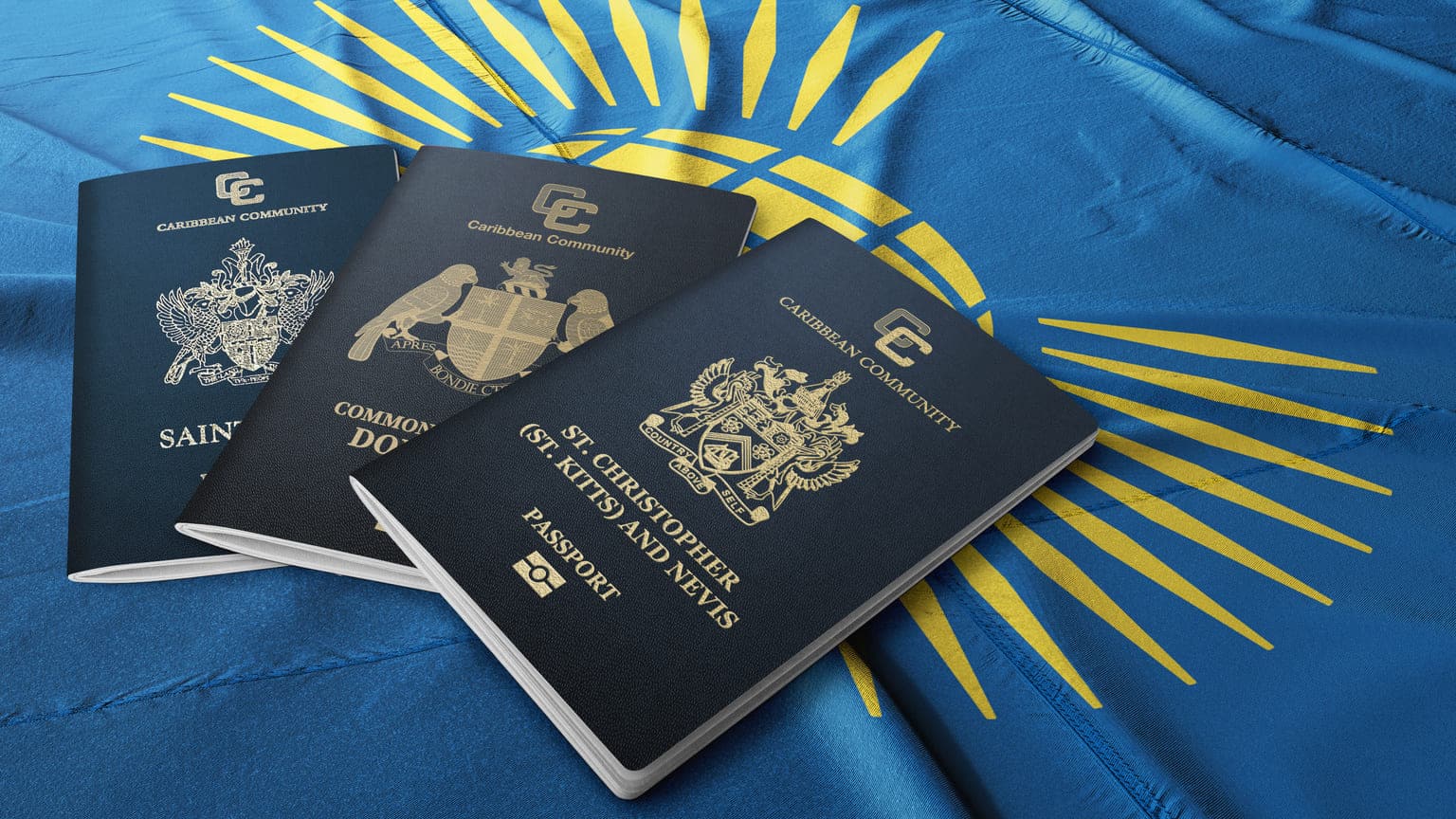
One of the key instruments behind this mobility is the CARICOM Passport. Issued by 15 member states within the Caribbean Community, the CARICOM Passport simplifies regional travel, work eligibility, and long-term relocation planning. For investors who secure citizenship through approved programs, it enables seamless access across the Caribbean, with added benefits under frameworks like the OECS and the CARICOM Single Market and Economy (CSME).
As global demand for second citizenship, residency diversification, and offshore flexibility grows, the Caribbean continues to emerge as a high-value, legally sound region for international families seeking resilience, lifestyle, and long-term positioning.
What Is the CARICOM Passport?
The CARICOM Passport is a standardized travel document issued by CARICOM member states to their citizens. It is a tool for regional integration, supporting visa-free or visa-on-arrival travel within 15 participating Caribbean countries. Citizens using this passport benefit from easier movement, reduced border friction, and alignment with regional labor and trade policies.
While the document itself is issued by individual nations, its format and privileges are unified. It includes both the issuing country’s coat of arms and the CARICOM insignia, helping border officials throughout the region instantly recognize the traveler’s status.
Only full citizens of CARICOM member states—either by birth, descent, or naturalization (including via investment)—are eligible. Residents and permit holders are not entitled to the passport or its associated regional privileges.
Benefits of the CARICOM Passport
A Caribbean passport issued by a CARICOM member state goes far beyond basic international travel. It plays a central role in promoting regional unity, enhancing intra-Caribbean mobility, and unlocking cross-border economic opportunity. For global citizens and investors, this document serves as both a symbol of belonging and a practical tool for seamless regional access.
Facilitating Free Movement and Regional Residency
The Caribbean passport allows you to travel, reside, and—in many cases—work across member countries under the CARICOM Single Market and Economy (CSME). Citizens of countries that are also members of the Organization of Eastern Caribbean States (OECS), including Antigua and Barbuda, Dominica, Grenada, St. Lucia, and St. Vincent, enjoy even more robust integration. These passport holders can relocate and establish residency in neighboring OECS countries without needing work permits or extended visa applications.
This free movement of people supports labor mobility, remote relocation, and family settlement, creating powerful options for those seeking long-term Caribbean integration.
Streamlined Regional Travel and Recognition
With a CARICOM passport, travelers benefit from simplified immigration procedures and often expedited lanes when moving between Caribbean countries. The standardized format and shared insignia help immigration officials across the region easily verify citizenship status, making cross-border travel more efficient and predictable.
Economic Participation and Market Access
Beyond movement, the Caribbean passport grants you legal status as a full economic participant. This includes the right to open bank accounts, acquire property, and access public services in other member states. For entrepreneurs, it enables company registration and cross-border operations with fewer licensing hurdles.
Supporting Investment Migration and CBI Benefits
For investors who gain citizenship through one of the region’s five CBI programs, the passport comes with even broader advantages. These include visa-free or visa-on-arrival access to over 140 countries worldwide, and the right to relocate within CARICOM and OECS without additional administrative burdens.
Reinforcing Legal Stability and Long-Term Security
Perhaps most importantly, a Caribbean passport connects you to a legally sound, English-speaking, politically stable region that adheres to democratic norms and rule of law. Most member states maintain independent judicial systems, stable currency regimes, and favorable legal protections for personal and business assets.
Key Benefits at a Glance:
Live and work in up to 15 CARICOM member states under the CSME framework
Permit-free relocation across OECS countries for deeper regional integration
Simplified border entry and faster processing within the Caribbean
Legal access to real estate markets, business infrastructure, and local services
Global visa-free travel (140–150+ countries) combined with regional economic rights
Building a Platform for Global Flexibility
Whether you are relocating your family, repositioning your assets, or simply diversifying your citizenship profile, a Caribbean passport offers more than symbolic value. It’s a vehicle for real freedom—one that unlocks regional access, long-term legal security, and strategic jurisdictional flexibility in a world where those qualities are increasingly rare.
CARICOM and OECS Free Movement Privileges
Understanding the free movement frameworks within the Caribbean is essential for anyone considering citizenship, residency, or investment in the region. While the CARICOM Passport is the entry point, the real value lies in the legal rights granted under two key regional agreements: the CARICOM Single Market and Economy (CSME) and the Organisation of Eastern Caribbean States (OECS).
Free Movement Under CARICOM
The CARICOM Single Market and Economy (CSME) allows qualified citizens of CARICOM member states to travel, reside, and work in other participating member states without the need for a traditional work visa. To do this, individuals must apply for a Certificate of Recognition of CARICOM Skills, which enables:
The right to seek and accept employment in another CARICOM country
Equal treatment under labor laws and workplace protections
Permission to relocate with eligible dependents
Access to basic services like healthcare and education in many host states
Implementation varies by country, and documentation requirements still apply.
Automatic Mobility Within the OECS
The Organisation of Eastern Caribbean States (OECS) goes further. Citizens of OECS countries (Antigua, Dominica, Grenada, St. Lucia, St. Vincent, Montserrat, St. Kitts) enjoy immediate and unrestricted rights to live, work, and establish residence in any other full member—no visa, permit, or skills certificate required.
Why This Matters for Investors
For CBI participants, OECS citizenship provides practical, multi-jurisdictional access. You can gain citizenship in one country, then legally reside and operate across six or more member states with no extra filings or delays. That kind of structural flexibility is rare—and extremely valuable.
Citizenship by Investment (CBI) Programs
The Caribbean offers five well-established Citizenship by Investment (CBI) programs that grant full legal citizenship and regional travel privileges. These programs are among the most efficient and respected in the world, offering direct access to second citizenship within three to six months.
St. Kitts and Nevis
St. Kitts and Nevis is home to the world’s first Citizenship by Investment program, established in 1984. Its longevity and reputation make it one of the most respected CBI offerings globally. With a $250,000 contribution to the Sustainable Island State Contribution (SISC) or a $400,000 real estate investment, applicants gain full citizenship in as little as 4–6 months.
More than just a passport, St. Kitts and Nevis offers one of the most livable environments in the Caribbean. Nevis, in particular, stands out for its high-end appeal and natural beauty. It’s home to Four Seasons Nevis—arguably the premier master-planned community in the Eastern Caribbean—featuring beachfront villas, luxury real estate, and one of the region’s most refined resort lifestyles. For investors seeking both security and a desirable second home, this market leads the pack.
Antigua and Barbuda
Antigua and Barbuda offers one of the most accessible family-focused CBI programs in the region, with updated pricing that includes a $230,000 donation to the National Development Fund (including processing fees) or $300,000 for a qualifying real estate investment. These options make it especially attractive for larger families looking for a cost-effective second citizenship route.
However, the country has a relatively limited inventory of CBI-approved real estate projects, which may affect resale and long-term value for property investors. Still, Antigua is an OECS member with strong regional access, and the twin-island state boasts excellent yachting infrastructure, international schools, and solid airlift to North America and Europe.
St. Lucia
St. Lucia offers a modern and flexible CBI program, with pricing starting at $240,000 (inclusive of government fees) for a single applicant via donation. Investors may also choose a $300,000 real estate option or invest in National Action Bonds starting at $300,000 (refundable after five years). The program typically delivers citizenship in 3–5 months and maintains a transparent and well-regulated due diligence process.
As a member of both CARICOM and OECS, St. Lucia offers strong mobility across the region. The island’s natural beauty, developing infrastructure, and expanding luxury real estate sector make it a growing favorite among investors looking for balance between accessibility and long-term upside.
Dominica
Dominica has earned a reputation as one of the most cost-effective and integrity-driven CBI programs in the Caribbean. Citizenship can be secured through a $100,000 donation or a $200,000 real estate investment, with processing timelines averaging 3–5 months.
But beyond the passport, Dominica is increasingly viewed as a frontier market on the rise. It offers exceptional opportunities for land banking, especially in large private estates, eco-lodges, and beachfront parcels. Though development is still catching up to more mature markets like St. Kitts and Antigua, investor interest is growing—and the island’s low-density, nature-rich landscape positions it well for sustainable luxury. This is one of the few places where you can still acquire prime coastal land under $2 per square foot.
Grenada
Grenada is often seen as one of the most strategic second passport jurisdictions due to its E-2 Treaty with the United States, allowing citizens to apply for a U.S. investor visa. Investors may obtain citizenship through a $150,000 donation or $220,000 in government-approved real estate.
The island also has an increasingly active real estate development scene, with boutique hotel projects, resort communities, and private villas on the rise. Grenada’s natural harbor, university sector, and connections to China and the U.S. give it a well-rounded economic profile, making it one of the most investment-ready destinations for Caribbean property development and long-term lifestyle planning.
Residency by Investment: British Overseas Territories (BOTs)
Anguilla
Anguilla offers residency via a $150,000 donation or $750,000 real estate investment, alongside a unique flat tax residency program that allows ultra-high-net-worth individuals to establish legal tax residency for $75,000 per year. This option is particularly attractive for clients seeking simplicity, privacy, and stability in a low-tax jurisdiction. Anguilla imposes no income, capital gains, or inheritance tax, making it one of the most efficient destinations for wealth preservation in the Caribbean. As a British Overseas Territory, it provides legal certainty under UK common law, and its boutique real estate market offers exclusivity without the density or pace of more developed jurisdictions.
Bermuda
Bermuda requires a $2.5 million investment for residency, typically in local real estate or economic development projects. While the territory does not currently provide a path to citizenship, it remains one of the most sophisticated offshore jurisdictions globally. With its highly regarded legal and financial systems, low crime rate, and polished infrastructure, Bermuda is ideal for individuals seeking a discreet and refined relocation option. It’s particularly suited for family offices, insurance executives, and professionals who value quality of life and institutional-grade stability over tax arbitrage.
Cayman Islands
The Cayman Islands offer long-term residency (up to 25 years) through a $1.2 million investment in developed real estate. Cayman is renowned for its zero-tax environment, high-end infrastructure, and business-friendly government. It is especially favored by hedge fund managers, crypto entrepreneurs, and international financiers looking for a safe, regulated jurisdiction with deep banking ties. While the residency does not convert into citizenship, the territory’s reputation, safety, and network of global service providers make it a leading choice for serious offshore structuring and lifestyle relocation.
Turks and Caicos
Turks and Caicos offers permanent residency via a $300,000 investment in real estate, with higher thresholds depending on property location. While BOTC and UK citizenship require long-term physical presence and naturalization, TCI’s luxury property market is thriving. With growing demand for marina access, resort developments, and residential communities, this territory is fast becoming one of the most sought-after lifestyle bases in the region. Investors benefit from a tax-neutral regime, white-sand beaches, and an English-speaking population—all under the legal framework of the United Kingdom.
Montserrat
Montserrat remains one of the most affordable and underdeveloped British Overseas Territories. It offers low-cost retiree residency and a clear path to BOTC citizenship after 10 years of legal residence. As a member of the OECS, eventual citizens also gain enhanced regional mobility. The island has untapped potential for eco-lodge development, agricultural land use, and boutique hospitality. For forward-thinking investors seeking a first-mover advantage in a slow-developing market, Montserrat is an intriguing option—quiet, stable, and full of long-term opportunity.
Residency by Investment: Independent Caribbean Nations
The Bahamas
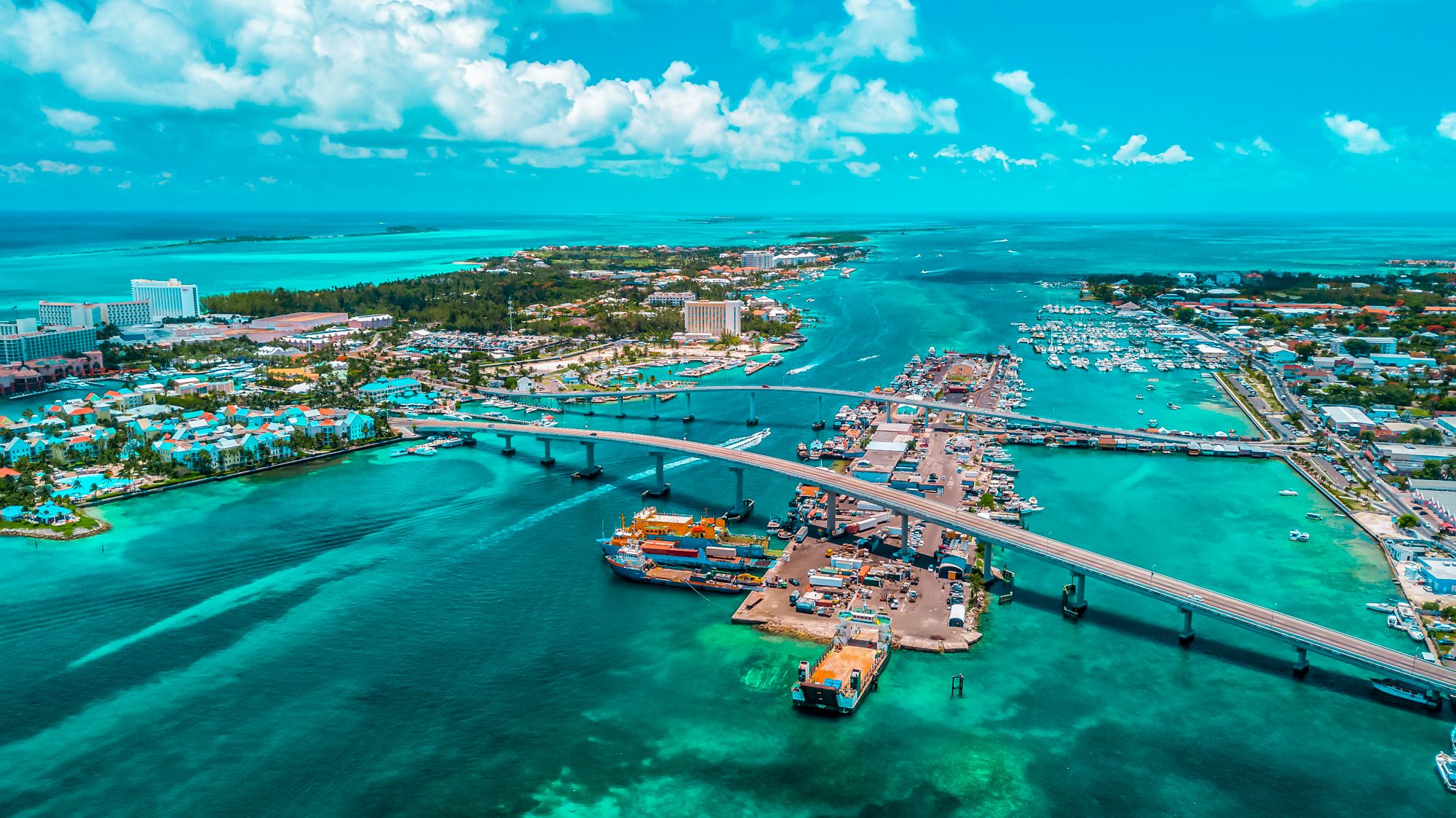
The Bahamas offers one of the most robust and straightforward residency options in the region. Permanent residency is available to individuals who invest $750,000 or more in residential real estate. The country imposes no personal income tax, capital gains tax, or inheritance tax, making it a top-tier destination for wealth protection. Its close proximity to the United States and access to major international financial institutions further enhance its appeal.
Barbados
Barbados grants residency through special entry permits to high-net-worth individuals who invest in the local economy, most commonly through real estate or significant financial assets. The minimum investment threshold is typically $300,000, though requirements can vary. Particularly popular among Canadian and British investors, Barbados offers strong legal protections, a world-class treaty network, and direct flights to Toronto and London.
St. Vincent and the Grenadines
St. Vincent offers low-cost, low-visibility residency options, especially suited for retirees and independent professionals. While a Citizenship by Investment program has not yet been launched, there are ongoing rumors of future legislation. The country consists of 32 islands, including Mustique and Canouan, and is viewed by many as a well-situated frontier market with long-term development potential.
Conclusion
The Caribbean has evolved into far more than a seasonal escape or second-home market. For investors, entrepreneurs, and global citizens, it offers a highly strategic blend of freedom, mobility, and security. Whether you’re pursuing a second passport through a respected CBI program or seeking tax residency in a quiet British Overseas Territory, the region delivers powerful tools for personal and financial resilience.
What sets the Caribbean apart is the diversity of options within a compact geographic region. You can hold citizenship in an OECS country and own property across multiple islands. You can maintain tax residency in Anguilla while investing in development land in Dominica. You can build a long-term succession plan, giving your family global mobility and multi-jurisdictional access with minimal bureaucracy.
As the world becomes more volatile, the benefits of mobility, flexibility, and legal stability are no longer luxuries—they are necessities. The Caribbean offers these in a structure that is accessible, efficient, and internationally recognized. If you’re planning for the next decade—not just the next visa stamp—there is no better region to build from.
The real estate and investment landscape in St. Kitts & Nevis has just experienced a major shift. In a landmark announcement, Safe Harbor Marinas—the largest owner and operator of marinas in the world—has acquired The Marina at Christophe Harbour, the long-stalled superyacht marina on St. Kitts’ southeast peninsula. This acquisition follows the $5.65 billion purchase of Safe Harbor itself by Blackstone Infrastructure, bringing significant institutional backing to the Caribbean’s luxury marine and property sectors.
Christophe Harbour St. Kitts, once one of the most ambitious master-planned communities in the region, had been largely dormant for the past decade. With this new partnership in place, momentum has returned. Safe Harbor plans a major expansion of the marina to accommodate vessels up to 107 meters, alongside upgraded infrastructure that will better connect St. Kitts and Nevis to the global yachting circuit.
This marks a pivotal moment not only for Christophe Harbour but for the broader narrative of investment migration and ultra-luxury living in the Caribbean. Investors have long watched Christophe Harbour with interest, waiting for the project to fulfill its original promise. With Safe Harbor’s entry, that promise may finally be realized.
History and Challenges of Christophe Harbour
The story of Christophe Harbour St. Kitts is one of bold vision, international ambition, and long-term complexity. Launched by American entrepreneur Charles “Buddy” Darby III, Christophe Harbour was envisioned as a luxury, master-planned marina and residential resort community capable of competing with the likes of St. Barths, the Bahamas, and the Cayman Islands.
Darby was no stranger to resort development. He had previously made his name with Kiawah Island, a high-end golf and resort enclave near Charleston, South Carolina, known for its upscale homes, eco-conscious planning, and world-class golf. With Christophe Harbour, Darby brought the same commitment to quality and exclusivity, selecting the unspoiled southeast peninsula of St. Kitts as the canvas for his next great development.
Launched in the mid-2000s, Christophe Harbour received immediate attention from investors and yachting elites. The development included ambitious plans for a superyacht marina, private beach clubs, luxury residences, a Tom Fazio-designed golf course, and even a Park Hyatt hotel. Darby and his team invested heavily in infrastructure, including customs and immigration facilities within the marina, positioning Christophe Harbour as a hub for ultra-high-net-worth visitors.
However, despite its early momentum, the project faced mounting challenges. The 2008 global financial crisis significantly disrupted the luxury development sector, and Christophe Harbour struggled to regain its early traction. Sales slowed, infrastructure outpaced absorption, and the expected flurry of new homebuilding never fully materialized. The ambitious scale of the project, while visionary, became difficult to execute without broader market tailwinds.
Over the past decade, much of Christophe Harbour remained underutilized. While the marina did open and host impressive vessels, many of the surrounding neighborhoods saw only modest home construction. Still, the land remained valuable, the core infrastructure world-class, and the vision intact—awaiting the right partner to carry it forward.
Enter Safe Harbor Marinas, with their operational expertise, global portfolio, and strong financial backing. Their acquisition brings a renewed sense of credibility and momentum to Christophe Harbour. It also marks a strategic shift—moving from founder-led passion to institutional stewardship, with a focus on maximizing value for homeowners, investors, and the Federation as a whole.
What This Means for St. Kitts & Nevis Real Estate
This transaction represents more than a marina acquisition—it’s a powerful signal that St. Kitts & Nevis is stepping into a new era of global relevance. With the entrance of Safe Harbor Marinas and their institutional scale and operational track record, confidence in the Federation’s luxury property sector has never been higher.
The implications for real estate are both immediate and long-term:
Christophe Harbour real estate is expected to experience a significant rise in value, as renewed infrastructure development boosts confidence and enhances the quality of life and service delivery.
The region is seeing a growing wave of inquiries from North American and European buyers looking for both second homes and long-term investments in high-quality Caribbean communities.
Private developers and landowners across St. Kitts and Nevis are also poised to benefit, as interest spills over into adjacent regions and established neighborhoods.
In short, this is more than a localized investment. It’s a catalyst that could reshape buyer behavior, developer strategy, and national positioning within the Caribbean’s luxury property sector.
Spotlight on Four Seasons Nevis
The revival of Christophe Harbour brings new attention to Four Seasons Nevis, the only fully operational, internationally branded resort community in the Federation. With nearly 100 private residences already completed and two new projects—Nevis Peak Residences and Villas at Pinney’s Beach—already under construction, Four Seasons is well positioned to absorb growing demand.
As other regional developments remain years away, Four Seasons Nevis offers immediate lifestyle access, resort services, and Citizenship by Investment (CBI) eligibility—making it the clear choice for buyers seeking credibility and convenience. new life into Christophe Harbour, it also adds fuel to the fire at Four Seasons Nevis. As the only internationally branded resort community currently operational in the country, Four Seasons Nevis is now uniquely positioned to absorb demand from investors seeking luxury, credibility, and immediate access to Caribbean lifestyle.
Every other comparable development in the region is five to ten years away from completion. In contrast, Four Seasons Nevis offers buyers move-in ready homes, full resort amenities, and strong resale potential—making it the clear choice for those looking to act now.
As capital and attention flow back into The Marina at Christophe Harbour, Nevis stands to benefit tremendously. We anticipate accelerated interest and price growth in the luxury segment as a result.
Four Seasons Nevis is also the only real estate development in the Federation currently delivering Citizenship by Investment shares within a fully built, internationally operated resort setting. For global families balancing financial security, lifestyle access, and second citizenship, the choice is becoming increasingly clear.
A Regional Turning Point
This acquisition was made possible through the support of the Government of St. Kitts and Nevis, the Darby family (original visionaries behind Christophe Harbour), and key diplomatic figures including Special Envoy Her Excellency Hadiya Claxton. Prime Minister Dr. Terrance Drew has called the transaction a “catalyst for long-term economic growth and international recognition.”
The Christophe Harbour Development Company will continue to manage the residential components of the site, while Safe Harbor Marinas takes over operations of the marina itself, integrating it into its global portfolio of over 135 properties.
The return of serious capital and credible operators to Christophe Harbour represents a turning point not only for the project itself, but for the trajectory of luxury real estate in St. Kitts & Nevis. For investors, Citizenship by Investment applicants, and global families looking for secure second homes in the Caribbean, now may be the time to take a closer look.
What This Means for the Future of the Market
The revitalization of Christophe Harbour signals more than just a single project getting back on track—it represents a broader reawakening of the St. Kitts and Nevis real estate market. With renewed investment, institutional oversight, and long-overdue momentum, the Federation is entering a new chapter of credibility and global relevance.
This moment offers a rare opportunity for buyers, developers, and landowners alike:
Land value appreciation is expected across the Southeast Peninsula and in adjacent high-end communities, particularly those with infrastructure in place.
Luxury housing inventory, especially at Four Seasons Nevis and in future phases of Christophe Harbour, is likely to tighten as regional attention grows.
Resale and rental potential will be bolstered by rising tourism, enhanced marina traffic, and broader infrastructure improvements.
Perhaps most importantly, the Safe Harbor acquisition proves that top-tier global investors see long-term value here. As other island jurisdictions face delays or political uncertainty, St. Kitts and Nevis now offers something rare: stability, delivery, and vision—at exactly the right time.
Final Thoughts
Christophe Harbour’s next chapter is already underway, and with it, the future of real estate in St. Kitts and Nevis is evolving quickly. What was once seen as a dormant asset is now becoming a beacon for growth, tourism, and high-quality development in the Caribbean.
Whether you’re a buyer considering your first property in the Federation, a developer seeking land with strong fundamentals, or simply someone following the transformation of the Eastern Caribbean, the message is clear: this is a rare moment of alignment—vision, capital, and infrastructure are finally in place.
From the hills of Nevis to the coastlines of the Southeast Peninsula, the real opportunity isn’t just what’s coming next—it’s what’s already happening.
When you think of Antigua, pristine beaches and turquoise waters might come to mind, but this Caribbean gem is also a renowned tax haven. With its favourable tax policies and business-friendly environment, Antigua has become a hotspot for entrepreneurs, investors and global corporations seeking financial advantages. Its strategic location and stable economy only add to its appeal.
Setting up a business or managing assets in Antigua offers more than just tax benefits. You’ll find streamlined regulations, confidentiality and access to international markets, making it an attractive destination for wealth management. Whether you’re looking to reduce your tax burden or diversify your financial portfolio, Antigua provides a compelling solution.
The island’s reputation as a tax haven isn’t just about low taxes—it’s about creating opportunities. By leveraging Antigua’s policies, you can unlock financial growth while enjoying the perks of operating in one of the world’s most idyllic locations.
Tax-Free Living in Antigua: Tax Haven for Investors
Antigua’s tax policies make it a highly attractive destination for individuals and businesses seeking financial optimisation. Its combination of zero personal income tax and offshore-friendly regulations enhances its reputation as a leading tax haven.
Introduction to Antigua as a Tax Haven
Antigua offers unparalleled tax benefits, drawing investors and entrepreneurs from across the globe. Known for living tax-free in the Caribbean, it provides an environment with no capital gains tax, wealth tax, or inheritance tax.
The absence of restrictions on foreign currency movements supports offshore tax planning by making international transactions seamless. Its robust financial infrastructure fosters ease of business operations and private wealth management, positioning Antigua as a premier tax haven.
Overview of Antigua’s Territorial Tax System
Antigua operates a territorial tax system, which means only income earned locally is subject to taxation. Foreign-sourced income, including dividends and investment returns, remains entirely tax-free for residents.
This tax system encourages global investors to channel their earnings through Antigua. By establishing residency under the Antigua residency program, you can legally avoid paying tax on worldwide income. Businesses also thrive here due to the lack of double taxation agreements with key markets.
Antigua’s Appeal for High-Net-Worth Individuals
Antigua’s tax policies appeal particularly to high-net-worth individuals. Its zero-tax regime on foreign revenue perfectly complements strategies for offshore tax planning.
Residency status offers asset protection, confidentiality, and ease of estate planning. The Antigua residency program simplifies this process for individuals seeking long-term settlement while maintaining tax-free income from global investments.
Tax Advantages of Living in Antigua
Antigua offers an appealing combination of a picturesque Caribbean lifestyle and significant financial incentives. Its territorial tax system allows for tax optimisation, especially for global investors and high-net-worth individuals.
0% Tax on Foreign-Sourced Dividends and Investment Income
You benefit from Antigua’s territorial tax framework, as only locally sourced income is taxable. Foreign-sourced dividends and investment income are entirely tax-free, making it an ideal location for offshore tax planning. For instance, if you earn income through overseas investments, such as real estate, stocks, or businesses, Antigua imposes no tax on those earnings.
This policy supports individuals seeking to minimise their global tax burden. Combined with the absence of foreign currency restrictions, it facilitates seamless international revenues without punitive levies. Many residents enjoy living tax-free in the Caribbean while maintaining diversified portfolios abroad. Antigua’s residency program enhances these advantages, giving you full access to these favorable benefits.
Exemptions on Capital Gains and Inheritance Taxes
Capital gains and inheritance taxes are non-existent in Antigua, providing a crucial edge for wealth preservation. If you sell assets, such as property or shares, you won’t face capital gains taxation. This ensures maximised profits from your investments and eliminates the need for complex tax strategies.
Inheritance tax exemptions further protect your estate. If you’re planning intergenerational wealth transfer, your heirs avoid burdensome tax obligations. This factor reinforces Antigua’s status as a tax haven attraction for families, retirees, and global entrepreneurs. Affiliation with the Antigua residency program amplifies these tax benefits, ensuring smooth and tax-efficient wealth management and estate planning.
Tax Residency Options in Antigua
Antigua’s residency options offer strategic avenues for tax optimisation, providing a blend of tax benefits and a premier Caribbean lifestyle. The island’s tax policies cater to global investors and high-net-worth individuals seeking to streamline their finances.
Antigua Citizenship by Investment Program
The Antigua Citizenship by Investment Program (CIP) provides an efficient route to obtain citizenship and access tax benefits in Antigua. This program appeals to individuals aiming to optimise their global tax strategies and secure a second citizenship. By contributing to the National Development Fund (minimum $100,000 for a single applicant) or investing in approved real estate (minimum $200,000), you can qualify.
The program enables you to reside in Antigua and benefit from its territorial tax system. Under this framework, foreign-sourced dividends and investment income remain entirely tax-free, enhancing offshore tax planning opportunities. Additionally, the lack of personal income tax ensures you can achieve financial efficiency while enjoying the benefits of dual citizenship. Processing times for applications are approximately 3-4 months, granting swift access to these advantages.
Antigua’s Flat-Tax Program
The flat-tax program in Antigua offers a straightforward structure for tax contributions. This option is tailored for individuals with global investment portfolios or high earnings outside the island. A fixed annual tax of $20,000 applies under this regime, simplifying tax planning, especially for those pursuing living tax-free in the Caribbean.
Participation in the flat-tax program complements the territorial tax system by shielding foreign-sourced income from taxation. It’s particularly advantageous for entrepreneurs or retirees with global financial assets. The predictable flat rate eliminates uncertainties, allowing effective wealth management while you enjoy Antigua’s tax-friendly environment.
Eligibility and Application Process
Antigua residency program eligibility involves a streamlined process designed to facilitate applicants. You must demonstrate financial self-sufficiency by verifying stable income or assets and pass a basic due diligence check. This process typically requires submitting personal documentation, such as passports, proof of income, and police records.
Applications for residency or the Citizenship by Investment Program proceed through licensed agents approved by the government. Residency approval grants access to Antigua’s territorial tax benefits and the opportunity to optimise your offshore tax planning. Processing fees and investment thresholds may vary, but the system ensures transparency and ease of access for qualified applicants. The entire process, from submission to approval, often takes no longer than six months.
Offshore Tax Planning in Antigua
Antigua’s favourable tax landscape attracts investors and entrepreneurs for efficient offshore tax planning. Its territorial tax system and residency options provide significant advantages for wealth preservation and global investment strategies.
Setting Up Offshore Accounts and Trusts
Setting up offshore accounts and trusts in Antigua enhances asset protection and privacy. These structures are instrumental for estate planning, shielding your assets from external claims or regulatory scrutiny. Offshore trusts in Antigua provide confidentiality due to the jurisdiction’s strict legal framework, ensuring minimal disclosure requirements.
With no inheritance or wealth tax, Antigua offers a strategic environment for intergenerational wealth transfer. For example, families can establish trusts to allocate assets efficiently while benefiting from tax exemptions. Offshore accounts also simplify managing international investments, supported by the absence of currency movement restrictions. This facilitates seamless transactions and secure storage of wealth.
Combining these structures with Antigua’s territorial tax system ensures that foreign-sourced income remains tax-free. This complements individual or corporate strategies aimed at minimising global tax liabilities while maintaining compliance with international regulations.
Leveraging Antigua’s Tax Policies for Global Investments
The territorial tax framework lets you optimise returns from global investment portfolios. In Antigua, only locally sourced income is subject to taxation, allowing foreign-sourced dividends and investment income to remain untaxed. This feature suits high-net-worth individuals focused on living tax-free in the Caribbean while pursuing global financial growth.
The absence of capital gains tax amplifies investment opportunities. Investors benefit from retaining entire profits on international equity sales or property investments. Diversified global portfolios thrive under Antigua’s tax policies, as the jurisdiction encourages both individual and corporate expansion.
Pairing these advantages with the Antigua residency program enhances access to strategic tax benefits. This program allows you to enjoy tax exemptions while benefiting from the country’s stable economy and streamlined regulatory processes. By aligning tax planning with global investments, Antigua strengthens its position as a premier jurisdiction for financial efficiency.
Quality of Life for Residents in Antigua
Residents in Antigua enjoy a high standard of living, blending luxury, community, and financial advantages. The island’s setting and amenities offer both comfort and a strategic base for global investment and wealth preservation.
Real Estate Opportunities and Luxury Living
Property in Antigua offers investment potential and access to an upscale lifestyle. Luxury villas, beachfront homes, and gated communities are available, catering to varying preferences. Prime locations include Jolly Harbour and English Harbour, known for waterfront properties and modern amenities.
Ownership enhances your quality of life through access to private beaches, pools, and wellness centres. Many residential developments are situated near marinas, ideal for those engaging in yachting or other watersports.
The Antigua residency program allows direct access to these upscale real estate opportunities. Combining this with the island’s tax-free status on global income strengthens its appeal for investors seeking both living tax-free in the Caribbean and property value appreciation.
Community and Expat Lifestyle Benefits
Living in Antigua fosters connections within a vibrant and inclusive society. A growing expatriate population has established supportive networks through associations and clubs. These groups organise events, offering opportunities for networking and cultural exchange.
Antigua’s stable infrastructure supports an international lifestyle with top-tier healthcare, private schools, and modern utilities. Residents can enjoy local markets, fine dining, and wellness retreats, which enhance daily living.
Social benefits are complemented by financial advantages. Antigua’s lack of taxes on foreign-sourced dividends and investment income promotes fiscal stability. Access to the offshore tax planning environment meets the needs of investors and entrepreneurs pursuing financial growth while maintaining a relaxed lifestyle.
Conclusion
Antigua offers an unmatched combination of financial advantages and an idyllic Caribbean lifestyle. Its tax policies create opportunities for wealth preservation, global investment growth, and intergenerational planning, while the residency and citizenship programmes provide a straightforward path to these benefits.
Whether you’re an entrepreneur, investor, or retiree, Antigua’s tax haven status, coupled with its luxury living and supportive community, ensures you can enjoy both economic efficiency and a high quality of life. It’s a destination where financial optimisation meets tropical paradise.
Managing significant wealth comes with unique challenges, and that’s where family office wealth management steps in. It’s more than just overseeing finances—it’s about preserving legacy, protecting assets, and ensuring long-term growth for generations. Whether you’re navigating investments, tax planning, or philanthropic goals, a family office provides tailored solutions to meet your family’s needs.
You might wonder why this approach is gaining traction. As financial landscapes grow more complex, families with substantial assets are seeking personalized strategies that go beyond traditional wealth management. A family office offers a centralized framework to handle everything from estate planning to risk management, giving you peace of mind.
By adopting a holistic approach, family office wealth management ensures your family’s values align with financial decisions. It’s not just about growing wealth—it’s about creating a sustainable future while simplifying the complexities of managing it all.
Family Offices and Wealth Management: Diversifying with Caribbean Real Estate
Caribbean real estate offers unique opportunities for family offices seeking to diversify portfolios and manage wealth effectively. These investments can reduce risks while complementing traditional asset classes, creating a stronger financial foundation.
Introduction to Family Offices and Wealth Management
Family offices provide tailored wealth management solutions to affluent families. They focus on sustaining and growing wealth across generations by incorporating diverse asset strategies that align with family goals.
What are Family Offices?
Family offices are entities managing the financial assets, legal affairs, and estate planning of high-net-worth families. Single-family offices handle the needs of one family, while multi-family offices serve multiple families. Both models aim to ensure that investments, such as real estate, support legacy preservation and long-term growth.
Importance of Diversification in Wealth Management
Diversification is critical in safeguarding wealth against market volatility. By including non-correlated asset classes like Caribbean real estate, family offices can mitigate risk. These markets often remain stable compared to developed regions like the US, Canada, Europe, and Asia, increasing their appeal for family office real estate investors. Resorts, luxury villas, and commercial properties across the Caribbean provide avenues to balance portfolios and explore alternative revenue streams.
Real estate investments in this region can act as a hedge while contributing to an adaptable and resilient wealth management strategy for family office management.
Overview of Caribbean Real Estate Markets
Caribbean real estate presents a compelling opportunity for diversifying family office portfolios. Properties in this region offer unique advantages like susceptibility to less market volatility and alignment with long-term wealth goals.
Non-Correlation with Developed Markets
Caribbean real estate markets generally operate independently from developed markets like the US, Canada, Europe, and Asia. This non-correlation reduces exposure to global economic fluctuations, which safeguards wealth during periods of instability. For example, while equity markets in developed regions often fluctuate based on macroeconomic trends, Caribbean real estate values tend to remain stable, particularly in the luxury property and resort segments.
Family office real estate investment in the Caribbean minimizes the overdependence on traditional asset classes like equities or domestic real estate. Adding Caribbean properties ensures portfolio resilience by balancing risks associated with cyclical downturns in developed economies.
Unique Opportunities in the Caribbean
Real estate investment in the Caribbean comes with access to exclusive opportunities. Prime locations offer high-value options like beachfront villas, boutique hotels, and residential resorts, attracting affluent buyers. These assets not only appreciate in value but also generate recurring income through vacation rentals and luxury tourism-driven demand.
Several Caribbean nations, such as the Bahamas and Turks and Caicos, provide investor-friendly regulations, making it easier for family office real estate investors to acquire and manage properties. Citizenship-by-investment programs also enhance property value by offering additional benefits like global mobility. This combination of regulatory ease and high demand allows you to position your portfolio for both short-term income and long-term growth potential.
Benefits of Caribbean Real Estate for Family Office Portfolios
Investing in Caribbean real estate enhances portfolio diversification and fortifies risk management strategies for family office real estate investors. These markets complement traditional asset classes and contribute to building a sustainable, growth-oriented portfolio.
Portfolio Diversification and Risk Management
Caribbean real estate provides a hedge against risks in highly correlated global markets. These properties, including beachfront homes and luxury resorts, operate independently from developed markets in the US, Canada, Europe, and Asia. By investing in this region, you mitigate economic shocks that can impact traditional asset classes like equities or bonds. Diversifying across these non-correlated markets strengthens portfolio stability and resilience.
Stable Returns and Long-Term Growth Potential
Caribbean real estate offers consistent revenue streams and long-term value appreciation. Rental income from boutique hotels or luxury villas contributes to stable returns, while limited supply in prime locations ensures property appreciation over time. The region’s popularity as a global luxury destination supports steady demand, aligning these investments with long-term wealth objectives for family office real estate investment strategies.
Tax Efficiency and Wealth Preservation Strategies
Several Caribbean nations offer investor-friendly tax policies that help preserve wealth. By acquiring real estate in these jurisdictions, you reduce tax exposure and improve after-tax returns. Many markets provide incentives such as favorable capital gains or property tax rates, aligning with family office management strategies focused on sustaining multi-generational wealth. These tax efficiencies enhance the appeal of integrating Caribbean real estate into your portfolio.
Key Strategies for Family Office Investments in the Caribbean
Family offices often explore Caribbean real estate to diversify holdings and protect against risk. These markets, independent from developed economies in the US, Canada, Europe, and Asia, complement traditional assets and offer stability for wealth portfolios.
Identifying High-Value Markets
Focus on prime locations in the Caribbean to maximize returns. Areas like the Bahamas, Barbados, and Saint Lucia attract high demand due to their luxury tourism appeal. Consider markets with strong rental potential, investor-friendly laws, and consistent value appreciation. High-value areas often feature beachfront villas, boutique hotels, and resort properties that align with family office real estate investment goals.
Balancing Residential and Commercial Properties
Create a balanced portfolio by including both residential and commercial assets. Residential properties, such as luxury villas or condominiums, assure consistent rental income during tourism seasons. Commercial real estate, like boutique hotels or office spaces, diversifies income streams and reduces risk exposure. Balancing these property types strengthens your overall family office management strategy while offering adaptable revenue sources.
Leveraging Local Expertise and Partnerships
Collaborate with local real estate professionals to navigate market-specific regulations and identify high-potential investments. Partner with property managers, legal consultants, and real estate agents experienced in family office real estate investors’ needs. These partnerships simplify acquisition processes, ensure compliance, and enhance portfolio performance through informed decision-making.
Case Studies of Successful Caribbean Real Estate Investment Portfolios
For family offices seeking to preserve wealth while accessing meaningful growth, the Caribbean offers a unique blend of resilience, yield, and strategic diversification. Below are two case studies that reflect how real estate investment in the region—when executed with long-term vision and local engagement—can become a cornerstone of multigenerational wealth planning.
Dart Group – Cayman Islands
The Dart Group, headquartered in the Cayman Islands, provides a compelling model of how real estate can be used to unlock lasting value across generations. Known for developing Camana Bay, a fully integrated commercial and residential hub, Dart has demonstrated how mixed-use assets can produce stable, diversified income streams that align with family office objectives.
More recently, Dart has expanded its portfolio beyond Cayman, acquiring the prestigious Four Seasons Resort and Residences Anguilla. This move signals a broader appetite for institutional-grade, branded residences in premium Caribbean markets. The acquisition of Anguilla’s Zemi Beach House in 2024 further illustrates Dart’s strategy of consolidating top-tier hospitality assets under long-term stewardship.
What makes Dart’s approach especially relevant for family offices is its commitment to infrastructure and community uplift. Following its resort acquisitions, the group pledged $5 million toward cultural development in Anguilla, enhancing long-term asset value while contributing to local economic resilience. For family offices that view wealth as both a legacy and a responsibility, Dart offers a textbook example of capital being deployed with foresight and impact.
Ayre Group – Antigua and Barbuda
Founded by Calvin Ayre—a Canadian entrepreneur who gained global recognition through his early work in online gaming—the Ayre Group demonstrates a more entrepreneurial but equally instructive path for family offices. Now a citizen of Antigua and Barbuda, Ayre has redirected his efforts into Caribbean real estate, blockchain ventures, and philanthropy.
In the property space, the Ayre Group is developing a $400 million Nikki Beach resort and branded residences in Antigua’s Jolly Harbour, with completion expected by 2028. This development targets high-net-worth individuals seeking luxury assets with lifestyle and citizenship utility. A separate $40 million project, Vida Del Ayre, is nearing completion as a private hilltop business and wellness retreat—designed to serve elite executive clients and their families.
What sets Ayre’s model apart is how it strategically aligns with Antigua and Barbuda’s Citizenship by Investment Program. By offering real estate that qualifies for CBI, the group taps into a global pool of investors seeking both asset diversification and enhanced mobility. For family offices, this illustrates how regulatory insight and global citizenship trends can be woven into a broader real estate strategy.
Ayre’s philanthropic focus, especially through the Calvin Ayre Foundation, reinforces a central theme in family office wealth management: impact and legacy. From supporting education and healthcare to rebuilding efforts after natural disasters, the foundation’s work reflects the values-driven dimension of modern family office stewardship.
Conclusion
Family office wealth management offers a strategic pathway to preserve and grow your family’s legacy while navigating today’s complex financial landscape. By incorporating diverse investments like Caribbean real estate, you can strengthen your portfolio, mitigate risks, and achieve sustainable growth for generations to come.
With its unique advantages and potential for stable returns, the Caribbean real estate market presents an invaluable opportunity for families seeking to align their financial goals with long-term resilience. Leveraging local expertise and carefully selecting high-value properties can position your family office for enduring success.
Imagine gaining a second passport that opens doors to global mobility, tax advantages, and a tropical paradise. Saint Kitts and Nevis Citizenship by Investment offers you just that—a chance to secure citizenship in one of the Caribbean’s most stunning twin-island nations. With its streamlined process and established reputation, it’s become a top choice for investors worldwide.
Whether you’re seeking visa-free travel to over 150 countries, financial diversification, or a safe haven for your family, this program provides unmatched benefits. Saint Kitts and Nevis stands out not only for its breathtaking landscapes but also for its commitment to offering a straightforward and efficient path to citizenship.
By investing in real estate or contributing to a government fund, you can unlock a wealth of opportunities while enjoying the charm of island living. It’s more than a passport—it’s a gateway to freedom and security for your future.
St. Kitts and Nevis: The Grandfather of Citizenship by Investment
The St. Kitts and Nevis Citizenship by Investment program is the oldest and most established program of its kind. It has been a pioneer in providing a gateway to global mobility, tax optimization, and personal freedom.
The World’s Oldest Citizenship by Investment Program
Established in 1984, the St. Kitts and Nevis citizenship program is recognized as the first-ever Citizenship by Investment initiative. It continues to maintain its position as a trusted and reputable choice for investors. The program paved the way for other nations to adopt similar models, offering individuals the chance to acquire dual citizenship through strategic investments.
Two primary investment options exist for obtaining Saint Kitts citizenship. You can contribute a minimum of $125,000 to the Sustainable Growth Fund (SGF) or invest at least $200,000 in pre-approved real estate. Both options ensure due diligence checks, making the program secure and compliant with international standards. Its reputation as a trailblazer attracts families and individuals seeking robust investment migration solutions.
How St. Kitts and Nevis Set the Standard for Investment Migration
St. Kitts and Nevis citizenship programs have set benchmarks for efficiency, flexibility, and global access. Investors acquiring Saint Kitts and Nevis citizenship through this program gain visa-free or visa-on-arrival access to over 150 countries, including the EU and the UK. Its fast-track processing, often completed within 60 days, has redefined practical application timelines.
This Caribbean nation also introduced measures ensuring economic benefits for citizens and investors alike. Reduced taxes and no global income, inheritance, or capital gains taxes make it especially attractive for wealth planning. By combining these advantages, St. Kitts citizenship has influenced a global shift towards residency and investment migration opportunities, delivering security and mobility in an ever-changing world.
Investment Options for Citizenship
The St. Kitts and Nevis citizenship by investment program provides two primary pathways for obtaining citizenship: real estate investments and contributions to the Sustainable Growth Fund (SGF). Additional approved options also exist, diversifying opportunities for investors seeking global mobility and security.
Real Estate Investment Opportunities
Investing in pre-approved real estate opens a pathway to St. Kitts citizenship. A minimum investment of $200,000 is required, which must be held for at least seven years. Alternatively, a $400,000 investment held for five years provides additional flexibility. Real estate options include luxury villas, condominiums, and resort developments.
This option appeals to those seeking high-value assets with potential for appreciation, rental income, or lifestyle advantages in the Caribbean. You gain access to visa-free travel to over 150 destinations while acquiring prime property that aligns with international standards.
Sustainable Growth Fund (SGF) Contributions
The SGF option involves a non-refundable contribution to Saint Kitts and Nevis. A single applicant contributes $125,000, and family packages begin at $170,000 for up to four members. Additional dependents require supplementary payments starting at $10,000.
This route is designed for individuals who prioritize efficiency and cost-effectiveness over asset acquisition. Processing times are often faster, with applications finalized within 60 days under the Accelerated Application Process.
Other Approved Investment Routes
Saint Kitts citizenship also offers indirect investment avenues, including government-approved entrepreneurial ventures or public infrastructure projects. While less common, these opportunities allow contributions to developments that boost the nation’s economy.
Strategic partnerships occasionally expand investment paths, appealing to specific industries or philanthropic interests. Ensure compliance with program guidelines by consulting licensed program agents. This ensures security and alignment with the program’s regulatory standards.
Benefits of St. Kitts and Nevis Citizenship
Obtaining St. Kitts and Nevis citizenship through investment offers a wide range of advantages. This global mobility program, combined with tax planning opportunities and Caribbean lifestyle benefits, ensures security and freedom for you and your family.
Global Mobility and Visa-Free Travel
St. Kitts and Nevis citizenship guarantees access to visa-free or visa-on-arrival travel to over 150 countries. This includes the European Union, the United Kingdom, Singapore, and Hong Kong. By securing this passport, you eliminate frequent visa applications, simplifying international business and leisure trips.
Dual citizenship is allowed. Retaining your original nationality ensures you maximize the benefits of both as you expand your global reach. This feature makes St. Kitts citizenship ideal for entrepreneurs, investors, and frequent travelers seeking international convenience.
Fast-track processing, available within 60 days, further enhances your ability to travel quickly with minimal delays. Once approved, your St. Kitts and Nevis citizenship provides one of the most respected passports in the Caribbean for ease of travel.
Tax Planning and Asset Protection
Saint Kitts citizenship provides significant tax benefits. The country imposes no taxes on global income, wealth, inheritance, or capital gains. These tax policies help you safeguard your assets, making it an attractive option for wealth planning and protection.
You can also benefit from a stable banking system. With Saint Kitts and Nevis being part of the Eastern Caribbean Central Bank framework, it delivers reliable financial systems for secure transactions and asset management.
Tax residency isn’t required. With no obligation to reside in Saint Kitts and Nevis, you retain flexibility while benefiting from the favorable tax framework. For high-net-worth individuals, the program supports international planning without affecting day-to-day operations or obligations.
Lifestyle and Business Opportunities in the Caribbean
Saint Kitts and Nevis offer an idyllic lifestyle and an appealing environment for business expansion. This twin-island federation boasts moderate year-round temperatures, pristine beaches, and luxurious accommodations, ensuring a high quality of life for you and your family.
The real estate market provides a unique avenue for residency and investment. By investing in properties, such as luxury resorts or condominiums, you gain opportunities for appreciation, rental income, and ownership in one of the most sought-after Caribbean locations.
Business-friendly policies further enhance the appeal. Citizens enjoy access to a stable economic and political environment, with benefits such as no personal income tax and support for business ventures in tourism, agriculture, and financial services. The program ensures you access ease and continuity while building your legacy.
The Application Process Explained
The process of applying for St. Kitts and Nevis citizenship by investment is structured and efficient, ensuring compliance with international standards. It involves a series of steps designed to evaluate eligibility, process investments, and grant citizenship.
Eligibility Criteria for Applicants
Applicants must meet specific criteria to qualify for Saint Kitts and Nevis citizenship by investment. You must be over 18, have a clean criminal record, and demonstrate legitimate financial resources. Additionally, you must pass thorough due diligence checks conducted by authorized agencies. Dependents, including spouses, children under 30, and parents or grandparents over 55, can also be included in your application if financially supported by you.
Applicants cannot pursue St. Kitts citizenship if they hold certain disqualifying nationalities or fail background checks. These measures maintain the program’s global reputation and ensure compliance with international regulations.
Step-by-Step Application Process
The application process begins with selecting an authorized agent licensed by the Citizenship by Investment Unit (CIU). You cannot apply directly to the government without an agent. Submit completed forms, required documentation, and pay related fees through your agent.
The next step is undergoing due diligence screenings. Upon approval of your application, you make the required investment in either the Sustainable Growth Fund (SGF) or pre-approved real estate. For real estate, transfer titles and agreements validate compliance. Once investments finalize, you receive your certificate of registration, granting Saint Kitts citizenship.
Fast-track processing is available for an additional fee, expediting your approval process to approximately 60 days.
Timeframe and Costs Involved
The standard timeframe for St. Kitts and Nevis citizenship approval ranges from three to six months. Fast-track processing shortens this period to about 60 days. Costs differ based on investment choices and family size.
For the SGF option, a single applicant contributes $125,000, while a family of four requires $170,000. Real estate investments demand a $200,000 minimum, held for at least seven years, or $400,000 for five years. Additional fees for due diligence, application processing, and dependent inclusions apply, starting at $7,500 for the primary applicant.
Understanding these costs and timelines helps you plan effectively for your application and citizenship goals.
Impact of St. Kitts and Nevis on Global Investment Migration
The St. Kitts and Nevis citizenship program has become a cornerstone of global investment migration, influencing policies and practices worldwide. Its comprehensive approach offers economic and lifestyle benefits to investors seeking global mobility and financial freedom.
How St. Kitts and Nevis Pioneered the Movement
St. Kitts and Nevis launched the world’s first citizenship by investment program in 1984, establishing a blueprint for other nations. The program’s enduring success stems from its robust framework, combining transparency, efficiency, and accessibility. By creating an avenue for investors to obtain St. Kitts citizenship, the country opened doors for global mobility while bolstering its economy.
You can choose from structured options like investments in real estate or the Sustainable Growth Fund (SGF). This pioneering approach inspired jurisdictions worldwide, particularly in the Caribbean, to adopt similar models for economic development and international engagement. St. Kitts’ early commitment to compliance and due diligence set global standards, solidifying its reputation as a leader in investment migration.
Influence on Other Caribbean Citizenship Programs
Several Caribbean nations, including Dominica, Antigua and Barbuda, and Grenada, followed the St. Kitts and Nevis citizenship model. These programs emulate critical elements such as affordable investment thresholds, fast-track processing, and visa-free travel benefits.
St. Kitts’ influence extends to maintaining credibility through stringent vetting processes. The Caribbean’s earned reputation as a hub for investment migration began with St. Kitts citizenship, attracting high-net-worth individuals worldwide. This competitive domain promotes economic diversification and fosters regional development by driving direct foreign investments in tourism, infrastructure, and real estate projects.
Future Trends in Investment Migration
The success of Saint Kitts and Nevis citizenship programs has sparked innovation in global investment migration systems, with increasing demand for streamlined processing and diversified investment options. Emerging trends indicate a shift towards sustainable and socially responsible investments, giving investors more tailored opportunities.
Digital advancements are also reshaping application procedures, enhancing transparency and reducing timelines. Nations may adopt customizable pathways for families or entrepreneurs, expanding inclusivity. As global instability prompts individuals to seek secure citizenship alternatives, programs like Saint Kitts’ will likely influence migration policies, blending mobility, tax optimization, and international security into modern investment frameworks.
Conclusion
Saint Kitts and Nevis offers a unique opportunity to secure a second citizenship through its well-established Citizenship by Investment program. Whether you’re seeking greater global mobility, financial advantages, or a peaceful lifestyle in a tropical paradise, this program delivers unmatched benefits.
By choosing an investment path that aligns with your goals, you can unlock a future filled with security, freedom, and new possibilities. This program continues to set global standards, making it a top choice for investors worldwide looking to enhance their personal and financial horizons.
Investing in a real estate fund can be a smart way to diversify your portfolio without the hassle of managing individual properties. These funds pool money from multiple investors to invest in real estate assets like commercial buildings, residential complexes, or even land development projects. Whether you’re new to real estate investing or looking for a hands-off approach, this option offers both flexibility and potential returns.
Unlike direct property ownership, real estate funds let you benefit from professional management and reduced risk through diversification. You don’t have to worry about tenant issues or property maintenance—experts handle it all while you focus on your financial goals. Plus, with various types of funds available, from REITs to private equity funds, there’s something for every investor.
Understanding how these funds work and their potential benefits can help you make informed decisions. Ready to explore how real estate funds could fit into your investment strategy?
Investing in Caribbean Real Estate Funds
Caribbean real estate funds offer unique opportunities to diversify your portfolio within a rapidly growing regional market. These funds combine professional management with access to lucrative property investments across the Caribbean.
Introduction to Caribbean Real Estate Funds
Caribbean real estate funds provide a platform for investing in the region’s expanding property market. These funds often focus on commercial, residential, and mixed-use developments that benefit from increasing tourism and economic growth in the Caribbean. You can invest through REITs, private equity funds, or syndicated deals, each catering to different investment objectives and risk preferences.
Focused real estate investment strategies allow funds to target high-demand sectors, such as hospitality properties and vacation rentals. With professional teams handling asset selection and management, these funds ensure optimized returns while reducing administrative burdens.
Overview of Property Funds in the Caribbean
Caribbean property funds typically invest in diversified real estate assets, including resorts, luxury hotels, and housing developments. REITs in the Caribbean often concentrate on tourism-related properties, while private equity funds may explore broader opportunities, such as infrastructure or urban regeneration projects. Syndicate deals allow multiple investors to acquire ownership stakes in high-value assets, spreading financial commitments and risks.
Small property funds serve niche markets or cater to local development projects, whereas larger funds align with international investor demands. These funds contribute to regional economic development while providing investors access to prime locations like Barbados, Jamaica, and the Bahamas.
Why Invest in Real Estate Funds?
Investing in Caribbean real estate funds helps you capitalize on a profitable and growing market without directly managing property assets. These funds lower entry barriers, enabling family offices and individual investors to gain exposure to high-value assets. Diversification minimizes risks caused by market fluctuations, and liquidity options through publicly traded REITs improve portfolio flexibility.
The Caribbean property market benefits from consistent tourism growth and international investment, enhancing property valuations and rental yields. With experienced fund managers prioritizing well-researched real estate investment strategies, these funds deliver competitive returns and long-term stability.
Types of Real Estate Investment Structures
Real estate investment structures offer various ways to diversify your portfolio and align with specific financial goals. Understanding these structures enhances your ability to make informed decisions.
Real Estate Investment Trusts (REITs)
REITs provide a straightforward way to access real estate markets without directly owning properties. These trusts pool funds from investors to purchase, manage, and sell income-producing properties such as office buildings, apartments, or retail spaces.
Investing in REITs allows you to benefit from regular dividend income, as they distribute at least 90% of taxable income to shareholders. Publicly traded REITs offer high liquidity, making it easy to buy or sell shares in the stock market. Non-traded and private REITs may involve longer holding periods but often focus on specialized sectors. For instance, Caribbean property funds structured as REITs target tourism-driven projects like resorts and vacation rentals in the Caribbean property market. This adds regional diversification and exposure to high-demand hospitality assets.
Private Equity Funds
Private equity funds cater to investors seeking long-term capital growth. These funds pool assets to acquire, develop, and eventually sell high-value real estate projects, including commercial or mixed-use developments.
Unlike REITs, private equity funds generally involve higher capital commitments and longer lock-in periods, making them suitable for family offices and high-net-worth individuals. Investing in real estate through private equity offers access to large-scale projects and potential for substantial returns. In rapidly growing regions like the Caribbean, funds often target properties such as luxury hotels or residential developments, benefiting from increasing demand in the tourism sector. Strategic planning and professional management enhance these funds’ appeal as key components of advanced real estate investment strategies.
Private Lending and Syndicate Deals
Private lending and syndicate deals involve financing real estate projects through alternative funding structures. In private lending, you act as a lender, earning fixed interest rates from borrowers who use the capital to fund property purchases or developments. Syndicate deals pool investors’ money to finance larger projects, sharing returns proportionally.
These structures attract investors interested in steady cash flow or fixed returns rather than property ownership. For example, private lending within Caribbean property funds often supports developments in high-growth areas, tapping into the region’s expanding tourism potential. Syndicated investments also enable access to sizable projects like beachfront villas or hospitality complexes with smaller individual contributions. This flexibility suits those focused on niche opportunities within targeted real estate markets.
Benefits of Real Estate Funds for Investors
Real estate funds offer several advantages, making them a preferred choice for diversifying portfolios and accessing lucrative property markets. They provide professional asset management, stable returns, and opportunities in high-demand regions such as the Caribbean.
Portfolio Diversification
Real estate funds help spread investment risk by pooling assets across multiple property types and locations. These can include commercial buildings, residential developments, and mixed-use properties in stable and emerging markets. For example, Caribbean property funds often focus on diverse high-growth sectors like resorts and vacation rentals, benefitting from strong regional tourism and economic expansion.
Diversification reduces exposure to individual property risks, ensuring a more balanced portfolio. Instead of relying on a single asset’s performance, you gain access to various income-generating properties. This strategy is especially appealing to family offices and investors looking for stability and growth in dynamic markets. Incorporating real estate funds enhances your portfolio’s resilience against market fluctuations while providing long-term financial security.
Stable Returns and Risk Mitigation
Real estate funds often deliver steady returns through rental yields, dividends, or property appreciation. For instance, investing in REITs offers consistent income as they distribute at least 90% of taxable earnings to shareholders. Private equity funds target high-value projects with strong growth potential, focusing on areas like the Caribbean property market.
Risk mitigation is achieved through geographic and sector diversification. Caribbean property funds capitalize on growing tourism demand, adding stability to returns. Professional fund managers mitigate risks by selecting assets with reliable income streams and favorable market conditions. These structured strategies cater to investors prioritizing predictable returns while minimizing exposure to downturns.
Access to High-Value Property Markets
Real estate funds provide an accessible entry into premium markets requiring substantial capital, such as luxury hotels, commercial hubs, and high-demand vacation destinations. Caribbean property funds open doors to the rapidly growing property market driven by tourism and international investments. Investing in REITs linked to the Caribbean enables participation in high-value projects without direct property ownership.
Private equity and syndicated deals also give access to developments like resorts or mixed-use properties benefiting from economic growth. This access allows investors to tap into lucrative opportunities while maintaining liquidity and avoiding the overhead of direct property management. These funds enable you to gain exposure to high-performing assets otherwise out of reach for individual investors.
Strategies for Investing in Caribbean Property Funds
Caribbean property funds offer attractive options for diversifying your portfolio with exposure to high-growth real estate markets. Employing effective real estate investment strategies maximizes returns while minimizing risks.
Identifying High-Performing Funds
Focus on funds leading the Caribbean property market in terms of returns and asset quality. Analyze the fund’s portfolio to ensure it invests in high-demand properties like resorts, luxury hotels, and vacation rentals. Evaluate past performance metrics, including annual returns and dividend payouts, for insights into consistency and reliability.
Review the management team’s experience in Caribbean real estate investment strategies and ensure they demonstrate a successful track record. Examine the fund’s investment allocation across sectors like hospitality, commercial developments, and mixed-use projects. Favor funds aligned with growth drivers, such as tourism expansion and foreign investment trends.
If you’re investing in REITs, prioritize publicly traded options offering liquidity and transparency. For private equity funds, assess their focus on large-scale projects with potential for capital appreciation. Use these parameters to select high-performing funds tailored to your financial goals.
Balancing Risk and Return
Maximize returns while managing risks by diversifying your investments across different Caribbean real estate fund structures. Combine REITs for dividend income and liquidity with private equity funds emphasizing high-value developments. Consider private lending or syndicate deals if you seek fixed returns and steady cash flow.
Assess risks specific to the Caribbean property funds market, such as regulatory changes or economic slowdowns. Maintain a balanced portfolio by distributing investments across geographic areas and property types. High-growth segments like luxury resorts and villas often provide better returns, but including stable assets like commercial buildings reduces volatility.
Match your investment strategy with risk tolerance by opting for equity-focused funds for long-term growth or debt-focused funds for income stability. A balanced approach strengthens your portfolio against unpredictable market conditions while capitalizing on regional opportunities.
Leveraging Professional Advice and Partnerships
Collaborating with experienced real estate advisors streamlines your investment journey in Caribbean property funds. Professional advisors assess market trends, recommend high-performing funds, and provide comprehensive risk evaluations. Their expertise ensures informed decision-making, especially for complex structures like private equity funds or syndicated deals.
Explore partnerships with established property developers or asset managers in the Caribbean region. These partnerships often grant access to exclusive investment opportunities, such as off-market deals or high-potential development projects.
Utilize fund managers with specialized knowledge of the Caribbean property market. Their expertise in navigating local regulations, market demands, and sector-specific growth trends provides a competitive edge. Comprehensive advice and strong partnerships enhance your portfolio’s potential for consistent growth and long-term stability.
Family Offices and Real Estate Funds
Family offices often incorporate real estate funds into their portfolios to achieve diversification and stable returns. These investments enable access to high-performing and emerging markets such as the Caribbean property market, aligning with wealth preservation and growth goals.
Advantages for Family Office Portfolios
Real estate funds offer family offices diversification without direct property management responsibilities. By pooling resources into structured investments like REITs or private equity funds, you mitigate risks associated with single-property ownership and access professionally managed portfolios.
Investments in Caribbean property funds exemplify this, targeting sectors like hospitality and mixed-use developments, which benefit from the region’s tourism growth. Such funds deliver consistent incomes through rental yields or dividends, making them suitable for multi-generational wealth preservation. Additionally, their flexible structures cater to varied risk tolerances, from high-liquidity investments in REITs to long-term growth-focused private equity funds.
Long-Term Wealth Management Strategies
Incorporating real estate funds supports long-term wealth management, with stable returns integral to multi-generational planning. Targeted opportunities, such as the Caribbean property market, align with demand-driven growth. Sectors like high-end resorts or vacation rentals contribute to asset appreciation and sustained income.
Diversifying across fund structures enhances portfolio resilience. For example, blending investments in REITs for liquidity and private equity real estate funds for capital growth balances risk-reward dynamics. Structured real estate funds enable experienced family offices to align objectives with well-defined real estate investment strategies.
Tax Efficiency and Estate Planning
Real estate funds can optimize tax efficiency and facilitate estate planning. Investments in REITs, for example, provide dividend income that may benefit from preferential tax treatment depending on your jurisdiction. Private equity funds or syndicated deals can also offer tax-advantaged structures tied to depreciation or capital gains relief.
Structured portfolios with real estate exposure support succession planning by distributing stable returns while preserving principal assets. Caribbean property funds, which focus on appreciating real estate assets in high-growth markets, enhance intergenerational wealth transfer strategies through value gains and diversified risk allocation tailored to family dynamics.
Conclusion
Investing in real estate funds offers you a powerful way to diversify your portfolio while enjoying professional management and reduced risks. Caribbean real estate funds, in particular, present unique opportunities to tap into a thriving market driven by tourism and economic growth. By exploring different structures like REITs or private equity funds and aligning them with your goals, you can unlock competitive returns and long-term stability.
Whether you’re seeking steady income, capital growth, or wealth preservation, real estate funds provide a flexible and efficient path to achieve your objectives. With the right strategy and expert guidance, you can confidently navigate this dynamic market and enhance your investment potential.
Managing your wealth effectively can feel overwhelming, especially when you’re looking to diversify and protect your assets. Offshore wealth management offers a strategic way to grow your financial portfolio while taking advantage of global opportunities. By exploring offshore solutions, you can achieve greater financial security and flexibility.
With the right approach, offshore wealth management helps you minimize risks, optimize taxes, and access exclusive investment opportunities. It’s not just for the ultra-wealthy—many individuals and businesses turn to offshore strategies to safeguard their assets and plan for the future. The key is understanding how these solutions align with your financial goals.
Whether you’re seeking privacy, asset protection, or international investment options, offshore wealth management opens doors to possibilities you might not find domestically. It’s about taking control of your finances on a global scale, ensuring your wealth works for you in the most efficient way possible.
Caribbean Wealth Management: Comprehensive Guide
Wealth management in the Caribbean combines unique financial solutions with a well-regulated environment. Its reputation for asset protection and offshore banking attracts investors seeking tax-efficient investing options.
Introduction to Wealth Management in the Caribbean
The Caribbean offers a diverse range of offshore wealth management options. These include offshore banking services, tailored wealth planning strategies, and access to exclusive global investment opportunities. The region’s financial hubs, such as the Cayman Islands, Bermuda, and the Bahamas, are regulated by international standards, ensuring secure and trustworthy services.
The Caribbean’s wealth management sector provides services designed to diversify assets and protect against market uncertainties. For instance, clients can open multi-currency accounts, leverage trust structures, or create international business companies (IBCs) for streamlined management. By using these tools, you enhance privacy and protect your assets in a tax-efficient way.
Why the Caribbean is a Top Destination for Wealth Management
The Caribbean is known for its favorable tax regimes and robust regulatory frameworks. Financial jurisdictions like the British Virgin Islands (BVI) and Barbados attract individuals and businesses through their tax-efficient investing opportunities and simplified corporate structures. Many of the jurisdictions have tax treaties and legal frameworks that ensure compliance with global standards.
Offshore banking institutions in the region offer specialized wealth planning strategies tailored to your financial goals. These banks maintain client confidentiality while ensuring services comply with anti-money laundering (AML) and know-your-customer (KYC) protocols. The combination of investor-friendly environments and international regulatory compliance makes the Caribbean a top choice for offshore wealth management.
Key Benefits of Offshore Wealth Management
By managing wealth offshore in the Caribbean, you gain access to advanced asset protection strategies. Offshore trusts, foundations, and IBCs safeguard assets from creditor claims and economic instability. These structures also facilitate smooth succession planning.
Tax-efficient investing is another key benefit. Caribbean jurisdictions provide opportunities to reduce tax exposure on international income. For example, regional structures often enable capital gains to grow tax-free depending on your jurisdiction of residence.
Offshore banking in the Caribbean enhances financial flexibility. Institutions offer services like multicurrency banking, international loans, and access to global markets, enabling diversified investment options. Combined with professional wealth planning strategies, these advantages create long-term financial stability.
Strategies for Asset Protection
Asset protection within offshore wealth management involves structured approaches to safeguard your wealth from unforeseen liabilities while maintaining financial growth.
Setting Up Offshore Trusts and Foundations
Offshore trusts and foundations serve as flexible tools for managing and protecting assets. Trusts allow you to transfer ownership of assets to a trustee. These entities manage funds according to the trust agreement, ensuring long-term protection and efficient distribution. Foundations, often used in civil law jurisdictions, provide control similar to a trust but with distinct legal ownership.
Structured properly, offshore trusts and foundations ensure confidentiality and shield assets from creditors. Jurisdictions like the Cayman Islands and Bermuda offer advanced legal frameworks to uphold the integrity of these structures. When combined with wealth planning strategies, these options allow customized asset distribution while optimizing tax efficiency.
Securing Assets Through Diversified Investments
Diversifying your investment portfolio reduces risks and secures assets in fluctuating economic conditions. Offshore investing provides access to global opportunities, including private equity, real estate, and international markets. Placing funds in multiple asset classes across countries enhances stability and shields holdings from localized financial downturns.
Jurisdictions hosting offshore banking services like multicurrency investments and international bonds enable diversified portfolios. Maximizing these investments aligns with asset protection goals while enhancing long-term growth. Always ensure diversified strategies remain compliant with tax-efficient investing practices.
Legal Frameworks for Asset Protection in the Caribbean
Caribbean jurisdictions implement robust and investor-friendly legal systems designed to protect assets. These frameworks include stringent regulations for setting up offshore entities, ensuring the safety and confidentiality of wealth management structures. Laws in destinations like Bermuda establish creditor protection clauses guarding assets held under trusts or other legal setups.
By utilizing these frameworks, you’ll optimize tax-efficient investing while mitigating risks. Caribbean nations pair these legal advantages with favorable tax regimes, making the region a hub for wealth planning strategies. Integrating jurisdiction-specific laws strengthens your financial security through expert wealth management solutions.
Tax-Efficient Investing in the Caribbean
The Caribbean offers a unique combination of favorable tax regimes and robust financial frameworks, making it a prime destination for tax-efficient investing. By leveraging its wealth planning strategies, you can optimize your financial portfolio while ensuring asset protection.
Leveraging Tax Treaties and Incentives
Caribbean jurisdictions provide access to tax treaties and incentives that support tax-efficient investing. Treaties with countries in Europe, Asia, and North America often eliminate double taxation, reducing your overall tax liability. Incentives like corporate tax holidays and reduced income tax rates are widely available in regions such as the Cayman Islands and the British Virgin Islands.
Using these treaties ensures compliance with international laws while optimizing tax conditions. For example, the Bahamas offers no capital gains or income taxes, making it an attractive location for placing diversified assets. These benefits allow you to align your offshore banking strategies with broader wealth planning goals to maximize returns.
Structuring Investments for Optimal Tax Benefits
Structuring investments effectively helps you reduce unnecessary tax burdens while adhering to legal frameworks. Tools like offshore trusts, private investment companies, and foundations provide flexibility in managing assets while optimizing taxes. Offshore banking solutions, such as multi-currency accounts, allow investments to benefit from currency diversification and reduced foreign exchange risks.
By aligning your investments with jurisdiction-specific tax provisions, you can achieve higher tax efficiency. For instance, private investment structures in Bermuda let you consolidate global income streams under minimal tax exposure, ensuring long-term financial growth.
Popular Jurisdictions for Tax Efficiency
Jurisdictions like the Cayman Islands, the Bahamas, and Bermuda stand out as leaders in tax-efficient investing. The Cayman Islands offers zero direct taxes, including no corporate, income, or capital gains taxes, making it a preferred destination for high-net-worth individuals and businesses. The Bahamas combines no personal income or inheritance taxes with a well-established regulatory system to attract global investors.
Bermuda provides exemptions on taxes for non-residents while ensuring compliance with international financial standards. Whether you’re focused on asset protection or leveraging exclusive offshore investment opportunities, these jurisdictions deliver financial solutions that enhance your wealth planning strategies.
Offshore Banking Options
Offshore banking offers access to secure, tax-efficient, and internationally diversified financial solutions. In the Caribbean, it’s a cornerstone of wealth planning strategies, combining asset protection with global investment flexibility.
Key Features of Offshore Banking in the Caribbean
Offshore banking in the Caribbean provides financial privacy, tax advantages, and global access. Banks in jurisdictions like the Cayman Islands and The Bahamas maintain client confidentiality while adhering to robust regulatory standards.
Caribbean offshore banks offer multicurrency accounts, enabling transactions in USD, EUR, and GBP, among others, supporting international business and investment needs. Access to international financial markets allows you to diversify holdings geographically. These banks also offer tailored services, including wealth management plans and private banking solutions, aligning with your financial objectives.
Stringent legal frameworks in Caribbean jurisdictions enhance asset protection. Banks follow anti-money laundering (AML) regulations, ensuring financial security. This regulated environment supports long-term tax-efficient investing while safeguarding your assets.
Top Destinations for Offshore Banking: Cayman Islands, The Bahamas, and Panama
The Cayman Islands offers world-class offshore banking services. With zero direct taxes, it supports tax-efficient investing for businesses and individuals. Cayman banks provide flexible wealth planning solutions, including trust management and financial advisory services.
The Bahamas is another top destination, offering regulatory compliance and financial stability. Bahamian offshore banks support asset protection and provide services like multicurrency accounts and investment advisory.
Panama combines strong banking secrecy laws and a US dollar-based economy. Offshore banks in Panama focus on tax efficiency and privacy, offering services like corporate account management and fixed-term deposits for global investors.
Choosing the Right Offshore Bank for Your Needs
Selecting an offshore bank depends on your financial goals, risk tolerance, and preferred jurisdictions. Consider whether the institution offers all key features, such as multicurrency accounts and legal compliance, that align with your wealth planning strategies.
Evaluate the bank’s reputation and expertise in offshore banking. Established institutions in the Caribbean, such as those in Bermuda or the Cayman Islands, often provide tailored tax-efficient investing solutions. Confirm their customer support, including online banking capabilities, to ensure seamless access to your accounts.
Assess the legal and tax frameworks of potential jurisdictions. For example, the Cayman Islands suits high-net-worth individuals seeking asset protection, while Panama is attractive for privacy-focused investors. Using these criteria helps you identify a reliable partner for safeguarding and growing your wealth.
Working with Wealth Management Professionals
Partnering with experienced wealth management professionals is essential for effective offshore wealth strategies. They offer expertise in asset protection, tax-efficient investing, and other financial components to ensure your portfolio’s growth and security.
Selecting the Best Wealth Management Firm
Evaluating expertise and services ensures you choose a firm aligned with your financial objectives. Look for firms specializing in offshore banking, asset protection, and international wealth planning strategies. Review their history of managing cross-border investments and their track record in handling complex financial portfolios.
Assess transparency in communication. Reputable firms provide detailed insights into strategies, legal compliance, and risk management. Examine whether they have connections with global financial institutions or access to exclusive investments for diversified portfolio growth. Consider firms with a strong presence in regulated jurisdictions, like the Cayman Islands or The Bahamas, for secure and tax-efficient investing.
Importance of Customized Financial Planning
Tailored financial plans help align wealth strategies with your objectives. Professionals analyze your financial situation and recommend structures like offshore trusts or foundations for asset protection. These solutions personalize asset distribution while maintaining confidentiality.
Customized approaches enhance tax-efficient investing. Wealth managers assess international tax treaties and jurisdictional benefits to minimize tax liabilities. By focusing on your risk tolerance and long-term goals, they create investment portfolios with a balanced mix of offshore banking options, global securities, and alternative assets for consistent growth.
Collaborating with Tax Advisors and Legal Experts
Integrating tax advisors and legal professionals strengthens your offshore strategy. These experts ensure compliance with local and international regulations, helping you mitigate risks and maximize tax efficiency. They provide guidance on navigating tax treaties and legal structures effectively.
Coordination safeguards your assets. Legal advisors design trusts, foundations, or corporate structures to optimize asset protection and maintain privacy. Tax experts craft strategies like deferring taxable events or reallocating investments to enhance post-tax returns. Collaboration between wealth managers, tax advisors, and legal experts fortifies your overall wealth planning strategies.
Conclusion
Offshore wealth management offers you a powerful way to protect, grow, and diversify your assets while accessing exclusive financial opportunities. By leveraging the expertise of skilled professionals and aligning strategies with your unique financial goals, you can unlock the full potential of offshore solutions.
Whether you’re exploring asset protection through offshore trusts or seeking tax-efficient investments in regions like the Caribbean, the right approach can provide you with flexibility and long-term security. With proper planning and guidance, you can confidently navigate the complexities of offshore wealth management and achieve greater financial stability.
The EU blacklist plays a crucial role in shaping international financial and tax policies. If you’ve ever wondered how the European Union ensures transparency and fairness in global tax practices, this list is one of its key tools. By identifying non-cooperative jurisdictions, the EU aims to combat tax evasion and promote good governance worldwide.
You might think it’s just a list, but its implications are far-reaching. Countries and businesses linked to blacklisted jurisdictions often face stricter regulations, reputational risks, and even financial penalties. It’s a mechanism designed to encourage compliance and protect the integrity of the global economy.
Understanding the EU blacklist isn’t just for policymakers. Whether you’re a business owner, investor, or simply curious about international regulations, knowing how it works can help you navigate its impact. It’s more than just a bureaucratic measure—it’s a step towards a fairer financial system.
Understanding the EU Blacklist and Its Impact on Antigua and Barbuda
The EU tax haven blacklist is a powerful tool in regulating jurisdictions that don’t comply with international tax standards. Antigua and Barbuda’s inclusion has raised concerns for businesses and investors regarding financial compliance and reputational risks.
Introduction to the EU Tax Haven Blacklist
The EU tax haven blacklist addresses non-compliant jurisdictions failing to meet tax governance standards. Countries or territories on this list may face restrictions when conducting financial dealings with EU member states, impacting international investments. Antigua and Barbuda, classified through evolving assessments, exemplifies the impact such categorisation imposes.
What is the EU Tax Haven Blacklist?
The tax haven blacklist identifies countries deemed non-cooperative in preventing fraud, evasion, and harmful tax practices. Established by the European Union in 2017, the list classifies jurisdictions showing significant gaps in tax transparency and fair competition practices. Countries listed experience various sanctions, such as restricted funding access and reduced trade opportunities with EU states. For businesses in Antigua and Barbuda, these limitations hinder growth in sectors that rely on European markets.
Criteria for Inclusion on the Blacklist
Jurisdictions appear on the blacklist if they fail to meet EU-defined benchmarks. Key measures are tax transparency, equitable taxation, and adherence to OECD Base Erosion and Profit Shifting (BEPS) standards. Antigua and Barbuda face scrutiny due to limited reforms addressing tax governance concerns. This classification disrupts industries by subjecting them to stringent due diligence processes and discouraging prospective investments, undermining regional financial stability.
Antigua and Barbuda’s Position on the Blacklist
Antigua and Barbuda’s inclusion on the EU’s tax haven blacklist poses significant challenges for businesses and investors linked to the jurisdiction. This designation highlights deficiencies in meeting international tax standards, affecting the nation’s reputation and financial stability.
Reasons for Antigua’s Inclusion
Antigua and Barbuda’s spot on the tax haven blacklist stems from insufficient progress in addressing issues related to tax transparency and governance. The EU noted gaps in implementing the Organisation for Economic Co-operation and Development (OECD) Base Erosion and Profit Shifting (BEPS) measures. The jurisdiction’s limited commitment to providing automatic exchange of tax information further raised concerns about non-cooperation in global financial regulations.
Additionally, concerns arose due to low or zero corporate tax rates and preferential tax regimes perceived as harmful by the EU. Such practices created opportunities for profit shifting, undermining fair tax competition. As a result, Antigua’s classification as a “tax haven” intensified scrutiny from businesses, EU member states, and international organisations.
Efforts by Antigua to Address Blacklist Concerns
Antigua and Barbuda initiated several reforms to counter the adverse impact of the EU’s tax haven blacklist. The government revised certain tax regulations to align with international standards, particularly improving compliance with OECD BEPS policies and increasing tax transparency efforts.
Negotiations with EU officials formed part of these efforts to resolve identified deficiencies. Antigua implemented legislative changes to phase out harmful tax practices and introduced frameworks ensuring equitable tax treatment for businesses operating in the jurisdiction.
Ongoing diplomatic engagements signal Antigua’s intent to meet EU requirements and achieve removal from the blacklist. However, building investor confidence in Antigua’s commitment to regulatory reforms remains essential to overcoming reputational and financial challenges tied to its position on the blacklist.
Implications for Investors and Businesses
The EU’s tax haven blacklist significantly influences corporate strategies and investment decisions. Being listed impacts jurisdictions like Antigua and Barbuda, creating challenges for businesses and investors seeking stability and compliance.
Tax and Compliance Challenges
Inclusion on the blacklist complicates tax and compliance obligations for investors and businesses. Jurisdictions deemed as tax havens must adhere to stricter EU demands to improve tax transparency and address harmful practices. Businesses operating in Antigua, labelled a tax haven, face heightened scrutiny in meeting international standards like OECD Base Erosion and Profit Shifting (BEPS) measures. Investors may also confront higher risks, as reduced tax governance raises compliance costs and potential fines. For example, adherence to new tax regulations becomes necessary to align with EU benchmarks. The EU blacklist deters investment by making the tax environment less predictable, affecting cash flows and profit margins.
Restrictions on Financial Transactions
Investors and businesses may encounter tighter regulations on financial dealings with jurisdictions on the EU blacklist. EU member states impose limitations, such as withholding tax measures, restricted access to funding, and exclusion from specific cross-border agreements. Antigua and Barbuda’s designation heightens concerns for international corporations managing operations there. For example, accessing German financial markets or achieving tax reductions in partnership with EU entities becomes more challenging. The blacklist status can discourage foreign direct investment and disrupt financial operations by reducing trust among global stakeholders. Industries reliant on international funding may experience significant operational setbacks due to constrained financial interactions.
Opportunities Amidst the Challenges
Efforts to address the complexities created by the EU tax haven blacklist reveal new strategies for businesses and investors. Antigua’s reforms aim to create pathways that mitigate risks while fostering potential growth.
Strategic Investment Considerations
Understanding the criteria of the EU tax haven blacklist is essential for minimising risks. For jurisdictions on the list, including Antigua, stricter compliance demands require businesses to restructure operations. For example, investments in industries less reliant on tax incentives, such as sustainable tourism or technology, may offer stability amidst regulatory changes.
Exploring bilateral trade agreements or partnerships beyond the EU is another strategy. Countries affected by the blacklist can focus on markets less influenced by EU tax policies, diversifying revenue streams and accessing untapped opportunities. Investors must also stay updated on tax regulations to adopt compliant practices and prevent non-compliance fines.
Leveraging Antigua’s Tax Advantages Despite the Blacklist
Antigua’s low corporate tax rates, despite its inclusion on the tax haven blacklist, provide specific advantages for structuring investments. If your business aligns its compliance with international tax standards, opportunities remain to benefit from the country’s favourable tax environment.
Programmes like Antigua’s Citizenship by Investment offer dual benefits by facilitating mobility and providing financial incentives. For instance, these initiatives can aid high-net-worth individuals in optimising their tax strategies while adhering to transparency rules. Furthermore, reforms in Antigua’s tax regulations signal a stronger commitment to compliance, boosting potential long-term investor confidence.
Case Study: German Consultant Living in Antigua
A German consultant residing in Antigua highlights the real-life challenges of navigating the EU’s tax haven blacklist. Antigua’s inclusion on this list complicates financial operations, especially for professionals seeking to benefit from the nation’s favourable tax regulations. The blacklist’s emphasis on jurisdictions failing to meet international tax standards often puts individuals and businesses under significant compliance scrutiny.
You may encounter obstacles in accessing European markets if you’re working from a jurisdiction like Antigua, categorised as a tax haven. For a German consultant, retaining clients within the EU becomes challenging due to heightened due diligence requirements. Banks and financial institutions often impose stricter transaction controls, delaying payments and limiting access to financial services vital for international consultancy work.
Antigua, known for its low tax rates, attracts professionals from high-tax countries like Germany seeking tax reduction opportunities. However, operating from a country flagged as a tax haven blacklist jurisdiction directly impacts the ease of conducting business. You might face reputational risks linked to the perception of avoiding tax obligations, deterring potential European clients who prefer working with entities in compliant regions.
Meeting EU tax compliance demands adds another layer of complexity. If you’re a consultant managing cross-border contracts, Antigua’s designation necessitates enhanced reporting and documentation, creating administrative burdens. The German tax system also requires additional proof of compliance for consultants generating income in blacklisted jurisdictions, potentially increasing your tax liability if regulations are not met.
Despite these challenges, Antigua’s evolving tax policies introduce opportunities. Enhanced tax transparency measures, driven by EU scrutiny, aim to facilitate smoother operations for international professionals. If Antigua successfully rectifies its deficiencies, professionals like a German consultant could benefit from a legitimate platform offering tax advantages without reputational downsides. Strategies such as diversifying client bases or focusing on areas less impacted by EU restrictions can help mitigate risks while maintaining a profitable consultancy in Antigua.
Future Outlook
Potential Reforms in Antigua’s Tax Policies
Antigua’s ongoing efforts aim to address shortcomings that led to its inclusion on the EU’s tax haven blacklist. These reforms focus on aligning the country’s practices with international tax standards to drive removal from the list and restore market confidence. Legislative initiatives include phasing out harmful tax practices, enhancing compliance frameworks, and improving transparency measures as per OECD guidelines.
Key changes target low corporate tax rates and profit-shifting mechanisms. By introducing better tax governance policies, Antigua aims to address EU concerns over tax transparency. Enhanced information exchange with global authorities and stricter adherence to OECD’s Base Erosion and Profit Shifting (BEPS) actions are central to this strategy. Businesses operating in Antigua may benefit from these developments, as reduced scrutiny could create a more predictable and favourable tax environment. These measures are vital for regaining trust from international investors and businesses potentially discouraged by current compliance and reputational risks.
Global Trends in Tax Regulation and Blacklisting
The EU’s blacklist highlights a growing emphasis on fair tax practices globally. Stricter tax regulations enforce compliance and ensure jurisdictions meet international standards. Efforts to combat tax evasion and profit shifting have led to an increase in the scrutiny of jurisdictions labelled as “blacklist tax havens.” Non-cooperative countries face elevated compliance demands, discouraging aggressive tax planning strategies.
Antigua’s situation mirrors global shifts towards transparency and equitable tax policies. With tax haven blacklist measures expanding, jurisdictions face mounting pressure to revert harmful practices. Germany’s initiatives tackling tax reduction strategies provide examples of how national reforms align with international standards. For businesses, adapting to evolving tax frameworks is crucial to avoid regulatory sanctions and mitigate operational risks. As these trends persist, staying compliant with global tax regulations becomes an essential factor influencing cross-border investments and business operations, particularly in affected regions like Antigua.
Conclusion
Understanding the EU blacklist and its implications is essential for navigating today’s global financial landscape. For jurisdictions like Antigua and Barbuda, the challenges it brings highlight the importance of aligning with international tax standards to restore confidence and stability.
As an investor or business owner, staying informed about these developments allows you to adapt strategies effectively, minimise risks and identify emerging opportunities. By approaching compliance proactively, you can position yourself for success in an increasingly transparent and regulated financial environment.
Imagine holding a passport that opens doors to global travel, tax advantages, and a wealth of opportunities. The St. Kitts passport is one of the most sought-after travel documents, offering visa-free or visa-on-arrival access to over 150 countries. Whether you’re exploring new horizons or seeking greater financial freedom, this passport has become a game-changer for individuals worldwide.
Through the Citizenship by Investment (CBI) program, St. Kitts and Nevis provides a straightforward path to citizenship, making it a popular choice for those looking to diversify their options. With its streamlined process and attractive benefits, this program has gained international recognition.
From its rich Caribbean charm to its strategic advantages, the St. Kitts passport offers more than just mobility. It’s an investment in freedom, security, and a brighter future. Curious about how it all works? Let’s explore what makes this passport a valuable asset.
St Kitts and Nevis Passport: A Smart Choice for Global Investors
The St Kitts and Nevis passport is increasingly popular among global investors due to its diverse benefits. It offers second citizenship through a streamlined Citizenship by Investment (CBI) program, opening doors to financial, legal, and lifestyle opportunities.
Introduction to the St Kitts and Nevis Passport
The St Kitts and Nevis passport is recognized globally for its reliability and convenience. By acquiring second citizenship in this Caribbean nation, you gain visa-free access to over 150 countries, including the UK, the Schengen Zone, and Singapore. Its Citizenship by Investment program has earned a reputation for being efficient, with processing times as short as three months. This program attracts high-net-worth individuals seeking financial advantages, asset protection, and enhanced global mobility.
The dual citizenship benefits include not only expanded travel options but also increased flexibility in global asset management. It suits crypto, technology, and real estate investors looking for secure and advantageous environments to diversify their holdings.
Why Global Investors Are Choosing St Kitts and Nevis
Global investors prefer St Kitts and Nevis for its business-friendly policies and robust passport ranking. The country imposes no income, inheritance, or capital gains taxes, making it an attractive option for preserving wealth. Its stable legal framework supports asset protection, shielding global investments from political or economic uncertainties in your home country.
The St Kitts and Nevis CBI program accommodates various investor profiles, including those involved in crypto, real estate, and technology sectors. Selecting the Sustainable Growth Fund donation option or investing in government-approved real estate projects provides a direct path to citizenship. Unlike many jurisdictions, the program offers clear, transparent criteria, ensuring a hassle-free experience.
Key Benefits of Second Citizenship
Second citizenship in St Kitts and Nevis delivers financial, legal, and lifestyle advantages. You can secure global mobility with broader visa-free travel, essential for business expansion or personal convenience. Financial advantages, such as zero taxation policies, provide significant cost savings for investors managing diverse income streams.
The program also ensures legal protection with dual citizenship, creating a safety net against geopolitical risks or unforeseen challenges. Beyond financial and legal perks, St Kitts is ideal for high-quality living with tropical weather, pristine beaches, and privacy for families or retirees.
Who Can Benefit from a St Kitts and Nevis Passport?
A St Kitts and Nevis passport appeals to a wide range of individuals seeking second citizenship. Its financial advantages, legal protections, and global mobility make it an asset for diverse investor profiles.
Crypto Investors
Crypto investors often face fluctuating regulations and the need for secure jurisdictions to manage their digital assets. A St Kitts and Nevis passport provides access to a tax-friendly environment with no income, inheritance, or capital gains taxes, delivering significant financial advantages. For global investors in crypto, this means greater freedom to operate without excessive governmental restrictions.
The nation’s legal framework supports emerging technologies, reducing risks associated with regulatory uncertainty. Additionally, the visa-free access to over 150 countries simplifies participation in global blockchain conferences and business ventures, enabling seamless international collaboration.
Technology Entrepreneurs
Technology entrepreneurs prioritize access to global markets and innovation-friendly environments. With a St Kitts and Nevis passport, you gain second citizenship that enhances mobility, opening opportunities for partnerships and funding across countries with visa-free or visa-on-arrival access.
The country’s stable legal environment promotes ease of conducting cross-border operations and ensures asset protection. Tax-neutral policies further appeal to tech innovators, allowing reinvestment into research or scaling businesses. For entrepreneurs operating in dynamic sectors, the secure and business-friendly policies of St Kitts offer a reliable base for growth.
Real Estate Investors
Real estate investors benefit from a reliable market for property acquisition and development. The St Kitts and Nevis CBI program provides direct pathways to second citizenship when you invest in approved real estate, offering asset protection and lucrative returns.
Owning property in this jurisdiction secures access to visa-free travel for personal or business purposes. With no capital gains taxes and growing tourism, returns on resort or rental properties remain favorable for global investors seeking income diversification alongside wealth preservation.
Stock Market Investors
Global stock market investors value flexible asset management and tax efficiency. A St Kitts and Nevis passport complements these goals by providing dual citizenship, aligning with strategies for legal diversification and protecting wealth.
The jurisdiction’s lack of wealth, inheritance, and capital gains taxes creates a tax-neutral environment to preserve profits. Simplified global mobility enables you to efficiently attend key market events and conduct due diligence internationally, making this passport an invaluable asset for expanding your investment portfolio.
Financial and Legal Advantages of a St Kitts Passport
A St Kitts passport presents compelling financial and legal benefits for global investors and individuals seeking second citizenship. These advantages strengthen its appeal as a valuable asset for wealth preservation and enhanced global opportunities.
Tax Efficiency and Financial Benefits
The tax structure in St Kitts and Nevis eliminates income, inheritance, and capital gains taxes. This allows you to optimize your financial portfolio without burdensome tax liabilities. Global investors, including crypto traders and real estate developers, can maximize profits by leveraging the country’s tax-friendly environment.
Second citizenship in St Kitts offers financial flexibility through access to international markets and enhanced banking options. The absence of dividend and wealth taxes further supports high-net-worth individuals and reduces expenses tied to global earnings.
Asset Protection and Wealth Management
A St Kitts passport provides an advantageous framework for safeguarding assets. The country’s legal structures promote confidentiality and security, shielding you from external financial risks. This benefit is particularly relevant for real estate acquisitions, as St Kitts allows individuals to protect investments under a stable regulatory framework.
As a holder of second citizenship, you gain the ability to diversify your wealth internationally. By accessing new markets and safe jurisdictions, you can secure your assets against geopolitical instability or economic downturns, ensuring long-term wealth preservation.
Legal Protections and Global Mobility
The legal framework in St Kitts ensures safeguards for personal freedoms and property rights. With the passport, you benefit from dual citizenship protections, which may reduce exposure to risks in your primary country of residence. These protections extend to maintaining investments even in volatile political climates.
The St Kitts passport enhances global mobility by granting visa-free or visa-on-arrival access to over 150 countries, including the EU and the UK. This increased geographic freedom supports global investors managing diverse portfolios and seeking international business opportunities without bureaucratic delays.
Lifestyle and Quality of Life Improvements
The St. Kitts passport offers more than financial and travel benefits; it enhances your lifestyle and overall well-being, providing a strong incentive for global investors considering second citizenship.
Enhanced Travel Freedom
With a St. Kitts passport, you gain visa-free or visa-on-arrival access to over 150 destinations, including the EU, UK, and other major financial and business hubs. This elevated travel freedom streamlines your ability to manage global assets, attend business opportunities, and enjoy seamless relocation. For global investors, convenient access to international markets reduces logistical complexities and boosts efficiency. The passport’s travel advantages are especially valuable for those in industries like technology and real estate, where cross-border movement is essential for exploring new opportunities.
Access to World-Class Amenities in St Kitts and Nevis
St. Kitts and Nevis offer a high standard of living, characterized by world-class amenities. You’ll find luxurious resorts, modern healthcare facilities, and recreational options like golf courses and sailing. The tropical climate, combined with pristine beaches and natural beauty, creates a perfect setting for relaxation and respite. You also benefit from a stable, well-connected infrastructure, enhancing day-to-day convenience. Global investors seeking second citizenship can enjoy a balanced lifestyle that merges comfort with economic opportunities.
Opportunities for Family Relocation and Education
A St. Kitts passport facilitates family relocation, offering a safe and welcoming environment for raising children. The country boasts high-quality international schools with curricula tailored to prepare students for competitive global admissions. Its fast and efficient Citizenship by Investment program allows you to extend passports to qualifying family members, ensuring they benefit from opportunities like visa-free travel and asset protection. For global investors, securing second citizenship ensures a brighter future for your family through access to exceptional education and a peaceful lifestyle.
Conclusion
A St. Kitts passport offers you more than just enhanced travel freedom. It’s a gateway to financial security, global opportunities, and a better quality of life. Whether you’re an investor, entrepreneur, or someone seeking stability and flexibility, this passport empowers you to protect your wealth and expand your horizons.
With its efficient Citizenship by Investment program and numerous benefits, the St. Kitts passport stands out as a strategic choice for those looking to secure a brighter future. It’s more than an investment—it’s a step toward greater freedom and peace of mind.