
WHO WE HELP

We work with individuals and entities seeking to navigate the Caribbean real estate market.

Individuals and Families

You are looking to buy, sell, develop, or invest in Caribbean real estate and are considering a relocation for lifestyle or tax purposes. You have a pre-tax income of US $250,000 or more and/or a net worth of US $1 million or more.

Family Office and HNWIs

You seek exposure to Caribbean real estate markets and difficult-to-access opportunities. You have total assets under management exceeding USD $10+ million. Your objectives include portfolio diversification, long-term growth, and accessing exclusive investment opportunities that align with your financial goals.

Institutional Investors

You and your partners aim to source, underwrite, develop, and grow a portfolio of assets in the Caribbean. You have a $100+ million portfolio and are looking for exposure to Caribbean real estate equity and/or debt. Your focus is on identifying high-potential opportunities, managing risk, and achieving significant returns through strategic investments and developments.

Beyond the Non-Dom: Why UK Families Are Relocating to the Caribbean

Introduction

The United Kingdom’s non-domiciled (non-dom) tax regime has long been a cornerstone of its appeal to globally mobile families. For decades, it allowed international residents to legally shield foreign income and offshore assets from UK taxation—provided those funds were not remitted into the country. This framework helped transform London into a global hub for wealth, investment, and international business.

But in 2025, that long-standing privilege is coming to an end.

The UK government has announced sweeping reforms that will abolish the remittance basis of taxation and replace it with a worldwide income system. This change will subject all UK tax residents—regardless of domicile—to tax on their global earnings and gains. Offshore trusts, once considered safe havens under the non-dom structure, will face increased scrutiny and reduced protections.

For high-net-worth individuals, entrepreneurs, and international families, this signals more than a policy change. It’s a fundamental redefinition of what it means to live—and build wealth—in the UK. Thousands are now actively exploring ways to exit the system entirely.

While jurisdictions like the United States, Switzerland, and the UAE may come to mind first, a growing number of families are turning to a more strategic, and in many ways more accessible, solution: the Caribbean.

With its combination of tax neutrality, English common law systems, low-cost citizenship and residency programs, and a high standard of living, the Caribbean is fast becoming a preferred destination for former UK non-doms seeking a legal, long-term base for their personal and financial lives.

This article explores what the UK reforms mean in practice, why the Caribbean is attracting sophisticated families, and how to structure an effective and compliant exit—whether through second citizenship, real estate investment, or global trust planning.

Understanding the Shift: What’s Happening to the UK Non Dom System?

The End of the Remittance Basis

This marks a fundamental shift in how the UK treats globally mobile wealth. No longer will claiming foreign domicile protect a resident from UK taxes. The new regime replaces the old with a simplified—but much broader—system of taxation, where residency alone triggers global tax exposure.

HMRC Scrutiny and the Global Tax Shift

With this shift, HMRC will also intensify scrutiny of taxpayer behavior. Families seeking to preserve their structures will need to demonstrate clear tax non-residency, proper planning, and legitimate foreign ties. As a result, the UK non-dom tax exodus of millionaires is no longer a prediction—it is already underway.

Why the Caribbean Is Becoming the Go-To Exit Strategy

The end of non-dom status in the UK has sent many high-net-worth families searching for a new jurisdiction to base their lives and their wealth. And while jurisdictions like Switzerland, Dubai, or Malta may seem like obvious choices, the Caribbean is increasingly proving to be the most practical and effective solution—especially for UK nationals.

These small, sovereign nations offer much more than just sunshine. They offer legally grounded tax neutrality, citizenship or residency pathways, and common law systems built to accommodate international investors.

Five Reasons the Caribbean Is a Strategic Choice

Favorable Tax Regimes
Most Caribbean nations impose no personal income tax, no capital gains tax, no inheritance tax, and no wealth tax. That makes them ideal jurisdictions for preserving capital, managing passive income, and building multigenerational wealth.

British Common Law Foundations
For UK families, the legal systems in the Caribbean feel familiar and secure. These countries are former British colonies, governed by common law, and operate in English. The cultural and legal alignment makes the transition easier.

Investment Migration and Residency Options
Several Caribbean nations offer fast-track citizenship by investment (CBI) or residency by investment programs. Citizenship can be obtained in as little as 3–6 months, often with a real estate investment or a government donation starting at $100,000 USD.

Real Estate-Backed Entry Points
Unlike jurisdictions that require abstract economic contributions, the Caribbean allows families to obtain citizenship or residency through tangible investments in approved real estate—properties that can be enjoyed or rented while preserving capital.

Mobility, Privacy, and Discretion
CBI countries like St. Kitts & Nevis, Antigua & Barbuda, and Dominica offer visa-free travel to over 140 countries. These jurisdictions maintain privacy while adhering to global transparency standards and offer high degrees of discretion.

Caribbean Jurisdictions Attracting UK Families
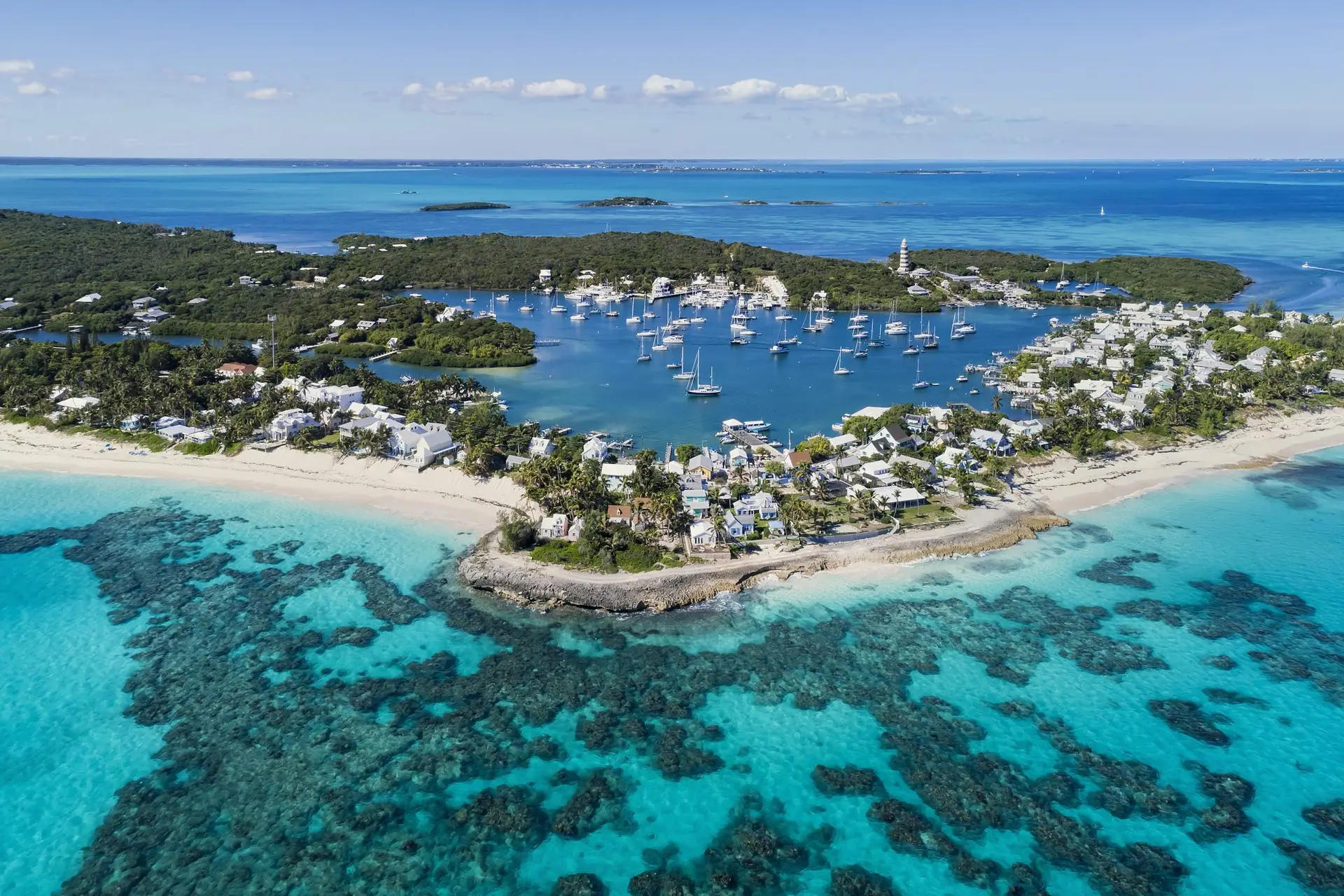
The Bahamas: Zero-Tax Living with Financial Sophistication

The Bahamas imposes no personal income tax, no capital gains tax, and no inheritance tax. While it doesn’t offer citizenship by investment, it does allow permanent residency for those investing $750,000 or more in real estate. Its proximity to the U.S., developed financial sector, and exclusive gated communities make it a favorite for ultra-high-net-worth families seeking tax efficiency without sacrificing lifestyle.

Barbados: Tax Efficiency with Onshore Respectability

Barbados combines low corporate tax (1–5.5%) with strong treaty access and legal infrastructure. It doesn’t offer a citizenship program, but permanent residency is available to property owners. Its high quality of life, international schools, and professional services sector make it especially attractive for those seeking real substance alongside fiscal efficiency.

Antigua & Barbuda: Family-Friendly CBI and Lifestyle Access

Antigua’s citizenship program is one of the most affordable in the world, especially for large families. A donation of $100,000 or a $200,000 real estate purchase qualifies a family of four. The country has no personal income, inheritance, or capital gains tax. It also offers a relaxed lifestyle, English-speaking education, and direct flights to London, New York, and Toronto.

St. Kitts & Nevis: The Gold Standard in Caribbean Citizenship

St. Kitts & Nevis is the birthplace of the citizenship by investment model. It offers one of the fastest, most established programs, with zero personal income, capital gains, or estate tax. Investors can qualify through a $250,000 donation or a $400,000 real estate investment. The Nevis trust system is world-renowned for wealth protection and is used by global family offices and estate planners.

Cayman Islands: Premier Zero-Tax Financial Hub

Cayman is one of the most respected offshore financial centers globally. It offers no direct taxes and unparalleled access to professional services, banks, and legal support. While it doesn’t offer citizenship or CBI, long-term residency is available with a $2.4 million USD property investment. It appeals to investment firms, digital entrepreneurs, and UHNWIs seeking credibility and discretion.

Anguilla: Low-Profile, High-Privacy Residency Option

Anguilla offers a Residency by Investment program starting at just $150,000. It is lesser-known than its neighbors, but attractive to families who value simplicity, safety, and privacy. It is also a British Overseas Territory, which may provide long-term optionality.

St. Lucia: Still Viable, But Losing Ground

St. Lucia still offers a CBI program with options starting at $100,000. But recent increases in pricing and a limited number of quality real estate projects have made it less attractive for wealthier applicants. The country maintains zero inheritance and capital gains taxes, but its competitiveness has diminished compared to more established neighbors.

Structuring the Exit: How to Leave the UK Non-Dom System the Right Way

Establishing Tax Residency Abroad

To successfully leave the UK tax net, families must not only move physically—they must also establish legal, factual, and enduring tax residency abroad. Most jurisdictions require at least 183 days of presence per year. Some offer tax residency certificates or long-term residence permits to solidify one’s new status.

Restructuring Offshore Trusts and Holding Vehicles

UK non-doms have historically used offshore trusts to hold global wealth. But under the new rules, these trusts may become exposed. Families should consider moving trustees to neutral jurisdictions (such as Nevis or Jersey), changing governing law, or redomiciling corporate holding entities. Caribbean trust structures can be used to preserve long-term wealth while staying out of HMRC’s reach.

Managing UK Asset Exposure and Income Flows

Retaining UK assets may continue to attract UK tax. Rental income, dividends, or capital gains from UK-based companies or property will be taxed by HMRC regardless of residency. Families may choose to divest from UK assets, shift income-generating activities abroad, or utilize treaty-based planning where possible. Careful structuring of management fees, royalties, and holding companies is essential.

Building a Coordinated Global Strategy

Exiting the UK requires more than just legal paperwork—it requires coordination across immigration, banking, investment, legal, and tax domains. Families must think through where they live, how they report income, where their trusts are located, and where their assets generate revenue. Advisors in multiple jurisdictions should be engaged to map a fully compliant, long-term plan.

Other Popular Non-Dom Alternatives Outside the Caribbean

While the Caribbean offers some of the most accessible and effective options, other non-dom alternatives continue to attract UK families—especially those looking for EU access, Asian business infrastructure, or Middle Eastern investment opportunities.

United Arab Emirates (UAE): Zero Tax and Global Prestige

The UAE imposes no personal income tax or capital gains tax. With long-term Golden Visas available to investors, property owners, and entrepreneurs, it remains a top destination for HNWIs from the UK and around the world. Dubai in particular has become a hub for crypto investors, private equity professionals, and family offices.

Malta: EU Residency with Remittance-Based Taxation

Malta is one of the last EU countries to offer a remittance basis tax regime. Residents are only taxed on foreign income if it is remitted to Malta. This allows global families to maintain EU presence while legally avoiding tax on most foreign assets. Malta also offers residency and citizenship routes under strict due diligence.

Italy: €100,000 Flat Tax for Foreign Income

Italy’s flat tax regime allows qualifying new residents to pay a flat €100,000 annually on all foreign income. Additional family members can be added for €25,000 each. The regime lasts up to 15 years and offers EU residency along with luxury living in places like Milan, Florence, or Lake Como.

Hong Kong: Territorial Regime for Asia-Based Portfolios

Hong Kong taxes only income sourced within the jurisdiction. Offshore profits, foreign dividends, and capital gains are typically not taxed. For families with Asian investments or business operations, Hong Kong remains a leading low-tax jurisdiction with strong legal and banking systems.

Final Thoughts: From Non-Dom to Global Citizen

The end of the UK non-dom regime represents a turning point—not just for tax policy, but for how global families organize their lives and protect their wealth. For many, it’s a moment of frustration. But for others, it is a strategic opportunity to reassess their jurisdictional footprint and align their structures with long-term goals.

The Caribbean offers more than tax advantages. It offers sovereignty, legal clarity, mobility, and a better quality of life. These are not shortcuts or loopholes. They are sovereign choices—available to those with foresight and the right advisors.

If you are exploring your options as a UK non-dom or advising clients in that position, I can help. My team specializes in cross-border real estate investment, citizenship by investment, offshore trust planning, and tax residency relocation throughout the Caribbean and beyond.
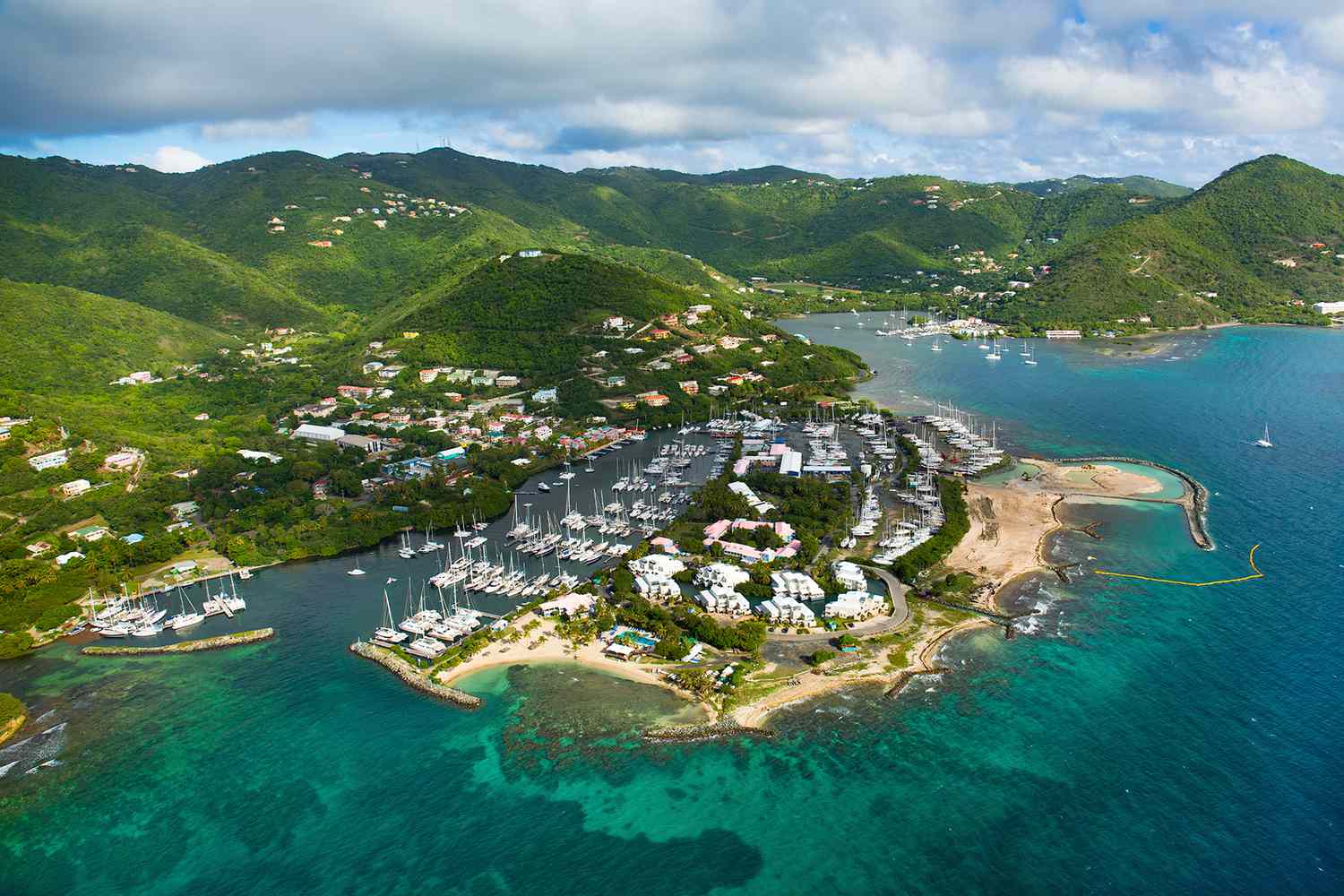
Register Offshore Company: Step-by-Step Guide to Low-Tax Caribbean Jurisdictions

Introduction

Global business is changing fast—and so are the strategies needed to stay competitive, tax-efficient, and secure. For investors, founders, and international consultants, the ability to operate beyond the borders of your home country is no longer just an advantage—it’s a necessity. One of the most effective tools to achieve that is an offshore company.

Registering an offshore company in the Caribbean offers more than just a low-tax structure. It gives you access to legally protected corporate environments, simplified international operations, and a level of privacy and flexibility that onshore jurisdictions increasingly lack.

Whether you’re setting up a holding company, protecting your intellectual property, or optimizing global trade, the Caribbean’s offshore jurisdictions—like the British Virgin Islands, Cayman Islands, Nevis, and St. Lucia—are built for cross-border business. With fast incorporation, world-class legal frameworks, and minimal reporting requirements, these destinations offer proven tools for global scalability and long-term protection.

In this guide, we’ll walk through everything you need to know about forming an offshore company in the Caribbean—from choosing the right jurisdiction and structure to filing, banking, compliance, and beyond. If you’re serious about protecting your assets and expanding your global footprint, this is where you start.

What Is an Offshore Company?

An offshore company is a legal entity incorporated outside the country where its owners reside. These companies are typically formed in low-tax or no-tax jurisdictions and are used for purposes like global trade, IP holding, asset protection, and financial structuring.

Offshore companies are fully legal and widely used by multinational firms, investment managers, solo entrepreneurs, and digital nomads. When structured correctly, they offer legitimate advantages in areas like tax efficiency, privacy, and international business flexibility.

In the Caribbean, most offshore companies fall under two categories: International Business Companies (IBCs) and Limited Liability Companies (LLCs). They’re often exempt from local taxation if income is sourced from outside the jurisdiction.

Benefits of Offshore Companies in the Caribbean

  • Tax Efficiency: Most jurisdictions offer zero corporate tax on foreign-sourced income.

  • Asset Protection: Caribbean laws are built to shield assets from lawsuits, creditors, and political risk.

  • Privacy: Directors and shareholders are not publicly listed in many Caribbean registries.

  • Fast Incorporation: Setup can often be completed within 1–3 business days.

  • Global Reach: Jurisdictions like BVI and Cayman enjoy excellent reputations with banks, funds, and law firms globally.

Choosing the Right Jurisdiction

Choosing where to incorporate offshore isn’t just about picking a tax haven. It’s about aligning the jurisdiction’s legal framework, banking relationships, reputation, and regulatory environment with your business goals—whether that’s asset protection, fund structuring, holding global IP, or simply launching fast with maximum privacy.

Each Caribbean jurisdiction offers distinct advantages. Some are fast and discreet. Others are treaty-rich and compliant. Below is a detailed overview of the most relevant offshore company jurisdictions in the Caribbean, what makes each one unique, and who they’re best suited for.

British Virgin Islands (BVI)

The British Virgin Islands remain the most popular offshore company jurisdiction in the world—and for good reason. The BVI has registered hundreds of thousands of companies due to its well-established IBC framework, zero tax on foreign income, and global credibility.

Companies here are quick to form (1–3 business days), inexpensive to maintain, and widely accepted by international banks and investors. The BVI Financial Services Commission maintains strong oversight, which helps the jurisdiction remain clean and compliant, while still protecting privacy—beneficial owner disclosures are filed privately, not publicly.

BVI is a top pick for holding companies, investment vehicles, and joint venture structures. Its flexibility makes it ideal for founders, funds, and international partnerships needing something lightweight, bankable, and proven.

Best for: Holding companies, startups, investment structures, trust integration.

Cayman Islands

The Cayman Islands is the gold standard for high-end offshore structuring. There are no direct taxes—no corporate income tax, no capital gains tax, no withholding tax—and its legal and regulatory systems are among the most respected in the world.

Cayman is the jurisdiction of choice for institutional-grade entities: hedge funds, venture capital funds, family offices, and investment platforms. The Cayman Exempted Company structure is robust, flexible, and globally recognized. With hundreds of top-tier service providers on the ground, Cayman offers white-glove support for high-value structures.

While setup and maintenance costs are higher than BVI or Nevis, the value lies in Cayman’s brand. If you’re seeking regulatory clarity, strong banking relationships, or investor trust, Cayman delivers.

Best for: Funds, multinational holding companies, institutional investors, UHNW families.

Nevis

Nevis is widely considered the best offshore jurisdiction in the world for asset protection. Its LLC laws are specifically designed to shield companies from lawsuits, creditor claims, and foreign court judgments. It’s the go-to destination for estate planners, real estate investors, and those needing bulletproof wealth structures.

A Nevis LLC does not require the disclosure of ownership or management in public registries. Even if a foreign judgment is obtained, creditors must post a bond (often $100,000+) just to pursue a claim locally—making litigation extremely difficult and costly.

Nevis companies are easy to form, private by default, and often paired with Nevis trusts for even stronger legal protection. If you want to create a protective firewall around wealth, Nevis is unmatched.

Best for: Asset protection, trusts, holding entities, litigation defense.

St. Lucia

St. Lucia offers an excellent balance of efficiency, affordability, and legal protection. It supports both IBCs and LLCs, provides zero tax on foreign income, and incorporates quickly—usually within 2–3 business days. Its banking infrastructure is growing steadily, and local law firms offer reliable ongoing support.

St. Lucia is particularly popular with digital entrepreneurs, consultants, and lean online businesses. You can run a lightweight structure while maintaining control, privacy, and compliance with global standards. With minimal local reporting and affordable maintenance costs, it’s a smart option for those who want offshore capabilities without institutional complexity.

Best for: Digital entrepreneurs, small service firms, IP holding, lean structures.

Anguilla

Anguilla is one of the simplest and most cost-effective offshore jurisdictions in the Caribbean. With zero corporate tax on foreign income, no public registry of owners, and fast incorporation (often same day), it offers clean and efficient company formation without the need for overcomplicated administration.

Anguilla’s IBC structure is ideal for crypto ventures, remote-first businesses, and minimalist holding vehicles. It’s also increasingly used by clients seeking fast formation for time-sensitive launches. While it doesn’t carry the same global prestige as BVI or Cayman, it offers privacy, simplicity, and speed at a very competitive price point.

Best for: Crypto projects, fast-launch companies, small asset holdings, digital firms.

Barbados

Barbados is not a traditional “offshore” haven, but it’s one of the most advanced low-tax jurisdictions in the Caribbean. With corporate tax rates starting as low as 1%, and over 40 tax treaties—including with Canada, the UK, and many EU countries—it provides compliant international tax planning options for mid-to-large firms.

Companies formed in Barbados are treated as tax-resident and must file accounts, which offers credibility with banks and global partners. This is especially valuable for businesses needing legal substance, regional headquarters, or treaty access without the stigma of a zero-tax structure.

Best for: Treaty access, tax-compliant planning, Canadian and UK business owners, substance-based operations.

St. Vincent and the Grenadines

St. Vincent offers simple, low-cost company formation with zero tax on offshore income and strong privacy. Incorporation is fast—usually 1–2 business days—and maintenance is minimal. It’s a niche jurisdiction best suited for entrepreneurs launching small-scale ventures that don’t need global prestige or deep banking relationships.

Its lack of a strong legal brand can be a drawback when dealing with institutional partners, but for cost-sensitive founders or basic corporate structuring, it gets the job done.

Best for: Budget-friendly setups, early-stage businesses, regional ventures.

Antigua & Barbuda

Antigua & Barbuda is an offshore-friendly jurisdiction with growing infrastructure and strong legislation for international companies. Offshore entities benefit from zero corporate tax on foreign income and flexible company structures. Antigua is also a CBI (Citizenship by Investment) destination, allowing some investors to pair their business interests with second citizenship.

While it’s not yet a dominant offshore hub, its legal framework is evolving, and it’s becoming increasingly viable for dual-purpose structures—especially for founders or families who want lifestyle, business, and immigration options all in one country.

Best for: Hybrid citizenship + offshore setups, Caribbean regional planning, mid-sized holding structures.

Step-by-Step: How to Register an Offshore Company in the Caribbean

1. Choose Your Jurisdiction

Match your goals (privacy, asset protection, tax efficiency) with a jurisdiction that fits. For example:

  • Nevis = asset protection

  • BVI = simple, bankable holding company

  • Cayman = fund or institutional-grade structure

2. Reserve a Company Name

Check the name against the registrar to ensure availability. Avoid restricted terms unless licensed (e.g., “Bank,” “Trust”).

3. Prepare Documentation

You’ll need:

  • Certified passport copy and proof of address

  • Company structure and business purpose

  • Articles of Incorporation or M&A

  • Names and roles of directors/shareholders

4. Appoint a Registered Agent

All Caribbean jurisdictions require you to use a local agent or licensed incorporation provider. They’ll handle filings and act as your legal point of contact.

5. File Incorporation Documents

Submit your paperwork to the registrar. Most approvals are processed within 1–3 business days.

6. Open a Corporate Bank Account

This can be done locally or internationally. You’ll need to submit KYC documents, ownership structure, and potentially a business plan or financial forecast.

7. Pay Government Fees and Get Your Certificate

Once registered, you’ll receive your certificate of incorporation and company number. Pay any license fees or annual maintenance costs.

Post-Registration Requirements

Understanding post-registration requirements ensures your offshore company setup complies with regulatory standards and operates smoothly within selected offshore jurisdictions.

Compliance and Reporting Obligations

Adherence to local regulations is vital for maintaining the status of your offshore company. Most offshore jurisdictions, such as the British Virgin Islands and the Cayman Islands, require annual compliance measures. For example, you may need to file reports, including financial summaries or declarations of solvency.

Some jurisdictions may mandate annual licence fees or renewal fees to maintain business registration. Failure to meet these obligations can result in penalties or even company suspension. Anti-money laundering (AML) and counter-terrorism financing (CTF) compliance are critical, particularly in Caribbean offshore entities. Conduct regular audits of operations to ensure compliance with these standards.

When appointing a registered agent or management service provider, confirm they are licensed and knowledgeable about the jurisdiction’s reporting framework. Their expertise can streamline submissions and provide additional assurance of legal conformity.

Maintaining Corporate Records

Keeping detailed records is a statutory obligation for offshore company owners. Maintain a register of directors, shareholders, and any significant control parties as required by local laws. Some jurisdictions also expect records of meetings, resolutions, and changes in company structure to be documented and updated.

Store these records within the registered office or an approved location, as offshore jurisdictions typically require access for authorities upon request. Standard documents, such as the Memorandum of Association and Articles of Association, must remain up to date. Ensure amendments to corporate documents or changes in directorship are promptly filed.

Digital copies of key records can offer additional security while aligning with modern record-keeping standards. Collaborate with authorised service providers to manage these records efficiently and ensure compliance across all operational years.

Leveraging Offshore Companies for Tax Planning and Asset Protection

Strategically using offshore companies enhances tax planning opportunities and asset protection. In jurisdictions such as the Bahamas and Nevis, you can benefit from tax-neutral regulations, reducing the overall tax burden on earnings and investments.

Asset protection is a core advantage of an offshore company setup. These entities often provide legal safeguards against claims or unforeseen liabilities, with robust privacy protections in place. For example, the Caribbean offshore jurisdictions uphold beneficial ownership confidentiality laws, shielding personal asset details from public registers.

Work with financial advisors and legal experts to structure operations for optimal tax benefits while avoiding conflict with international tax treaties. Diversify investment portfolios through these entities to secure assets globally under favourable legal frameworks. Offshore service providers can further assist in maximising these advantages by recommending compliant tax strategies.

Other Global Jurisdictions (Outside the Caribbean)

Hong Kong

Hong Kong is one of the most established international business hubs in Asia and remains a powerful jurisdiction for offshore companies involved in trade, e-commerce, and regional holdings. With a territorial tax system, companies only pay tax on income sourced within Hong Kong, making it possible to enjoy zero tax on properly structured offshore profits. The legal system is based on English common law, and the banking infrastructure is world-class. However, increased political integration with mainland China has raised scrutiny, and business owners should be prepared for higher compliance standards—including mandatory audits, a public register of directors, and more detailed KYC protocols. Despite this, Hong Kong remains a strong and respected base for Asian operations with high credibility.

Panama

Panama continues to attract offshore incorporators thanks to its low-cost IBC regime, strategic location, and solid banking options both within and outside the jurisdiction. Companies incorporated in Panama pay no local tax on income earned abroad, and the process is fast and relatively private. It remains especially useful for international logistics firms, Latin American entrepreneurs, and trade-oriented holding companies. That said, since the Panama Papers revelations, global scrutiny has increased. Many international banks and compliance officers now treat Panama-based companies with more caution. If privacy is a priority but you still want to bank globally, Panama may require pairing with a secondary jurisdiction.

UAE (RAK, Dubai, JAFZA)

The United Arab Emirates (UAE) has become a top-tier destination for offshore company formation, especially in the fintech, crypto, and Middle East–Africa corridor. Free zones like Ras Al Khaimah (RAK) and Jebel Ali (JAFZA) offer zero tax, high-end infrastructure, and strong regulatory support. Companies registered here can access top international banks and enjoy visa/residency options as part of the package. The UAE’s reputation has risen significantly in recent years, particularly among digital entrepreneurs and tech founders. While the setup cost is higher than in Caribbean jurisdictions, the access to capital, global connections, and operational prestige make the UAE one of the most compelling offshore bases today.

Malaysia (Labuan)

Labuan is Malaysia’s international financial center, offering a low-tax offshore regime with access to over 70 tax treaties. With a 3% tax on trading income and exemption on non-trading income, Labuan companies are ideal for financial services, fintech, and cross-border consulting businesses operating across Asia-Pacific. Incorporation is straightforward, and light substance requirements make compliance easier than in other treaty-access jurisdictions. Labuan also provides banking access through Malaysia’s robust financial system and offers strong privacy protections for beneficial owners. For those wanting both legitimacy and flexibility in Asia, Labuan is an underrated but effective choice.

Cyprus

Cyprus stands out as an EU jurisdiction with low taxes and deep treaty coverage. It offers a 12.5% corporate tax rate, one of the lowest in Europe, and is especially effective for holding companies, IP structures, and investment vehicles looking to access European markets. Cyprus companies can hold EU assets, issue invoices within the bloc, and participate in cross-border M&A with tax efficiency. The jurisdiction requires some local substance—such as an office, local director, and compliance filings—and beneficial owners are disclosed publicly. Despite that, the level of international credibility, paired with a cooperative regulatory regime, makes Cyprus one of the best “mid-shore” options available.

Estonia

Estonia is the global pioneer of e-Residency and online incorporation, offering 0% tax on retained earnings and a fully digital company formation process. It’s a favorite among tech founders, remote teams, and SaaS businesses due to its operational simplicity and EU legitimacy. Estonian companies pay corporate tax only when profits are distributed, encouraging reinvestment and growth. While transparency is high (director and shareholder data is public), this makes Estonia one of the cleanest and most compliant jurisdictions in Europe. It’s not the best fit for those prioritizing privacy or banking secrecy, but for digital entrepreneurs who value speed and structure, Estonia is extremely attractive.

Georgia

Georgia is quickly gaining ground as a low-regulation, entrepreneur-friendly jurisdiction on the edge of Europe and Asia. Offshore companies here benefit from fast, low-cost incorporation and very few restrictions on foreign ownership or banking. The country offers favorable tax rates, simplified compliance, and visa-free travel for many nationalities. It doesn’t carry the prestige of a Cayman or Cyprus structure, but it’s a practical, agile solution for small teams, solo founders, and location-independent consultants looking for flexibility and autonomy without the overhead.

Conclusion

Offshore companies aren’t just about taxes—they’re about flexibility, control, and future-proofing your wealth and operations.

Whether you’re optimizing income, protecting assets, or expanding internationally, a Caribbean offshore company gives you legal tools to do it right. Jurisdictions like BVI, Nevis, and Cayman are proven, respected, and efficient. And if your needs point elsewhere, options like UAE, Estonia, or Cyprus give you specialized structures suited for modern business.

With the right jurisdiction and a solid provider, you can set up in days and unlock long-term advantages. Offshore isn’t just smart—it’s essential.

Antigua Tax Haven: A Guide to Tax-Free Living for Global Investors

When you think of Antigua, pristine beaches and turquoise waters might come to mind, but this Caribbean gem is also a renowned tax haven. With its favourable tax policies and business-friendly environment, Antigua has become a hotspot for entrepreneurs, investors and global corporations seeking financial advantages. Its strategic location and stable economy only add to its appeal.

Setting up a business or managing assets in Antigua offers more than just tax benefits. You’ll find streamlined regulations, confidentiality and access to international markets, making it an attractive destination for wealth management. Whether you’re looking to reduce your tax burden or diversify your financial portfolio, Antigua provides a compelling solution.

The island’s reputation as a tax haven isn’t just about low taxes—it’s about creating opportunities. By leveraging Antigua’s policies, you can unlock financial growth while enjoying the perks of operating in one of the world’s most idyllic locations.

Tax-Free Living in Antigua: Tax Haven for Investors

Antigua’s tax policies make it a highly attractive destination for individuals and businesses seeking financial optimisation. Its combination of zero personal income tax and offshore-friendly regulations enhances its reputation as a leading tax haven.

Introduction to Antigua as a Tax Haven

Antigua offers unparalleled tax benefits, drawing investors and entrepreneurs from across the globe. Known for living tax-free in the Caribbean, it provides an environment with no capital gains tax, wealth tax, or inheritance tax.

The absence of restrictions on foreign currency movements supports offshore tax planning by making international transactions seamless. Its robust financial infrastructure fosters ease of business operations and private wealth management, positioning Antigua as a premier tax haven.

Overview of Antigua’s Territorial Tax System

Antigua operates a territorial tax system, which means only income earned locally is subject to taxation. Foreign-sourced income, including dividends and investment returns, remains entirely tax-free for residents.

This tax system encourages global investors to channel their earnings through Antigua. By establishing residency under the Antigua residency program, you can legally avoid paying tax on worldwide income. Businesses also thrive here due to the lack of double taxation agreements with key markets.

Antigua’s Appeal for High-Net-Worth Individuals

Antigua’s tax policies appeal particularly to high-net-worth individuals. Its zero-tax regime on foreign revenue perfectly complements strategies for offshore tax planning.

Residency status offers asset protection, confidentiality, and ease of estate planning. The Antigua residency program simplifies this process for individuals seeking long-term settlement while maintaining tax-free income from global investments.

Tax Advantages of Living in Antigua

Antigua offers an appealing combination of a picturesque Caribbean lifestyle and significant financial incentives. Its territorial tax system allows for tax optimisation, especially for global investors and high-net-worth individuals.

0% Tax on Foreign-Sourced Dividends and Investment Income

You benefit from Antigua’s territorial tax framework, as only locally sourced income is taxable. Foreign-sourced dividends and investment income are entirely tax-free, making it an ideal location for offshore tax planning. For instance, if you earn income through overseas investments, such as real estate, stocks, or businesses, Antigua imposes no tax on those earnings.

This policy supports individuals seeking to minimise their global tax burden. Combined with the absence of foreign currency restrictions, it facilitates seamless international revenues without punitive levies. Many residents enjoy living tax-free in the Caribbean while maintaining diversified portfolios abroad. Antigua’s residency program enhances these advantages, giving you full access to these favorable benefits.

Exemptions on Capital Gains and Inheritance Taxes

Capital gains and inheritance taxes are non-existent in Antigua, providing a crucial edge for wealth preservation. If you sell assets, such as property or shares, you won’t face capital gains taxation. This ensures maximised profits from your investments and eliminates the need for complex tax strategies.

Inheritance tax exemptions further protect your estate. If you’re planning intergenerational wealth transfer, your heirs avoid burdensome tax obligations. This factor reinforces Antigua’s status as a tax haven attraction for families, retirees, and global entrepreneurs. Affiliation with the Antigua residency program amplifies these tax benefits, ensuring smooth and tax-efficient wealth management and estate planning.

Tax Residency Options in Antigua

Antigua’s residency options offer strategic avenues for tax optimisation, providing a blend of tax benefits and a premier Caribbean lifestyle. The island’s tax policies cater to global investors and high-net-worth individuals seeking to streamline their finances.

Antigua Citizenship by Investment Program

The Antigua Citizenship by Investment Program (CIP) provides an efficient route to obtain citizenship and access tax benefits in Antigua. This program appeals to individuals aiming to optimise their global tax strategies and secure a second citizenship. By contributing to the National Development Fund (minimum $100,000 for a single applicant) or investing in approved real estate (minimum $200,000), you can qualify.

The program enables you to reside in Antigua and benefit from its territorial tax system. Under this framework, foreign-sourced dividends and investment income remain entirely tax-free, enhancing offshore tax planning opportunities. Additionally, the lack of personal income tax ensures you can achieve financial efficiency while enjoying the benefits of dual citizenship. Processing times for applications are approximately 3-4 months, granting swift access to these advantages.

Antigua’s Flat-Tax Program

The flat-tax program in Antigua offers a straightforward structure for tax contributions. This option is tailored for individuals with global investment portfolios or high earnings outside the island. A fixed annual tax of $20,000 applies under this regime, simplifying tax planning, especially for those pursuing living tax-free in the Caribbean.

Participation in the flat-tax program complements the territorial tax system by shielding foreign-sourced income from taxation. It’s particularly advantageous for entrepreneurs or retirees with global financial assets. The predictable flat rate eliminates uncertainties, allowing effective wealth management while you enjoy Antigua’s tax-friendly environment.

Eligibility and Application Process

Antigua residency program eligibility involves a streamlined process designed to facilitate applicants. You must demonstrate financial self-sufficiency by verifying stable income or assets and pass a basic due diligence check. This process typically requires submitting personal documentation, such as passports, proof of income, and police records.

Applications for residency or the Citizenship by Investment Program proceed through licensed agents approved by the government. Residency approval grants access to Antigua’s territorial tax benefits and the opportunity to optimise your offshore tax planning. Processing fees and investment thresholds may vary, but the system ensures transparency and ease of access for qualified applicants. The entire process, from submission to approval, often takes no longer than six months.

Offshore Tax Planning in Antigua

Antigua’s favourable tax landscape attracts investors and entrepreneurs for efficient offshore tax planning. Its territorial tax system and residency options provide significant advantages for wealth preservation and global investment strategies.

Setting Up Offshore Accounts and Trusts

Setting up offshore accounts and trusts in Antigua enhances asset protection and privacy. These structures are instrumental for estate planning, shielding your assets from external claims or regulatory scrutiny. Offshore trusts in Antigua provide confidentiality due to the jurisdiction’s strict legal framework, ensuring minimal disclosure requirements.

With no inheritance or wealth tax, Antigua offers a strategic environment for intergenerational wealth transfer. For example, families can establish trusts to allocate assets efficiently while benefiting from tax exemptions. Offshore accounts also simplify managing international investments, supported by the absence of currency movement restrictions. This facilitates seamless transactions and secure storage of wealth.

Combining these structures with Antigua’s territorial tax system ensures that foreign-sourced income remains tax-free. This complements individual or corporate strategies aimed at minimising global tax liabilities while maintaining compliance with international regulations.

Leveraging Antigua’s Tax Policies for Global Investments

The territorial tax framework lets you optimise returns from global investment portfolios. In Antigua, only locally sourced income is subject to taxation, allowing foreign-sourced dividends and investment income to remain untaxed. This feature suits high-net-worth individuals focused on living tax-free in the Caribbean while pursuing global financial growth.

The absence of capital gains tax amplifies investment opportunities. Investors benefit from retaining entire profits on international equity sales or property investments. Diversified global portfolios thrive under Antigua’s tax policies, as the jurisdiction encourages both individual and corporate expansion.

Pairing these advantages with the Antigua residency program enhances access to strategic tax benefits. This program allows you to enjoy tax exemptions while benefiting from the country’s stable economy and streamlined regulatory processes. By aligning tax planning with global investments, Antigua strengthens its position as a premier jurisdiction for financial efficiency.

Quality of Life for Residents in Antigua

Residents in Antigua enjoy a high standard of living, blending luxury, community, and financial advantages. The island’s setting and amenities offer both comfort and a strategic base for global investment and wealth preservation.

Real Estate Opportunities and Luxury Living

Property in Antigua offers investment potential and access to an upscale lifestyle. Luxury villas, beachfront homes, and gated communities are available, catering to varying preferences. Prime locations include Jolly Harbour and English Harbour, known for waterfront properties and modern amenities.

Ownership enhances your quality of life through access to private beaches, pools, and wellness centres. Many residential developments are situated near marinas, ideal for those engaging in yachting or other watersports.

The Antigua residency program allows direct access to these upscale real estate opportunities. Combining this with the island’s tax-free status on global income strengthens its appeal for investors seeking both living tax-free in the Caribbean and property value appreciation.

Community and Expat Lifestyle Benefits

Living in Antigua fosters connections within a vibrant and inclusive society. A growing expatriate population has established supportive networks through associations and clubs. These groups organise events, offering opportunities for networking and cultural exchange.

Antigua’s stable infrastructure supports an international lifestyle with top-tier healthcare, private schools, and modern utilities. Residents can enjoy local markets, fine dining, and wellness retreats, which enhance daily living.

Social benefits are complemented by financial advantages. Antigua’s lack of taxes on foreign-sourced dividends and investment income promotes fiscal stability. Access to the offshore tax planning environment meets the needs of investors and entrepreneurs pursuing financial growth while maintaining a relaxed lifestyle.

Conclusion

Antigua offers an unmatched combination of financial advantages and an idyllic Caribbean lifestyle. Its tax policies create opportunities for wealth preservation, global investment growth, and intergenerational planning, while the residency and citizenship programmes provide a straightforward path to these benefits.

Whether you’re an entrepreneur, investor, or retiree, Antigua’s tax haven status, coupled with its luxury living and supportive community, ensures you can enjoy both economic efficiency and a high quality of life. It’s a destination where financial optimisation meets tropical paradise.

CARICOM Caribbean Community: Unity, Collaboration, and Progress in the Caribbean Region

The CARICOM Caribbean Community is more than just a regional organization; it’s a powerful force uniting 15 member states across the Caribbean. Whether you’re exploring its role in fostering economic integration or its commitment to addressing shared challenges, CARICOM plays a vital part in shaping the region’s future. It’s a hub for collaboration that strengthens ties between its diverse nations.

You’ll find CARICOM at the heart of initiatives promoting trade, sustainable development, and cultural exchange. From tackling climate change to enhancing regional security, this community works tirelessly to improve the lives of its citizens. It’s a testament to what can be achieved when countries come together with a shared vision.

Understanding CARICOM’s impact isn’t just about politics or economics—it’s about how it touches everyday life. Its efforts drive progress in education, healthcare, and tourism, ensuring a brighter future for the Caribbean and its people.

CARICOM Countries: A Closer Look at Regional Collaboration

The Caribbean Community (CARICOM) demonstrates the strength of regional collaboration through shared efforts in trade, education, health, and sustainable development. By addressing collective challenges, CARICOM countries work toward creating a unified and resilient Caribbean.

Introduction to CARICOM and Its Objectives

CARICOM is a regional initiative fostering economic integration and cooperation among its 15 member states, including Barbados, Jamaica, and Trinidad and Tobago. Established in 1973 through the Treaty of Chaguaramas, CARICOM promotes the collective development of the region’s people while respecting each nation’s sovereignty. Coordination among these CARICOM members strengthens their global presence and addresses mutual concerns like climate change and economic disparity.

The organization’s objectives include enhancing free trade, improving living standards, and fostering cultural exchange between nations. CARICOM organizations facilitate this collaboration by creating policies and programs that address critical areas such as public health, renewable energy, and education reform. Through mutual cooperation, CARICOM countries leverage their shared resources to achieve long-term growth.

What is CARICOM?

CARICOM, or the Caribbean Community, is a political and economic union of Caribbean nations working together to develop the region. It comprises 15 full members and five associate members, representing both island nations and mainland territories like Belize. CARICOM countries collaborate to strengthen their economies, develop regional strategies, and respond collectively to global issues.

The Secretariat, headquartered in Guyana, functions as the administrative backbone, coordinating decisions made by member states. CARICOM organizations play vital roles in specialized sectors, such as the Caribbean Public Health Agency (CARPHA) in health and the Caribbean Examination Council (CXC) in education. As a unifying entity, CARICOM encourages collective efforts to overcome obstacles like trade barriers and natural disasters, bolstering regional resilience.

Goals of the Caribbean Community

CARICOM’s goals center on deepening economic ties, improving citizens’ well-being, and fostering social and cultural cohesion. Initiatives include the CARICOM Single Market and Economy (CSME), which facilitates the free movement of goods, services, and skilled labor across member states like St. Lucia, Suriname, and Dominica. This economic integration boosts competitiveness and creates opportunities for local businesses.

In health, CARICOM promotes collaborative approaches to combat diseases and improve access to healthcare services. Education initiatives focus on harmonizing academic standards through organizations like CXC. CARICOM countries also advocate for environmental sustainability, advancing renewable energy adoption and disaster risk management.

By supporting such objectives, CARICOM fosters unity and shared progress among its diverse members.

Historical Background of CARICOM

CARICOM, established in 1973 through the Treaty of Chaguaramas, evolved from earlier regional efforts to promote collaboration. The Caribbean Free Trade Association (CARIFTA), founded in 1965, served as its immediate predecessor, focusing on fostering economic integration among Caribbean nations. CARICOM’s creation marked a shift toward a more unified approach, addressing broader regional issues beyond trade.

Its founding members included Barbados, Guyana, Jamaica, and Trinidad and Tobago, with additional nations joining over time to form 15 full member states. These CARICOM members represent a diverse group of countries, varying in size, economy, and culture, yet sharing common regional goals. This diversity underlines the organization’s mission to support the collective progress of the Caribbean Community.

Through its history, CARICOM has played a pivotal role in uniting member states to tackle challenges such as trade barriers, poverty, and economic disparities. Initiatives like the CARICOM Single Market and Economy (CSME) exemplify the organization’s long-term commitment to creating a seamless economic space, enabling the free movement of goods, services, capital, and skilled labor. These efforts reflect CARICOM’s ongoing strategy to strengthen the economic foundations of the region.

Education and health have been central to CARICOM’s collaborative agenda. Regional projects like the Caribbean Examinations Council (CXC) standardize education systems, ensuring equal opportunities across CARICOM countries. In health, initiatives such as PANCAP (Pan Caribbean Partnership Against HIV and AIDS) demonstrate how member states join forces to address critical public health issues. Cooperation in these areas highlights CARICOM’s commitment to improving quality of life for its citizens.

CARICOM has also emphasized cultural unity, fostering connections through sports, music, and arts. Events like CARIFESTA (Caribbean Festival of Arts) serve as platforms for cultural exchange and cooperation among the member states. These efforts strengthen the bonds within the Caribbean Community, reinforcing a shared identity amid their diversity.

Membership and Structure of CARICOM

CARICOM consists of 15 member states and five associate members, encompassing a diverse range of territories within the Caribbean. The member states include Antigua and Barbuda, The Bahamas, Barbados, Belize, Dominica, Grenada, Guyana, Haiti, Jamaica, Montserrat, Saint Kitts and Nevis, Saint Lucia, Saint Vincent and the Grenadines, Suriname, and Trinidad and Tobago. Associate members include Anguilla, Bermuda, the British Virgin Islands, the Cayman Islands, and the Turks and Caicos Islands.

The governing structure of CARICOM ensures effective decision-making and regional collaboration. The Conference of Heads of Government, the highest decision-making body, provides policy direction and oversees the implementation of the organization’s objectives. The Community Council of Ministers, the second-tier decision-making body, focuses on strategic coordination among CARICOM members.

The Secretariat, headquartered in Georgetown, Guyana, serves as the principal administrative body. It coordinates initiatives across trade, education, and health while facilitating discussions among member states. CARICOM organizations, such as the Caribbean Development Bank and the Caribbean Examinations Council, support the region’s development by implementing specialized programs.

Functional cooperation among CARICOM countries strengthens regional ties. Programs in education, like the Caribbean Examinations Council, standardize academic benchmarks, while health initiatives such as the Pan Caribbean Partnership Against HIV and AIDS improve public health. Trade frameworks, including the CARICOM Single Market and Economy, enhance economic integration by enabling the free movement of goods, services, and people.

Collaborative efforts extend to disaster management, cultural exchange, and sustainable development. Events like CARIFESTA promote cultural unity, reflecting CARICOM’s commitment to fostering shared identity within the Caribbean community. Through its initiatives, CARICOM reinforces regional solidarity while addressing common challenges across its diverse membership.

Key Areas of Regional Collaboration

The Caribbean Community (CARICOM) advances regional unity through cooperation in critical sectors. Collaboration fosters shared growth among CARICOM countries, addressing economic, educational, health, and environmental priorities.

Trade and Economic Integration

Efforts to integrate trade and economies enhance economic resilience among CARICOM members. Through the CARICOM Single Market and Economy (CSME), nations gain seamless access to goods, services, capital, and skilled labor. This initiative supports intra-regional trade and stimulates economic diversification to reduce reliance on external markets.

CARICOM also works toward uniform trade policies, enabling fair competition among member states. By addressing barriers like tariffs and regulations, these measures protect smaller economies in CARICOM countries. Partnerships with external organizations foster access to global markets, strengthening the regional economy.

Education and Skills Development Initiatives

Education reforms across CARICOM members support regional human capital growth. Programs such as the Caribbean Examinations Council (CXC) standardize assessments, ensuring students receive globally recognized qualifications. These initiatives facilitate mobility for citizens pursuing careers or higher education.

Skills development programs focus on vocational training in industries like tourism and agriculture. Institutions collaborate to harmonize curricula, meeting the region’s workforce demands. By investing in education, CARICOM supports sustainable development through a skilled, adaptable workforce.

Healthcare Programs Across Member States

CARICOM countries address regional healthcare challenges by uniting efforts. Programs like the Pan Caribbean Partnership Against HIV and AIDS (PANCAP) tackle epidemics, strengthening public health outcomes. Collaborative mechanisms streamline the procurement of medical supplies, ensuring access to essential resources for all member states.

Regional institutes promote research into diseases affecting Caribbean populations. By sharing expertise, CARICOM organizations enhance healthcare standards. Initiatives also focus on preventive measures, improving long-term well-being across the Caribbean Community.

Environmental and Sustainable Development Efforts

Sustainability initiatives demonstrate CARICOM’s commitment to environmental preservation. Projects focus on addressing climate change risks, such as rising sea levels and extreme weather events. Disaster risk management, including early warning systems, protects communities in vulnerable regions.

CARICOM countries collaborate on renewable energy projects to transition toward greener economies. Reforestation and conservation programs preserve vital ecosystems, ensuring biodiversity protection. These efforts secure sustainable development for CARICOM members, enhancing regional resilience.

Advantages of Strengthening Regional Collaboration

Strengthening collaboration within the Caribbean Community CARICOM supports shared progress and ensures resilience in addressing regional challenges. These efforts provide significant benefits economically, socially, and globally.

Economic Growth and Stability

CARICOM countries benefit from deeper economic integration, which fosters growth and resilience. Initiatives like the CARICOM Single Market and Economy (CSME) enable the free movement of goods, services, capital, and skilled labor across member states. This access boosts business opportunities and reduces import dependency, particularly for smaller economies.

Collective trade policies protect local industries and enhance bargaining power in global negotiations. By minimizing trade barriers among CARICOM members, regional production networks are strengthened. For example, sectors like agriculture, manufacturing, and tourism gain expanded markets and shared resources, leading to enhanced profitability and job creation.

Investment opportunities increase with pooled economic resources and harmonized regulations. Shared financial systems and collaborations attract foreign direct investments, which promote infrastructure development and regional stability.

Enhanced Global Competitiveness

Unified regional actions position CARICOM countries to compete effectively on the global stage. Collaborative trade policies allow for a stronger collective presence in international markets, particularly for exports like Caribbean agricultural products and manufactured goods.

Standardization across CARICOM members reduces inefficiencies and streamlines the production process. For instance, common product certification systems ensure international compliance, boosting the competitiveness of regional exports.

Strategic partnerships with global organizations further strengthen the region’s global reach. By presenting a unified voice in international forums, CARICOM organizations secure better cooperation on global issues like climate change, trade agreements, and regional security, elevating the influence of the Caribbean beyond individual member capabilities.

Social and Cultural Benefits

Enhanced collaboration amplifies social and cultural ties across CARICOM countries. Regional health initiatives, such as the Pan Caribbean Partnership Against HIV and AIDS (PANCAP), improve public health outcomes by addressing shared challenges and promoting resource sharing.

Educational programs like the Caribbean Examinations Council (CXC) create consistent academic standards. These initiatives enhance opportunities for students and make career mobility seamless within member states.

Cultural exchange further unites CARICOM members, fostering a shared Caribbean identity. Events like CARIFESTA highlight the diversity and richness of the region’s cultures, strengthening regional bonds and promoting Caribbean arts on a global stage. By prioritizing these social initiatives, regional collaboration nurtures unity and enhances the well-being of the Caribbean community.

Future Outlook for CARICOM

CARICOM’s future hinges on addressing challenges while leveraging opportunities to achieve deeper regional unity. As the Caribbean Community evolves, efforts focus on strengthening ties among CARICOM members through enhanced collaboration and innovative strategies.

Potential Challenges and Opportunities

CARICOM faces economic, environmental, and governance challenges. Economic disparities among CARICOM countries, like the differences in GDP between larger and smaller states, create uneven development. Vulnerability to climate change impacts, including hurricanes and rising sea levels, threatens socio-economic stability, particularly for island nations. Limited access to financial resources and global trade competition also constrain growth.

Despite these obstacles, opportunities exist. Expanding the CARICOM Single Market and Economy (CSME) can boost trade and attract investments. Prioritizing renewable energy initiatives reduces dependency on fossil fuels, tackling environmental concerns. Strengthening partnerships with global organizations enhances technical and financial support for disaster resilience and economic diversification. Leveraging CARICOM organizations facilitates unified strategies to address shared challenges and pursue sustainable development goals.

Vision for Deeper Integration and Cooperation

Deeper integration among CARICOM members aims to create a more unified and resilient Caribbean Community. Expanding free movement of people and services within CARICOM countries under the CSME strengthens economic ties and fosters job creation. Harmonizing trade policies and legal frameworks encourages smoother cross-border operations. Collaborative educational reforms, such as advancing standardized curricula through the Caribbean Examinations Council (CXC), improve academic mobility and workforce competence.

In health, scaling regional initiatives like the Pan Caribbean Partnership Against HIV and AIDS (PANCAP) ensures equitable access to healthcare. Promoting cultural exchange programs, including events like CARIFESTA, reinforces shared Caribbean identity. By fostering innovation, sustainable practices, and socio-economic collaboration, CARICOM enhances its collective strength and global competitiveness.

Conclusion

CARICOM represents a powerful force for unity and progress in the Caribbean, driving collaboration across diverse nations to address shared challenges and create opportunities. Its commitment to economic integration, cultural exchange, and sustainable development strengthens regional ties and fosters resilience.

As CARICOM continues to evolve, its focus on innovation, collective action, and deeper integration ensures a brighter future for its member states. By working together, the Caribbean Community builds a stronger, more unified region that benefits all its citizens.


Saint Kitts and Nevis Citizenship by Investment: The Grandfather of Investment Migration

Imagine gaining a second passport that opens doors to global mobility, tax advantages, and a tropical paradise. Saint Kitts and Nevis Citizenship by Investment offers you just that—a chance to secure citizenship in one of the Caribbean’s most stunning twin-island nations. With its streamlined process and established reputation, it’s become a top choice for investors worldwide.

Whether you’re seeking visa-free travel to over 150 countries, financial diversification, or a safe haven for your family, this program provides unmatched benefits. Saint Kitts and Nevis stands out not only for its breathtaking landscapes but also for its commitment to offering a straightforward and efficient path to citizenship.

By investing in real estate or contributing to a government fund, you can unlock a wealth of opportunities while enjoying the charm of island living. It’s more than a passport—it’s a gateway to freedom and security for your future.

St. Kitts and Nevis: The Grandfather of Citizenship by Investment

The St. Kitts and Nevis Citizenship by Investment program is the oldest and most established program of its kind. It has been a pioneer in providing a gateway to global mobility, tax optimization, and personal freedom.

The World’s Oldest Citizenship by Investment Program

Established in 1984, the St. Kitts and Nevis citizenship program is recognized as the first-ever Citizenship by Investment initiative. It continues to maintain its position as a trusted and reputable choice for investors. The program paved the way for other nations to adopt similar models, offering individuals the chance to acquire dual citizenship through strategic investments.

Two primary investment options exist for obtaining Saint Kitts citizenship. You can contribute a minimum of $125,000 to the Sustainable Growth Fund (SGF) or invest at least $200,000 in pre-approved real estate. Both options ensure due diligence checks, making the program secure and compliant with international standards. Its reputation as a trailblazer attracts families and individuals seeking robust investment migration solutions.

How St. Kitts and Nevis Set the Standard for Investment Migration

St. Kitts and Nevis citizenship programs have set benchmarks for efficiency, flexibility, and global access. Investors acquiring Saint Kitts and Nevis citizenship through this program gain visa-free or visa-on-arrival access to over 150 countries, including the EU and the UK. Its fast-track processing, often completed within 60 days, has redefined practical application timelines.

This Caribbean nation also introduced measures ensuring economic benefits for citizens and investors alike. Reduced taxes and no global income, inheritance, or capital gains taxes make it especially attractive for wealth planning. By combining these advantages, St. Kitts citizenship has influenced a global shift towards residency and investment migration opportunities, delivering security and mobility in an ever-changing world.

Investment Options for Citizenship

The St. Kitts and Nevis citizenship by investment program provides two primary pathways for obtaining citizenship: real estate investments and contributions to the Sustainable Growth Fund (SGF). Additional approved options also exist, diversifying opportunities for investors seeking global mobility and security.

Real Estate Investment Opportunities

Investing in pre-approved real estate opens a pathway to St. Kitts citizenship. A minimum investment of $200,000 is required, which must be held for at least seven years. Alternatively, a $400,000 investment held for five years provides additional flexibility. Real estate options include luxury villas, condominiums, and resort developments.

This option appeals to those seeking high-value assets with potential for appreciation, rental income, or lifestyle advantages in the Caribbean. You gain access to visa-free travel to over 150 destinations while acquiring prime property that aligns with international standards.

Sustainable Growth Fund (SGF) Contributions

The SGF option involves a non-refundable contribution to Saint Kitts and Nevis. A single applicant contributes $125,000, and family packages begin at $170,000 for up to four members. Additional dependents require supplementary payments starting at $10,000.

This route is designed for individuals who prioritize efficiency and cost-effectiveness over asset acquisition. Processing times are often faster, with applications finalized within 60 days under the Accelerated Application Process.

Other Approved Investment Routes

Saint Kitts citizenship also offers indirect investment avenues, including government-approved entrepreneurial ventures or public infrastructure projects. While less common, these opportunities allow contributions to developments that boost the nation’s economy.

Strategic partnerships occasionally expand investment paths, appealing to specific industries or philanthropic interests. Ensure compliance with program guidelines by consulting licensed program agents. This ensures security and alignment with the program’s regulatory standards.

Benefits of St. Kitts and Nevis Citizenship

Obtaining St. Kitts and Nevis citizenship through investment offers a wide range of advantages. This global mobility program, combined with tax planning opportunities and Caribbean lifestyle benefits, ensures security and freedom for you and your family.

Global Mobility and Visa-Free Travel

St. Kitts and Nevis citizenship guarantees access to visa-free or visa-on-arrival travel to over 150 countries. This includes the European Union, the United Kingdom, Singapore, and Hong Kong. By securing this passport, you eliminate frequent visa applications, simplifying international business and leisure trips.

Dual citizenship is allowed. Retaining your original nationality ensures you maximize the benefits of both as you expand your global reach. This feature makes St. Kitts citizenship ideal for entrepreneurs, investors, and frequent travelers seeking international convenience.

Fast-track processing, available within 60 days, further enhances your ability to travel quickly with minimal delays. Once approved, your St. Kitts and Nevis citizenship provides one of the most respected passports in the Caribbean for ease of travel.

Tax Planning and Asset Protection

Saint Kitts citizenship provides significant tax benefits. The country imposes no taxes on global income, wealth, inheritance, or capital gains. These tax policies help you safeguard your assets, making it an attractive option for wealth planning and protection.

You can also benefit from a stable banking system. With Saint Kitts and Nevis being part of the Eastern Caribbean Central Bank framework, it delivers reliable financial systems for secure transactions and asset management.

Tax residency isn’t required. With no obligation to reside in Saint Kitts and Nevis, you retain flexibility while benefiting from the favorable tax framework. For high-net-worth individuals, the program supports international planning without affecting day-to-day operations or obligations.

Lifestyle and Business Opportunities in the Caribbean

Saint Kitts and Nevis offer an idyllic lifestyle and an appealing environment for business expansion. This twin-island federation boasts moderate year-round temperatures, pristine beaches, and luxurious accommodations, ensuring a high quality of life for you and your family.

The real estate market provides a unique avenue for residency and investment. By investing in properties, such as luxury resorts or condominiums, you gain opportunities for appreciation, rental income, and ownership in one of the most sought-after Caribbean locations.

Business-friendly policies further enhance the appeal. Citizens enjoy access to a stable economic and political environment, with benefits such as no personal income tax and support for business ventures in tourism, agriculture, and financial services. The program ensures you access ease and continuity while building your legacy.

The Application Process Explained

The process of applying for St. Kitts and Nevis citizenship by investment is structured and efficient, ensuring compliance with international standards. It involves a series of steps designed to evaluate eligibility, process investments, and grant citizenship.

Eligibility Criteria for Applicants

Applicants must meet specific criteria to qualify for Saint Kitts and Nevis citizenship by investment. You must be over 18, have a clean criminal record, and demonstrate legitimate financial resources. Additionally, you must pass thorough due diligence checks conducted by authorized agencies. Dependents, including spouses, children under 30, and parents or grandparents over 55, can also be included in your application if financially supported by you.

Applicants cannot pursue St. Kitts citizenship if they hold certain disqualifying nationalities or fail background checks. These measures maintain the program’s global reputation and ensure compliance with international regulations.

Step-by-Step Application Process

The application process begins with selecting an authorized agent licensed by the Citizenship by Investment Unit (CIU). You cannot apply directly to the government without an agent. Submit completed forms, required documentation, and pay related fees through your agent.

The next step is undergoing due diligence screenings. Upon approval of your application, you make the required investment in either the Sustainable Growth Fund (SGF) or pre-approved real estate. For real estate, transfer titles and agreements validate compliance. Once investments finalize, you receive your certificate of registration, granting Saint Kitts citizenship.

Fast-track processing is available for an additional fee, expediting your approval process to approximately 60 days.

Timeframe and Costs Involved

The standard timeframe for St. Kitts and Nevis citizenship approval ranges from three to six months. Fast-track processing shortens this period to about 60 days. Costs differ based on investment choices and family size.

For the SGF option, a single applicant contributes $125,000, while a family of four requires $170,000. Real estate investments demand a $200,000 minimum, held for at least seven years, or $400,000 for five years. Additional fees for due diligence, application processing, and dependent inclusions apply, starting at $7,500 for the primary applicant.

Understanding these costs and timelines helps you plan effectively for your application and citizenship goals.

Impact of St. Kitts and Nevis on Global Investment Migration

The St. Kitts and Nevis citizenship program has become a cornerstone of global investment migration, influencing policies and practices worldwide. Its comprehensive approach offers economic and lifestyle benefits to investors seeking global mobility and financial freedom.

How St. Kitts and Nevis Pioneered the Movement

St. Kitts and Nevis launched the world’s first citizenship by investment program in 1984, establishing a blueprint for other nations. The program’s enduring success stems from its robust framework, combining transparency, efficiency, and accessibility. By creating an avenue for investors to obtain St. Kitts citizenship, the country opened doors for global mobility while bolstering its economy.

You can choose from structured options like investments in real estate or the Sustainable Growth Fund (SGF). This pioneering approach inspired jurisdictions worldwide, particularly in the Caribbean, to adopt similar models for economic development and international engagement. St. Kitts’ early commitment to compliance and due diligence set global standards, solidifying its reputation as a leader in investment migration.

Influence on Other Caribbean Citizenship Programs

Several Caribbean nations, including Dominica, Antigua and Barbuda, and Grenada, followed the St. Kitts and Nevis citizenship model. These programs emulate critical elements such as affordable investment thresholds, fast-track processing, and visa-free travel benefits.

St. Kitts’ influence extends to maintaining credibility through stringent vetting processes. The Caribbean’s earned reputation as a hub for investment migration began with St. Kitts citizenship, attracting high-net-worth individuals worldwide. This competitive domain promotes economic diversification and fosters regional development by driving direct foreign investments in tourism, infrastructure, and real estate projects.

Future Trends in Investment Migration

The success of Saint Kitts and Nevis citizenship programs has sparked innovation in global investment migration systems, with increasing demand for streamlined processing and diversified investment options. Emerging trends indicate a shift towards sustainable and socially responsible investments, giving investors more tailored opportunities.

Digital advancements are also reshaping application procedures, enhancing transparency and reducing timelines. Nations may adopt customizable pathways for families or entrepreneurs, expanding inclusivity. As global instability prompts individuals to seek secure citizenship alternatives, programs like Saint Kitts’ will likely influence migration policies, blending mobility, tax optimization, and international security into modern investment frameworks.

Conclusion

Saint Kitts and Nevis offers a unique opportunity to secure a second citizenship through its well-established Citizenship by Investment program. Whether you’re seeking greater global mobility, financial advantages, or a peaceful lifestyle in a tropical paradise, this program delivers unmatched benefits.

By choosing an investment path that aligns with your goals, you can unlock a future filled with security, freedom, and new possibilities. This program continues to set global standards, making it a top choice for investors worldwide looking to enhance their personal and financial horizons.

Puerto Rico Taxes: Act 60 Benefits, Rates, and Residency Requirements

Thinking about relocating to Puerto Rico for tax purposes can feel overwhelming, especially if you’re unfamiliar with how the Act 60 legislation works. Whether you’re a resident, a business owner, or considering relocating to this beautiful island, understanding its tax structure is essential. Puerto Rico offers a blend of local and federal tax rules that differ significantly from those in the mainland U.S.

What makes Puerto Rico’s tax system so intriguing is its potential benefits. From attractive incentives for businesses to special programs for individuals, the island has become a hotspot for entrepreneurs and investors seeking tax advantages. Knowing what applies to you can make all the difference.

By exploring Puerto Rico’s tax landscape, you’ll uncover opportunities and responsibilities that could impact your financial planning. Whether you’re curious about income tax rates, exemptions, or business incentives, getting a clear picture of the system will help you make informed decisions.

Puerto Rico Taxes: A Guide for Investors

Puerto Rico’s tax system offers unique opportunities for investors through attractive incentives and distinct regulations. Understanding these nuances helps you maximize tax benefits in alignment with your financial goals.

Overview of Puerto Rico’s Tax System

Puerto Rico’s fiscal framework differs significantly from the U.S. tax code while maintaining connections to federal guidelines. Residents generally don’t pay federal income taxes on income earned within Puerto Rico, making it an attractive jurisdiction for those seeking reduced tax burdens. The local income tax rates range from 0% to 33%, depending on your income bracket. Corporate tax rates fall between 18.5% and 37.5%, with exemptions for qualifying industries such as manufacturing or export services.

For individuals and businesses, the island’s tax code supports investment activities, offering tax residency options and promoting economic growth through special statutes. Relocating to Puerto Rico, becoming a Puerto Rico tax resident, and leveraging these benefits requires compliance with both local residency and sourcing rules.

Unique Tax Benefits Under Act 60

Act 60 combines Puerto Rico’s economic incentives to attract individuals and businesses. For individual investors, this includes exemptions on dividend income, interest income, and capital gains earned post-residency. Businesses operating under export service industries benefit from a fixed corporate tax rate of 4%, and no federal taxes apply. These incentives provide a competitive environment for offshore tax planning.

Qualifying for Act 60 requires becoming a Puerto Rico tax resident and meeting physical presence tests under local laws. Investors relocating need to comply with a minimum residency threshold of 183 days annually. Tax benefits Puerto Rico provides under this framework emphasize long-term economic relations between residents and the island.

Key Tax Laws and Regulations for Investors

Puerto Rico tax laws cater to investors aiming to balance low taxation with compliance. Major regulations under Act 22 and Act 20, now integrated into Act 60, set guidelines for individuals and businesses. Act 22 ensures personal incentives like 0% tax on certain passive incomes, while Act 20 promotes exporting services by offering incentives such as reduced property taxes and partial exemptions on municipal taxes.

Additional requirements include maintaining bona fide residency and proving local income sourcing versus foreign income. Understanding these legal essentials allows you to optimize Puerto Rico tax residency while navigating tax compliance confidently.

Residency Requirements for Tax Benefits

Meeting Puerto Rico’s residency requirements is essential for accessing its tax benefits. These benefits apply under specific Puerto Rico tax laws, particularly those outlined in Act 60. To qualify, you must establish bona fide residency, which includes passing three tests: the presence test, tax home test, and closer connection test.

  • Presence Test: Spend at least 183 days in Puerto Rico during the tax year. Alternatively, satisfy additional criteria involving days spent abroad and in the mainland U.S.
  • Tax Home Test: Your primary place of business or employment must be in Puerto Rico during the year.
  • Closer Connection Test: Demonstrate stronger ties to Puerto Rico than to any other location, such as property ownership, family residence, or community involvement.

Failure to meet all three tests disqualifies you from claiming Puerto Rico tax benefits, even if significant time is spent on the island.

Act 60’s provisions attract individuals seeking offshore tax planning opportunities. Qualified residents enjoy 100% exemptions on Puerto Rico-sourced dividend and interest income, and a flat 4% corporate tax rate for export services businesses. To maintain benefits, residency cannot be solely for tax purposes; legal intent must show substantial integration into Puerto Rico’s economy and society.

Adherence to the Internal Revenue Service (IRS) compliance guidelines remains vital. Although Puerto Rico residents earning local income are exempt from U.S. federal income taxes, careful documentation is required to prove tax residency. This includes filing Form 8898 when changing tax domicile and maintaining consistency in reported financial activities.

Puerto Rico’s tax residency policies ensure compliance while maximizing relief programs under Act 60. Test components and legal obligations tightly integrate into the broader framework of Puerto Rico’s tax system, underscoring the importance of aligning personal and economic ties with these rules.

Offshore Planning Opportunities in Puerto Rico

Puerto Rico offers distinct offshore tax planning opportunities under its unique tax framework. By leveraging Puerto Rico tax laws, you can access significant advantages compared to mainland U.S. taxation. Key provisions, such as Act 60, attract individuals and businesses seeking reduced tax obligations while promoting economic growth on the island.

Act 60 consolidates incentives previously covered under Acts 20 and 22. For individual investors, it provides a 0% tax rate on capital gains, interest, and dividend income sourced within Puerto Rico. This creates an appealing environment for high-net-worth individuals and entrepreneurs who meet Puerto Rico tax residency requirements. For businesses, Act 60 offers a 4% corporate tax rate for eligible service industries, including export services and other qualifying operations established in Puerto Rico.

Establishing Puerto Rico tax residency is essential to capitalize on these benefits. You must satisfy the presence test, tax home test, and closer connection test. By doing so, you avoid federal taxation on Puerto Rico-sourced income and maximize local tax benefits. Proper planning also ensures compliance with both Puerto Rican and U.S. tax systems, avoiding penalties or disqualification from incentive programs.

Offshore tax planning in Puerto Rico aligns well with strategies focused on reducing capital gains taxes and lowering operational costs. Examples include relocating financial service firms, technology startups, or consultancy businesses to Puerto Rico to benefit from Act 60 incentives. With careful structuring, you can optimize your tax position while taking advantage of low local tax rates and exemptions.

Considering Puerto Rico’s fiscal environment, you’ll find offshore planning an integral tool for expanding global investments and preserving wealth. By meeting residency prerequisites and adhering to compliance guidelines, you benefit from Puerto Rico’s tax laws while fostering economic ties with the territory.

Exploring Tax Incentives in Puerto Rico

Puerto Rico combines attractive tax incentives with a unique fiscal framework to make it a prime destination for investors, entrepreneurs, and high-net-worth individuals. Understanding how its tax benefits operate under local regulations is key to optimizing your economic ventures.

Act 60: A Comprehensive Tax Incentive Program

Act 60 consolidates the benefits from earlier Puerto Rico tax laws, including Acts 20 and 22, creating a unified program that supports both individual investors and businesses. For individuals meeting Puerto Rico tax residency requirements, Act 60 offers a 0% tax rate on qualifying dividend, interest, and capital gains income. Businesses in service industries, such as technology, consulting, and financial services, can access a corporate tax rate as low as 4%, provided they export their services and meet government requirements.

The government mandates compliance with detailed provisions, including creating local jobs and contributing to Puerto Rico’s economy through annual financial donations. By meeting these conditions, you can minimize your tax liabilities while fostering economic growth in the territory.

Corporate and Individual Tax Structures

Puerto Rico’s tax system balances opportunities for businesses and individuals by combining preferential rates and structured compliance requirements. For corporations, income taxes vary from 18.5% to 37.5%, but eligible businesses under Act 60 can reduce this rate to 4%. Personal income tax rates range between 0% and 33%, with specific exemptions for Act 60 participants on passive income like dividends and interest.

If you’re a high-income earner or planning offshore tax planning, Puerto Rico’s tax residency rules let you avoid federal taxes on locally earned income. Establishing a bona fide residency ensures access to these benefits, which can significantly lower overall tax burdens compared to mainland U.S. structures.

Benefits for High-Net-Worth Individuals

High-net-worth individuals relocating to Puerto Rico under Act 60 gain unparalleled tax advantages, especially in investment income. With a 0% tax rate on interest, dividends, and capital gains income, you can preserve wealth while reaping tax benefits Puerto Rico offers. Additionally, exemptions on certain real estate transactions enhance the financial appeal for property investors.

Residency compliance is essential to claim these advantages. Spending at least 183 days annually in Puerto Rico, establishing closer ties, and maintaining a primary tax home in the territory ensure eligibility. If you’re considering relocating or diversifying assets, these incentives make Puerto Rico an optimal choice for strategic financial planning.

Steps to Establish Tax Residency in Puerto Rico

Establishing tax residency in Puerto Rico enables you to access unique tax benefits, including those under Act 60. To qualify, you must meet several legal and procedural requirements while ensuring compliance with Puerto Rico tax laws.

Legal and Administrative Requirements

Qualify for Puerto Rico tax residency by meeting the IRS’s bona fide residence tests: the presence test, tax home test, and closer connection test. Spend a minimum of 183 days per year in Puerto Rico to satisfy the presence test. Ensure your principal place of business is located within Puerto Rico to meet the tax home test. Demonstrate stronger ties to Puerto Rico than any other location by integrating socially and economically.

Apply for a Puerto Rico driver’s license, register to vote, and update your address on official documents to establish closer connections. File Form 8898 with the IRS to declare your move and avoid penalties. Open local bank accounts and maintain memberships in Puerto Rican organizations to further support your bona fide residency claim.

Ensure compliance with local administrative rules by registering with Puerto Rico’s Department of State. Set up any necessary tax accounts and obtain a certificate of compliance for Act 60 incentives to confirm your eligibility for the tax benefits Puerto Rico offers.

Timeline and Costs for Relocation

Allow three to six months to complete your relocation and satisfy Puerto Rico tax residency requirements. Immediate tasks such as finding housing, enrolling in local services, and updating your legal documentation can take up to two months. Spending 183 days or more on the island will require additional time spread throughout the year.

Relocation costs vary and may include airfare, housing, legal fees, and transportation expenses. Rental properties in Puerto Rico often range from $1,000 to $3,000 per month, depending on location. Legal services such as tax consulting and residency filings can cost $2,000 to $10,000, depending on the complexity of your situation.

Factor in application fees for special tax program participation. For example, Act 60 requires a one-time filing fee of $750 and a $5,000 annual donation to an approved non-profit organization. These costs are essential for maintaining compliance while optimizing your offshore tax planning opportunities.

Common Challenges and How to Address Them

Adhering to IRS and Puerto Rico tax laws is a common hurdle for new residents. Maintain accurate documentation of your time in Puerto Rico, including travel records, to support your 183-day presence test. Missteps in maintaining the closer connection test can disqualify you from tax advantages. Strengthen your ties to Puerto Rico by investing in local business or property, joining community groups, and otherwise demonstrating substantial involvement.

Navigating Act 60 requirements can be complex due to the need for regular compliance reviews. Work with a qualified tax professional in Puerto Rico to ensure adherence to program rules and prevent potential disputes. High initial costs, including legal fees and housing expenses, can challenge budgets. Plan financially for these expenses in advance to ensure a smooth transition.

Adjusting to cultural and logistical differences in Puerto Rico may pose challenges, especially in language or bureaucratic processes. Enlist local specialists to assist with administrative tasks and gradually integrate into Puerto Rican society to overcome these difficulties. By resolving these issues proactively, you can secure and maintain your Puerto Rico tax residency seamlessly.

Conclusion

Puerto Rico’s tax system offers unique opportunities for individuals and businesses willing to navigate its requirements. By understanding the residency rules and leveraging Act 60’s benefits, you can unlock significant tax savings while fostering meaningful ties to the island.

Whether you’re an investor, entrepreneur, or considering relocation, careful planning and compliance are key to maximizing these incentives. Take the time to evaluate how Puerto Rico’s tax advantages align with your financial goals and seek professional guidance to ensure you’re on the right track.

EU Blacklist: What It Means for Antigua and Barbuda’s Economy and Investments

The EU blacklist plays a crucial role in shaping international financial and tax policies. If you’ve ever wondered how the European Union ensures transparency and fairness in global tax practices, this list is one of its key tools. By identifying non-cooperative jurisdictions, the EU aims to combat tax evasion and promote good governance worldwide.

You might think it’s just a list, but its implications are far-reaching. Countries and businesses linked to blacklisted jurisdictions often face stricter regulations, reputational risks, and even financial penalties. It’s a mechanism designed to encourage compliance and protect the integrity of the global economy.

Understanding the EU blacklist isn’t just for policymakers. Whether you’re a business owner, investor, or simply curious about international regulations, knowing how it works can help you navigate its impact. It’s more than just a bureaucratic measure—it’s a step towards a fairer financial system.

Understanding the EU Blacklist and Its Impact on Antigua and Barbuda

The EU tax haven blacklist is a powerful tool in regulating jurisdictions that don’t comply with international tax standards. Antigua and Barbuda’s inclusion has raised concerns for businesses and investors regarding financial compliance and reputational risks.

Introduction to the EU Tax Haven Blacklist

The EU tax haven blacklist addresses non-compliant jurisdictions failing to meet tax governance standards. Countries or territories on this list may face restrictions when conducting financial dealings with EU member states, impacting international investments. Antigua and Barbuda, classified through evolving assessments, exemplifies the impact such categorisation imposes.

What is the EU Tax Haven Blacklist?

The tax haven blacklist identifies countries deemed non-cooperative in preventing fraud, evasion, and harmful tax practices. Established by the European Union in 2017, the list classifies jurisdictions showing significant gaps in tax transparency and fair competition practices. Countries listed experience various sanctions, such as restricted funding access and reduced trade opportunities with EU states. For businesses in Antigua and Barbuda, these limitations hinder growth in sectors that rely on European markets.

Criteria for Inclusion on the Blacklist

Jurisdictions appear on the blacklist if they fail to meet EU-defined benchmarks. Key measures are tax transparency, equitable taxation, and adherence to OECD Base Erosion and Profit Shifting (BEPS) standards. Antigua and Barbuda face scrutiny due to limited reforms addressing tax governance concerns. This classification disrupts industries by subjecting them to stringent due diligence processes and discouraging prospective investments, undermining regional financial stability.

Antigua and Barbuda’s Position on the Blacklist

Antigua and Barbuda’s inclusion on the EU’s tax haven blacklist poses significant challenges for businesses and investors linked to the jurisdiction. This designation highlights deficiencies in meeting international tax standards, affecting the nation’s reputation and financial stability.

Reasons for Antigua’s Inclusion

Antigua and Barbuda’s spot on the tax haven blacklist stems from insufficient progress in addressing issues related to tax transparency and governance. The EU noted gaps in implementing the Organisation for Economic Co-operation and Development (OECD) Base Erosion and Profit Shifting (BEPS) measures. The jurisdiction’s limited commitment to providing automatic exchange of tax information further raised concerns about non-cooperation in global financial regulations.

Additionally, concerns arose due to low or zero corporate tax rates and preferential tax regimes perceived as harmful by the EU. Such practices created opportunities for profit shifting, undermining fair tax competition. As a result, Antigua’s classification as a “tax haven” intensified scrutiny from businesses, EU member states, and international organisations.

Efforts by Antigua to Address Blacklist Concerns

Antigua and Barbuda initiated several reforms to counter the adverse impact of the EU’s tax haven blacklist. The government revised certain tax regulations to align with international standards, particularly improving compliance with OECD BEPS policies and increasing tax transparency efforts.

Negotiations with EU officials formed part of these efforts to resolve identified deficiencies. Antigua implemented legislative changes to phase out harmful tax practices and introduced frameworks ensuring equitable tax treatment for businesses operating in the jurisdiction.

Ongoing diplomatic engagements signal Antigua’s intent to meet EU requirements and achieve removal from the blacklist. However, building investor confidence in Antigua’s commitment to regulatory reforms remains essential to overcoming reputational and financial challenges tied to its position on the blacklist.

Implications for Investors and Businesses

The EU’s tax haven blacklist significantly influences corporate strategies and investment decisions. Being listed impacts jurisdictions like Antigua and Barbuda, creating challenges for businesses and investors seeking stability and compliance.

Tax and Compliance Challenges

Inclusion on the blacklist complicates tax and compliance obligations for investors and businesses. Jurisdictions deemed as tax havens must adhere to stricter EU demands to improve tax transparency and address harmful practices. Businesses operating in Antigua, labelled a tax haven, face heightened scrutiny in meeting international standards like OECD Base Erosion and Profit Shifting (BEPS) measures. Investors may also confront higher risks, as reduced tax governance raises compliance costs and potential fines. For example, adherence to new tax regulations becomes necessary to align with EU benchmarks. The EU blacklist deters investment by making the tax environment less predictable, affecting cash flows and profit margins.

Restrictions on Financial Transactions

Investors and businesses may encounter tighter regulations on financial dealings with jurisdictions on the EU blacklist. EU member states impose limitations, such as withholding tax measures, restricted access to funding, and exclusion from specific cross-border agreements. Antigua and Barbuda’s designation heightens concerns for international corporations managing operations there. For example, accessing German financial markets or achieving tax reductions in partnership with EU entities becomes more challenging. The blacklist status can discourage foreign direct investment and disrupt financial operations by reducing trust among global stakeholders. Industries reliant on international funding may experience significant operational setbacks due to constrained financial interactions.

Opportunities Amidst the Challenges

Efforts to address the complexities created by the EU tax haven blacklist reveal new strategies for businesses and investors. Antigua’s reforms aim to create pathways that mitigate risks while fostering potential growth.

Strategic Investment Considerations

Understanding the criteria of the EU tax haven blacklist is essential for minimising risks. For jurisdictions on the list, including Antigua, stricter compliance demands require businesses to restructure operations. For example, investments in industries less reliant on tax incentives, such as sustainable tourism or technology, may offer stability amidst regulatory changes.

Exploring bilateral trade agreements or partnerships beyond the EU is another strategy. Countries affected by the blacklist can focus on markets less influenced by EU tax policies, diversifying revenue streams and accessing untapped opportunities. Investors must also stay updated on tax regulations to adopt compliant practices and prevent non-compliance fines.

Leveraging Antigua’s Tax Advantages Despite the Blacklist

Antigua’s low corporate tax rates, despite its inclusion on the tax haven blacklist, provide specific advantages for structuring investments. If your business aligns its compliance with international tax standards, opportunities remain to benefit from the country’s favourable tax environment.

Programmes like Antigua’s Citizenship by Investment offer dual benefits by facilitating mobility and providing financial incentives. For instance, these initiatives can aid high-net-worth individuals in optimising their tax strategies while adhering to transparency rules. Furthermore, reforms in Antigua’s tax regulations signal a stronger commitment to compliance, boosting potential long-term investor confidence.

Case Study: German Consultant Living in Antigua

A German consultant residing in Antigua highlights the real-life challenges of navigating the EU’s tax haven blacklist. Antigua’s inclusion on this list complicates financial operations, especially for professionals seeking to benefit from the nation’s favourable tax regulations. The blacklist’s emphasis on jurisdictions failing to meet international tax standards often puts individuals and businesses under significant compliance scrutiny.

You may encounter obstacles in accessing European markets if you’re working from a jurisdiction like Antigua, categorised as a tax haven. For a German consultant, retaining clients within the EU becomes challenging due to heightened due diligence requirements. Banks and financial institutions often impose stricter transaction controls, delaying payments and limiting access to financial services vital for international consultancy work.

Antigua, known for its low tax rates, attracts professionals from high-tax countries like Germany seeking tax reduction opportunities. However, operating from a country flagged as a tax haven blacklist jurisdiction directly impacts the ease of conducting business. You might face reputational risks linked to the perception of avoiding tax obligations, deterring potential European clients who prefer working with entities in compliant regions.

Meeting EU tax compliance demands adds another layer of complexity. If you’re a consultant managing cross-border contracts, Antigua’s designation necessitates enhanced reporting and documentation, creating administrative burdens. The German tax system also requires additional proof of compliance for consultants generating income in blacklisted jurisdictions, potentially increasing your tax liability if regulations are not met.

Despite these challenges, Antigua’s evolving tax policies introduce opportunities. Enhanced tax transparency measures, driven by EU scrutiny, aim to facilitate smoother operations for international professionals. If Antigua successfully rectifies its deficiencies, professionals like a German consultant could benefit from a legitimate platform offering tax advantages without reputational downsides. Strategies such as diversifying client bases or focusing on areas less impacted by EU restrictions can help mitigate risks while maintaining a profitable consultancy in Antigua.

Future Outlook

Potential Reforms in Antigua’s Tax Policies

Antigua’s ongoing efforts aim to address shortcomings that led to its inclusion on the EU’s tax haven blacklist. These reforms focus on aligning the country’s practices with international tax standards to drive removal from the list and restore market confidence. Legislative initiatives include phasing out harmful tax practices, enhancing compliance frameworks, and improving transparency measures as per OECD guidelines.

Key changes target low corporate tax rates and profit-shifting mechanisms. By introducing better tax governance policies, Antigua aims to address EU concerns over tax transparency. Enhanced information exchange with global authorities and stricter adherence to OECD’s Base Erosion and Profit Shifting (BEPS) actions are central to this strategy. Businesses operating in Antigua may benefit from these developments, as reduced scrutiny could create a more predictable and favourable tax environment. These measures are vital for regaining trust from international investors and businesses potentially discouraged by current compliance and reputational risks.

Global Trends in Tax Regulation and Blacklisting

The EU’s blacklist highlights a growing emphasis on fair tax practices globally. Stricter tax regulations enforce compliance and ensure jurisdictions meet international standards. Efforts to combat tax evasion and profit shifting have led to an increase in the scrutiny of jurisdictions labelled as “blacklist tax havens.” Non-cooperative countries face elevated compliance demands, discouraging aggressive tax planning strategies.

Antigua’s situation mirrors global shifts towards transparency and equitable tax policies. With tax haven blacklist measures expanding, jurisdictions face mounting pressure to revert harmful practices. Germany’s initiatives tackling tax reduction strategies provide examples of how national reforms align with international standards. For businesses, adapting to evolving tax frameworks is crucial to avoid regulatory sanctions and mitigate operational risks. As these trends persist, staying compliant with global tax regulations becomes an essential factor influencing cross-border investments and business operations, particularly in affected regions like Antigua.

Conclusion

Understanding the EU blacklist and its implications is essential for navigating today’s global financial landscape. For jurisdictions like Antigua and Barbuda, the challenges it brings highlight the importance of aligning with international tax standards to restore confidence and stability.

As an investor or business owner, staying informed about these developments allows you to adapt strategies effectively, minimise risks and identify emerging opportunities. By approaching compliance proactively, you can position yourself for success in an increasingly transparent and regulated financial environment.

Tax Free Countries: Top Caribbean Destinations for Living and Investing

Imagine living in a place where you get to keep everything you earn—no income tax, no capital gains tax, just pure financial freedom. Tax free countries offer this enticing possibility, attracting entrepreneurs, retirees, and digital nomads alike. These nations have designed their tax systems to encourage investment, boost tourism, or simply provide a haven for those seeking a lighter financial burden.

Whether you’re looking to grow your wealth, start a business, or enjoy a laid-back lifestyle, these destinations can make your money go further. From tropical islands to bustling urban hubs, tax free countries come in all shapes and sizes, each with its unique benefits and opportunities.

But relocating to a tax haven isn’t just about saving money. It’s about understanding the trade-offs, legal implications, and lifestyle changes that come with it. So, are you ready to explore where you could live tax-free? Let’s dive in.

Tax-Free Countries: Living and Investing in the Caribbean

Living tax-free in the Caribbean offers opportunities for financial freedom and a desirable lifestyle. The region attracts individuals seeking minimal tax burdens combined with tropical living.

Introduction to Tax-Free Living in the Caribbean

The Caribbean features attractive tax havens, where income tax, capital gains tax, and wealth tax are often absent. Many of these nations provide legal frameworks to support offshore tax planning and favorable tax residency conditions. Whether you’re a business owner or retiree, these destinations provide diverse options for maintaining tax efficiency and enjoying an island lifestyle.

Why Choose the Caribbean for Tax-Free Living?

The Caribbean’s tax-friendly policies make it ideal for individuals aiming to optimize their tax exposure. Countries in this region offer no direct taxes on worldwide income, including dividends and capital gains, which is beneficial for high-net-worth individuals. Its accessibility and residency programs simplify relocation, reducing barriers for those seeking to establish tax residency in the Caribbean. Several nations also promote foreign investment through citizenship by investment (CBI) programs, enabling fast-track access to their financial benefits and residency.

Overview of Tax Havens in the Region

The best tax havens in the Caribbean include nations like the Bahamas, the Cayman Islands, and Saint Kitts and Nevis. The Bahamas eliminates income, inheritance, and capital gains taxes, positioning itself as a key destination for living tax-free in the Caribbean. The Cayman Islands provides a strong financial infrastructure and tax-neutral environment tailored for businesses and private individuals engaging in offshore tax planning. Saint Kitts and Nevis highlights its CBI program, which grants tax residency without imposing direct income taxes. Each jurisdiction prioritizes a combination of tax efficiency and lifestyle appeal, catering to investors and expatriates.

Key Benefits of Tax-Free Living and Investing

Financial Freedom

Tax-free living helps you retain your entire income without deductions for income tax or capital gains tax. In locations like the Caribbean, which attract investors, entrepreneurs, and retirees, this freedom enhances savings and wealth accumulation. You can direct these funds toward personal goals, investments, or expanding your business portfolio.

Wealth Growth Opportunities

Countries with no taxes on income or investment gains, such as the Cayman Islands or Saint Kitts and Nevis, provide ideal conditions for preserving and growing wealth. Without tax-related liabilities, offshore tax planning becomes more efficient, allowing you to prioritize high-return investment opportunities. Many tax-free jurisdictions also streamline corporate tax structures, which is advantageous for businesses.

Simplified Taxation Systems

Relocating to tax havens like the Bahamas ensures you deal with fewer tax-related complexities. Many of these nations operate without burdensome tax filings or audits, saving you time and resources. If you’re pursuing tax residency in the Caribbean, it’s easier to manage finances compared to high-tax regions.

Increased Global Mobility

Tax havens offering citizenship or residency by investment programs, such as Saint Kitts and Nevis, grant access to visa-free or visa-on-arrival travel across multiple countries. By leveraging these opportunities, you’re not only reducing taxes but also gaining enhanced global mobility, which benefits business and personal travel.

Attractive Investment Climate

Living tax-free in the Caribbean supports diverse investment options. Real estate, for instance, remains a favored choice among those capitalizing on minimal or no property tax in these jurisdictions. These regions also draw foreign investors due to stable political conditions and lenient business regulations.

Higher Disposable Income

Eliminating income or capital gains taxes directly increases your purchasing and investment power. Whether you’re a digital nomad or seeking offshore tax planning solutions, tax-free nations allow you to capitalize on your earnings without reductions, empowering a better quality of life.

Top Tax-Free Countries in the Caribbean

Living tax-free in the Caribbean offers an unmatched combination of financial benefits and idyllic lifestyles. Here are some of the best tax havens in the region to consider for offshore tax planning and tax residency opportunities.

The Bahamas: Luxury and Tax Efficiency

The Bahamas is a premier choice for tax-free living in the Caribbean. It imposes no income, capital gains, inheritance, or corporate taxes, making it highly attractive to high-net-worth individuals.

You can obtain permanent residency through property investment, with a minimum threshold of $750,000. The Bahamas offers an advanced infrastructure for business and a robust financial services sector, ensuring a streamlined offshore tax planning experience. Its pristine beaches and luxury real estate options further enhance its appeal as a desirable tax haven for relocation.

Cayman Islands: The Gold Standard in Offshore

The Cayman Islands stands out as the gold standard among tax-free countries. It has no income, capital gains, withholding, or corporate taxes, ideal for professionals and businesses seeking tax efficiency.

Permanent residency is available through substantial investment, typically in real estate exceeding $1.2 million. The country’s status as a global financial hub ensures access to top-tier banking and wealth management services, vital for leveraging tax advantages. With world-class amenities and a stable political environment, the Cayman Islands ranks among the best tax havens for individuals and corporations.

St. Kitts and Nevis: Citizenship and Asset Protection

St. Kitts and Nevis offers benefits through its Citizenship by Investment (CBI) program. This allows you to gain citizenship by donating $125,000 to the Sustainable Growth Fund or investing in real estate starting at $200,000.

There are no personal income, estate, or gift taxes, making it favorable for asset protection. Gaining citizenship here includes visa-free travel to over 150 countries, providing unmatched global mobility. St. Kitts and Nevis represents a compelling tax residency option if you’re seeking financial security along with a second passport.

Panama: The Center of Latin America

While technically part of Central America, Panama often features in discussions on Caribbean tax havens due to its strategic location. It charges no tax on foreign-earned income, retaining your offshore earnings entirely tax-free.

By enrolling in the Friendly Nations Visa program with a local investment, you can gain permanent residency. Panama is known for its territorial tax system, a stable economy, and robust banking framework, which together provide a solid platform for offshore tax planning. Additionally, the vibrant metro areas and close proximity to the US make Panama a practical choice for individuals and businesses.

Offshore Tax Planning Strategies

Effective offshore tax planning helps you maximize financial benefits when considering relocation to tax-free countries or regions like the Caribbean. Strategic approaches such as forming companies, utilizing treaties, and securing tax residency provide long-term financial advantages.

Establishing Offshore Companies and Trusts

Offshore companies and trusts play a key role in managing income and securing tax advantages. Establishing an offshore company allows you to conduct global business operations while taking advantage of jurisdictions with zero income or corporate taxes. For example, the Cayman Islands offers robust asset protection and no direct taxes on corporate profits, making it a popular choice for entrepreneurs.

Trusts, on the other hand, help safeguard wealth and reduce inheritance tax exposure. By setting up an offshore trust in tax-friendly regions such as Nevis, you protect your assets from creditors and minimize tax liabilities. These structures also ensure confidentiality, which is often a priority in tax-free jurisdictions. Combining these tools streamlines asset management while leveraging the financial systems of the best tax havens.

Leveraging Double Taxation Treaties

Double taxation treaties prevent individuals or companies from being taxed in both their country of residence and the jurisdiction of earned income. If you maintain connections to a country with such agreements, you can ensure that your income or investments from a tax-free haven like Panama aren’t subject to dual taxation. This reduces your overall tax burden and simplifies compliance.

For instance, Panama’s tax system excludes foreign-earned income, making it an effective jurisdiction to pair with treaties for global investors. Utilizing these treaties allows you to retain more wealth and avoid complex issues arising from conflicting tax obligations. When designing your offshore tax strategy, consider jurisdictions with favorable treaty networks to optimize benefits.

Protecting Assets Through Tax Residency Programs

Tax residency programs provide pathways to achieve lower or zero-tax obligations while protecting your wealth. In the Caribbean, the Bahamas and Saint Kitts and Nevis offer straightforward tax residency options with minimal bureaucracy. The Bahamas grants residency with no income, capital gains, or inheritance taxes, making it attractive for those pursuing tax-free living in the Caribbean.

Saint Kitts and Nevis’s Citizenship by Investment program also combines tax benefits with global mobility. By investing in qualifying real estate or government funds, you unlock citizenship and residency opportunities while safeguarding your financial assets. These programs connect you to the best tax havens and enable tailored asset protection strategies.

Residency Options in Tax-Free Countries

Relocating to tax-free countries offers numerous financial and lifestyle advantages. Structured pathways, such as residency programs and citizenship by investment, make the transition seamless for individuals seeking to benefit from living tax-free in the Caribbean.

How to Obtain Residency in Tax Havens

Residency programs in tax havens facilitate your relocation while ensuring compliance with local laws. Tax residency in the Caribbean is often tied to investment, physical presence, or employment opportunities.

  • Bahamas Permanent Residency: You secure permanent residency by purchasing real estate worth at least $750,000. Fast-track options are available for investments exceeding $1.5 million.
  • Saint Kitts and Nevis Residency: Their fast-track residency program is linked to the Citizenship by Investment initiative, requiring a minimum contribution of $125,000 to the Sustainable Growth Fund or investment in pre-approved real estate.
  • Cayman Islands Residency: By investing $2.4 million or more in real estate, you can qualify for certificates of permanent residency.

Governments enforce minimal residence requirements, making these countries highly attractive for individuals engaged in offshore tax planning.

Citizenship by Investment Opportunities

Caribbean nations are globally recognized for their citizenship by investment programs, offering tax benefits and visa-free mobility. These programs align with a tax residency strategy while enhancing your global access.

  • Antigua and Barbuda: Invest $100,000 in the National Development Fund or at least $200,000 in approved real estate projects. Gain visa-free travel to over 150 destinations while enjoying tax exemptions on wealth, inheritance, and income.
  • Dominica: A $100,000 donation to the Economic Diversification Fund or a $200,000 real estate investment qualifies you for citizenship. The program enables access to an appealing tax regime and dual citizenship benefits.
  • Saint Kitts and Nevis: As the oldest program, it offers global mobility perks while exempting you from income, capital gains, and inheritance taxes with investments starting at $125,000.

These options streamline your transition for those seeking the best tax havens while offering full tax-free living benefits.

Long-Term Benefits of Caribbean Residency

Holding tax residency in the Caribbean offers enduring advantages. Minimal tax burdens let you retain wealth while opening pathways for financial freedom and global mobility.

  • Tax-Free Earnings: You can enjoy complete tax exemptions on income, capital gains, and inheritance in countries like the Bahamas or Saint Kitts and Nevis, supporting long-term wealth accumulation.
  • Investment Growth: Caribbean tax havens provide unparalleled opportunities in real estate markets and offshore tax planning, where high returns bolster your savings.
  • Enhanced Mobility: Residency programs in best tax havens offer visa-free or visa-on-arrival access to hundreds of global destinations, increasing your travel freedom for business or leisure.

Long-term residency ensures lower living costs and a premium lifestyle, leveraging both financial and strategic advantages of living tax-free in the Caribbean.

Conclusion

Choosing a tax-free country can transform your financial future, offering unparalleled opportunities for wealth preservation and growth. The Caribbean stands out as a prime destination, blending financial advantages with a vibrant lifestyle that’s hard to resist.

By understanding the residency options, investment opportunities, and legal frameworks, you can strategically position yourself to enjoy the benefits of tax-free living. Whether you’re seeking financial freedom, global mobility, or a fresh start in a tropical paradise, the right tax haven could be your gateway to a more prosperous and fulfilling life.

St Kitts and Nevis Passport: The Platinum Standard

Imagine holding a passport that opens doors to global travel, tax advantages, and a wealth of opportunities. The St. Kitts passport is one of the most sought-after travel documents, offering visa-free or visa-on-arrival access to over 150 countries. Whether you’re exploring new horizons or seeking greater financial freedom, this passport has become a game-changer for individuals worldwide.

Through the Citizenship by Investment (CBI) program, St. Kitts and Nevis provides a straightforward path to citizenship, making it a popular choice for those looking to diversify their options. With its streamlined process and attractive benefits, this program has gained international recognition.

From its rich Caribbean charm to its strategic advantages, the St. Kitts passport offers more than just mobility. It’s an investment in freedom, security, and a brighter future. Curious about how it all works? Let’s explore what makes this passport a valuable asset.

St Kitts and Nevis Passport: A Smart Choice for Global Investors

The St Kitts and Nevis passport is increasingly popular among global investors due to its diverse benefits. It offers second citizenship through a streamlined Citizenship by Investment (CBI) program, opening doors to financial, legal, and lifestyle opportunities.

Introduction to the St Kitts and Nevis Passport

The St Kitts and Nevis passport is recognized globally for its reliability and convenience. By acquiring second citizenship in this Caribbean nation, you gain visa-free access to over 150 countries, including the UK, the Schengen Zone, and Singapore. Its Citizenship by Investment program has earned a reputation for being efficient, with processing times as short as three months. This program attracts high-net-worth individuals seeking financial advantages, asset protection, and enhanced global mobility.

The dual citizenship benefits include not only expanded travel options but also increased flexibility in global asset management. It suits crypto, technology, and real estate investors looking for secure and advantageous environments to diversify their holdings.

Why Global Investors Are Choosing St Kitts and Nevis

Global investors prefer St Kitts and Nevis for its business-friendly policies and robust passport ranking. The country imposes no income, inheritance, or capital gains taxes, making it an attractive option for preserving wealth. Its stable legal framework supports asset protection, shielding global investments from political or economic uncertainties in your home country.

The St Kitts and Nevis CBI program accommodates various investor profiles, including those involved in crypto, real estate, and technology sectors. Selecting the Sustainable Growth Fund donation option or investing in government-approved real estate projects provides a direct path to citizenship. Unlike many jurisdictions, the program offers clear, transparent criteria, ensuring a hassle-free experience.

Key Benefits of Second Citizenship

Second citizenship in St Kitts and Nevis delivers financial, legal, and lifestyle advantages. You can secure global mobility with broader visa-free travel, essential for business expansion or personal convenience. Financial advantages, such as zero taxation policies, provide significant cost savings for investors managing diverse income streams.

The program also ensures legal protection with dual citizenship, creating a safety net against geopolitical risks or unforeseen challenges. Beyond financial and legal perks, St Kitts is ideal for high-quality living with tropical weather, pristine beaches, and privacy for families or retirees.

Who Can Benefit from a St Kitts and Nevis Passport?

A St Kitts and Nevis passport appeals to a wide range of individuals seeking second citizenship. Its financial advantages, legal protections, and global mobility make it an asset for diverse investor profiles.

Crypto Investors

Crypto investors often face fluctuating regulations and the need for secure jurisdictions to manage their digital assets. A St Kitts and Nevis passport provides access to a tax-friendly environment with no income, inheritance, or capital gains taxes, delivering significant financial advantages. For global investors in crypto, this means greater freedom to operate without excessive governmental restrictions.

The nation’s legal framework supports emerging technologies, reducing risks associated with regulatory uncertainty. Additionally, the visa-free access to over 150 countries simplifies participation in global blockchain conferences and business ventures, enabling seamless international collaboration.

Technology Entrepreneurs

Technology entrepreneurs prioritize access to global markets and innovation-friendly environments. With a St Kitts and Nevis passport, you gain second citizenship that enhances mobility, opening opportunities for partnerships and funding across countries with visa-free or visa-on-arrival access.

The country’s stable legal environment promotes ease of conducting cross-border operations and ensures asset protection. Tax-neutral policies further appeal to tech innovators, allowing reinvestment into research or scaling businesses. For entrepreneurs operating in dynamic sectors, the secure and business-friendly policies of St Kitts offer a reliable base for growth.

Real Estate Investors

Real estate investors benefit from a reliable market for property acquisition and development. The St Kitts and Nevis CBI program provides direct pathways to second citizenship when you invest in approved real estate, offering asset protection and lucrative returns.

Owning property in this jurisdiction secures access to visa-free travel for personal or business purposes. With no capital gains taxes and growing tourism, returns on resort or rental properties remain favorable for global investors seeking income diversification alongside wealth preservation.

Stock Market Investors

Global stock market investors value flexible asset management and tax efficiency. A St Kitts and Nevis passport complements these goals by providing dual citizenship, aligning with strategies for legal diversification and protecting wealth.

The jurisdiction’s lack of wealth, inheritance, and capital gains taxes creates a tax-neutral environment to preserve profits. Simplified global mobility enables you to efficiently attend key market events and conduct due diligence internationally, making this passport an invaluable asset for expanding your investment portfolio.

Financial and Legal Advantages of a St Kitts Passport

A St Kitts passport presents compelling financial and legal benefits for global investors and individuals seeking second citizenship. These advantages strengthen its appeal as a valuable asset for wealth preservation and enhanced global opportunities.

Tax Efficiency and Financial Benefits

The tax structure in St Kitts and Nevis eliminates income, inheritance, and capital gains taxes. This allows you to optimize your financial portfolio without burdensome tax liabilities. Global investors, including crypto traders and real estate developers, can maximize profits by leveraging the country’s tax-friendly environment.

Second citizenship in St Kitts offers financial flexibility through access to international markets and enhanced banking options. The absence of dividend and wealth taxes further supports high-net-worth individuals and reduces expenses tied to global earnings.

Asset Protection and Wealth Management

A St Kitts passport provides an advantageous framework for safeguarding assets. The country’s legal structures promote confidentiality and security, shielding you from external financial risks. This benefit is particularly relevant for real estate acquisitions, as St Kitts allows individuals to protect investments under a stable regulatory framework.

As a holder of second citizenship, you gain the ability to diversify your wealth internationally. By accessing new markets and safe jurisdictions, you can secure your assets against geopolitical instability or economic downturns, ensuring long-term wealth preservation.

Legal Protections and Global Mobility

The legal framework in St Kitts ensures safeguards for personal freedoms and property rights. With the passport, you benefit from dual citizenship protections, which may reduce exposure to risks in your primary country of residence. These protections extend to maintaining investments even in volatile political climates.

The St Kitts passport enhances global mobility by granting visa-free or visa-on-arrival access to over 150 countries, including the EU and the UK. This increased geographic freedom supports global investors managing diverse portfolios and seeking international business opportunities without bureaucratic delays.

Lifestyle and Quality of Life Improvements

The St. Kitts passport offers more than financial and travel benefits; it enhances your lifestyle and overall well-being, providing a strong incentive for global investors considering second citizenship.

Enhanced Travel Freedom

With a St. Kitts passport, you gain visa-free or visa-on-arrival access to over 150 destinations, including the EU, UK, and other major financial and business hubs. This elevated travel freedom streamlines your ability to manage global assets, attend business opportunities, and enjoy seamless relocation. For global investors, convenient access to international markets reduces logistical complexities and boosts efficiency. The passport’s travel advantages are especially valuable for those in industries like technology and real estate, where cross-border movement is essential for exploring new opportunities.

Access to World-Class Amenities in St Kitts and Nevis

St. Kitts and Nevis offer a high standard of living, characterized by world-class amenities. You’ll find luxurious resorts, modern healthcare facilities, and recreational options like golf courses and sailing. The tropical climate, combined with pristine beaches and natural beauty, creates a perfect setting for relaxation and respite. You also benefit from a stable, well-connected infrastructure, enhancing day-to-day convenience. Global investors seeking second citizenship can enjoy a balanced lifestyle that merges comfort with economic opportunities.

Opportunities for Family Relocation and Education

A St. Kitts passport facilitates family relocation, offering a safe and welcoming environment for raising children. The country boasts high-quality international schools with curricula tailored to prepare students for competitive global admissions. Its fast and efficient Citizenship by Investment program allows you to extend passports to qualifying family members, ensuring they benefit from opportunities like visa-free travel and asset protection. For global investors, securing second citizenship ensures a brighter future for your family through access to exceptional education and a peaceful lifestyle.

Conclusion

A St. Kitts passport offers you more than just enhanced travel freedom. It’s a gateway to financial security, global opportunities, and a better quality of life. Whether you’re an investor, entrepreneur, or someone seeking stability and flexibility, this passport empowers you to protect your wealth and expand your horizons.

With its efficient Citizenship by Investment program and numerous benefits, the St. Kitts passport stands out as a strategic choice for those looking to secure a brighter future. It’s more than an investment—it’s a step toward greater freedom and peace of mind.


Exit Tax: Essential Guide for Canadian Investors and Entrepreneurs

Thinking of relocating abroad or transferring your assets internationally? You might encounter something called the exit tax. This tax is designed to prevent individuals or businesses from avoiding their tax obligations when they move assets or change their tax residency. It’s an important consideration that could significantly impact your financial plans.

Understanding how the exit tax works is crucial, especially if you own substantial assets or are planning a major move. From property to investments, this tax ensures that gains accrued during your time in a specific country are accounted for before you leave. Ignoring it could lead to unexpected costs or legal complications.

Whether you’re an entrepreneur, investor or simply planning a fresh start overseas, knowing the ins and outs of exit tax can save you time, money and stress. It’s not just about compliance—it’s about protecting your financial future.

Exit Tax in Canada: What Investors Should Know

Relocating from Canada can trigger an exit tax, particularly impacting investors, real estate holders, and entrepreneurs moving assets to other jurisdictions. Understanding its implications is key to effective tax planning and reducing liabilities.

Introduction to Exit Taxes in Canada

Canada enforces an exit tax when individuals or entities deemed to have significant economic ties become non-residents. This tax ensures that unrealised gains accrued on Canadian assets are taxed before leaving. Proper tax strategies can help you manage this liability efficiently, particularly if you’re relocating to tax-free countries or jurisdictions with favourable treaties, such as those under the Barbados-Canada Tax Treaty.

What is an Exit Tax?

An exit tax in Canada applies to deemed dispositions of certain assets when you become a non-resident. It taxes the unrealised gains as if you sold those assets at their fair market value before leaving. Exemptions exist for some assets, like Canadian real estate, when retained after relocation. Assets such as shares, investment portfolios, and intellectual property are typically included in the tax calculation.

Who is Affected by Exit Taxes?

Canadian taxpayers who relinquish residency status are subject to exit taxes. Entrepreneurs transferring business operations abroad and real estate investors moving to regions like Europe or the Caribbean should note the potential tax burden. Exemptions may apply under treaties, such as the Barbados-Canada Tax Treaty, which can minimise liabilities for eligible individuals and businesses. Careful planning, assessing asset classes, and understanding treaty benefits are essential to reducing exit tax impacts.

Implications for Real Estate Investors and Entrepreneurs

Exit tax directly impacts your financial outcomes if you’re a real estate investor or entrepreneur planning to relocate from Canada. It applies to unrealised gains, treating assets as if sold at fair market value before you become a Canada non-resident. This affects high-value properties, shares, or business interests, creating a significant tax obligation if unaddressed.

Tax Planning Strategies

Proactive planning can reduce your exit tax liability. Assess asset classes, prioritising those subject to deemed disposition. Retaining Canadian real estate post-relocation excludes it from exit tax. Meanwhile, shifting investments or establishing trusts before moving can lower liabilities. For instance, transferring shares to a spousal trust might defer immediate taxation.

Relocating to tax-free countries or jurisdictions with beneficial tax treaties simplifies planning. Countries like Barbados under the Barbados Canada Tax Treaty offer advantages, including treaty exemptions on specific gains.

Tax Structures and Treaties

Utilising treaties strategically can minimise costs. If you’re moving to Europe, check tax agreements with Canada. For example, allocating profits through holding companies in jurisdictions with capital gains exemptions might protect business interests.

In the Caribbean, Barbados is a prime example. The Barbados Canada Tax Treaty may shield certain gains from taxation, particularly where deemed dispositions overlap with treaty benefits. Entrepreneurs often exploit these frameworks when transferring intellectual property or managing business entities internationally.

Minimising Tax Liabilities

Effective tax planning combines detailed asset assessments with optimised relocation strategies. Renounce Canadian residency after liquidating taxable portfolios to avoid higher liabilities. Limit exposure by retaining exempt properties and conducting pre-emptive transactions in alignment with local regulations.

By exploring tax-free countries, maximising treaty benefits, and employing asset-specific strategies, you can safeguard against excessive tax burdens while protecting your investments and business interests.

Key Considerations for Exit Tax Planning

Exit tax planning is essential for managing financial risks when relocating from Canada, especially for real estate investors and entrepreneurs. Implementing effective strategies can minimise liabilities and ensure compliance.

Understanding Tax Liabilities for Relocation

When leaving Canada, you may face exit tax on unrealised gains. This tax assumes a deemed disposition of taxable assets, such as shares, investment portfolios, and intellectual property, taxing them as if sold at fair market value. Certain assets, including Canadian real estate retained post-relocation, may be exempt from this rule, reducing tax burdens.

For entrepreneurs relocating to regions like the Caribbean or Europe, understanding the scope of taxable gains is critical. You need to evaluate assets that hold significant gains. Leveraging the Barbados-Canada Tax Treaty can mitigate liabilities if specific conditions, such as exempt income types, align with treaty provisions. Conducting a comprehensive asset evaluation also helps clarify potential liabilities before renouncing Canadian residency.

Impact on Investments When Moving Abroad

Investments may be heavily impacted by exit tax, especially in high-value portfolios or business shares. Unrealised gains on these assets are often taxed, increasing costs for non-residents. Maintaining certain investments exposed to Canadian taxation could lead to ongoing liabilities.

Tax-free countries in the Caribbean may provide advantages through favourable tax regimes, but pre-departure strategies are necessary. Liquidating taxable portfolios before leaving Canada helps minimise unrealised taxable gains. It’s equally beneficial to consider relocating investments to jurisdictions offering treaty relief, such as those covered under the Barbados-Canada Tax Treaty. Making these adjustments early protects your capital while ensuring compliance with Canadian law.

Legal and Financial Structures for Mitigation

Establishing legal and financial structures can significantly lower exit tax obligations. Trusts are a common tool for shielding assets, allowing you to transfer ownership while maintaining control. Properly established trusts can also defer or eliminate taxable events under specific treaties.

Incorporating jurisdictions like tax-free countries into your relocation strategy works well if supported by treaties exempting certain gains. For example, using provisions within the Barbados-Canada Tax Treaty allows you to restructure asset ownership while reducing liabilities. Optimising your relocation plan may involve selecting countries with minimal taxation, establishing foreign corporations to manage assets, or retaining select properties to avoid deemed disposition.

Collaborating with experienced tax advisors ensures compliance while creating customised strategies to address your financial objectives.

Tax Planning Strategies to Minimize Liabilities

Exit tax strategies can significantly reduce your liabilities when relocating abroad, especially from Canada. Focusing on proper planning ensures compliance while optimising your financial outcomes.

Leveraging Double Taxation Agreements

Double taxation agreements (DTAs) prevent you from being taxed twice on the same income or gains. When relocating from Canada to the Caribbean or Europe, consider jurisdictions with active treaties, like the Barbados-Canada Tax Treaty, which exempts some gains from exit tax. This treaty can benefit entrepreneurs and investors by reducing or eliminating Canadian tax obligations on certain types of income.

Identify the types of income or unrealised gains protected under each treaty. For example, business profits or dividends may have reduced tax rates. Collaborate with tax advisors to apply the appropriate treaty provisions, ensuring that your relocation aligns with the DTA terms.

If you’re moving to countries without a DTA with Canada, higher exit tax liabilities may apply. Explore planning methods like deferring gains or liquidating taxable assets before the change in residency to mitigate costs. This approach safeguards your assets from potential double taxation.

Establishing Offshore Entities for Asset Protection

Offshore entities safeguard assets and reduce exposure to taxes, including exit tax. Investors and business owners often transfer wealth into offshore trusts or corporations in tax-free countries, making it easier to transition their holdings while minimising liabilities.

Carefully select jurisdictions with strong financial privacy laws and favourable tax regulations, such as Barbados, which offers asset protection structures combined with benefits under the Barbados-Canada Tax Treaty. Offshore trusts can shield real estate portfolios, intellectual property, or businesses by separating ownership from personal tax residency obligations.

Compliance is critical when establishing offshore entities. Ensure these structures comply with Canadian tax laws and reporting requirements before relocating. Improper execution could result in penalties or increased scrutiny, impacting your financial planning.

Utilising Investment Migration Programmes

Investment migration programmes allow you to acquire residency or citizenship in countries offering tax advantages. These programmes can reduce liabilities by enabling access to tax-free countries or jurisdictions with more lenient tax policies.

For example, relocating to Caribbean countries like St Kitts and Nevis or Antigua provides tax-free environments for foreign-sourced income. Many European nations offer “golden visa” schemes granting residency to investors, which may include benefits like reduced capital gains tax or additional asset protection.

Evaluate these programmes based on their tax frameworks and your financial goals. Carefully transition assets, such as liquidating portfolios in Canada, before becoming a non-resident, to avoid higher exit tax liabilities. Combining migration programmes with DTAs amplifies your tax savings and reduces risks associated with international relocation.

Caribbean Countries with No Income Tax

Several Caribbean nations attract individuals relocating from high-tax jurisdictions through their zero income tax policies. These countries offer significant advantages for mitigating exit tax liabilities, particularly when paired with effective tax planning strategies.

Bahamas

The Bahamas imposes no income tax, which draws entrepreneurs and investors seeking to avoid high personal tax rates. This jurisdiction also provides fiscal stability and offers residency programmes, like the Bahamas Permanent Residency Permit, ideal for retaining economic benefits after becoming a non-resident of Canada.

Cayman Islands

With no personal income, corporate, or capital gains tax, the Cayman Islands is an appealing option. It offers a secure banking system and access to global markets, making it suitable for structuring wealth through offshore entities. Those departing Canada should consider aligning investments under Cayman-based trusts to strategically reduce unrealised gain taxation.

Bermuda

Bermuda couples its no income tax policy with lucrative opportunities for high-net-worth individuals. Its tax-neutral environment allows you to limit heavy tax burdens. Proper planning can safeguard gains before renouncing Canadian residency, particularly for investment portfolios that may otherwise be subject to exit tax.

Antigua and Barbuda

This country leverages its tax-free income model to attract foreign investors. Citizenship-by-investment programmes and tax exemptions on foreign-sourced incomes enable investors to retain gains effectively. Relocating here demands asset liquidations or reallocation to protect against unfavourable Canadian tax laws.

St. Kitts and Nevis

Known for its economic citizenship programme, St. Kitts and Nevis grants access to a zero income tax regime. By establishing corporate entities or reinvesting through local opportunities, you can mitigate liabilities tied to Canadian exit tax regulations. Double-check specific exemptions under the Barbados-Canada Tax Treaty if applicable.

Barbados

Unlike other tax-free Caribbean jurisdictions, Barbados implements low-income tax rates. While not fully tax-free, its favourable treaty with Canada offers exclusions and reduced rates on specific earnings. This connection makes Barbados a strategic choice for relocating investors seeking to minimise exit tax obligations.

By structuring assets through trusts, liquidating taxable properties, or leveraging advantageous tax treaties, including the Barbados-Canada Tax Treaty, these Caribbean nations enable significant opportunities to protect wealth. Collaboration with tax advisors ensures compliance with Canadian tax laws while optimising plans for relocation.

Country-Specific Insights for Relocation

Relocating to a new country often means encountering different tax systems. Understanding country-specific tax structures can help mitigate exit tax liabilities and protect your wealth.

Cayman Islands: The Gold Standard in Offshore

The Cayman Islands is one of the top destinations with no income, capital gains, or inheritance tax. When relocating from Canada, becoming a non-resident can exempt your Canadian income from ongoing taxes. However, exit tax requires taxing unrealised gains before leaving Canada, which includes stocks and investment portfolios.

Establishing an offshore trust in Cayman can shield assets from the Canadian exit tax while complying with local laws. For real estate investors, liquidating taxable properties in Canada before relocation can lower liabilities. The Cayman Islands offers a stable financial environment and incentivises high-net-worth individuals seeking tax-efficient structures. Consulting with tax advisors experienced in both Canadian and Cayman tax laws secures optimal solutions.

Barbados: Tax-Friendly Residency Options

Barbados provides strategic tax advantages for Canadians through the Barbados-Canada Tax Treaty. This treaty minimises double taxation, exempting certain gains taxed in one jurisdiction from taxation in the other. Barbados offers low corporate tax rates of 1%-5%, making it appealing for entrepreneurs.

Relocating to Barbados as a Canada non-resident means your Canadian-sourced income is no longer subject to ongoing Canadian taxes. Establishing a holding company or using an international trust under Barbados’ tax framework can protect wealth during relocation. Entrepreneurs with intellectual property can leverage Barbados’ tax treaties to reduce costs, while maintaining compliance with Canadian regulations.

Antigua: A Family Friendly Tax-Haven

Antigua and Barbuda offers a zero-tax regime on personal income, capital gains, and inheritance. Residency programmes attract families, providing citizenship-by-investment options paired with minimal tax liabilities. For Canadians, the country becomes even more appealing when paired with effective exit tax planning.

Retaining real estate in Canada can exempt it from exit tax, while setting up Antiguan offshore entities ensures tax optimisation. Families relocating to Antigua can create estate plans through trusts to protect intergenerational wealth. High-value entrepreneurs relocating from Canada can transfer assets like business interests to Antiguan structures, avoiding excessive tax burdens.

European Tax Structures

Europe offers diverse tax structures to reduce liability, but exit tax on unrealised gains still applies when leaving Canada. Portugal, for instance, offers a Non-Habitual Residency (NHR) programme, exempting foreign income from taxes for 10 years under specific conditions. Malta’s remittance-based system also provides opportunities to safeguard wealth.

Strategic relocation to these tax-friendly jurisdictions requires careful pre-departure planning. Entrepreneurs and investors can use these structures to defer taxes on income or capital gains generated outside Europe. Selling taxable Canadian assets before moving ensures compliance while reducing exit tax obligations.

UAE and Dubai Tax Structures

The UAE, particularly Dubai, presents a compelling destination with zero income tax and no capital gains tax. Relocating here as a Canada non-resident exempts your future global income from most taxation. However, all unrealised gains on specific assets will incur exit tax before severing Canadian residency.

Establishing free zone entities in Dubai protects entrepreneurs’ assets while offering tax-free operational environments. Business owners relocating from Canada can also use UAE-based investment migration programmes to maintain wealth and diversify income streams globally, making it a preferred destination for tax efficiency.

Conclusion

Navigating exit tax can feel overwhelming, but with the right strategies, you can protect your wealth and minimise financial risks. Understanding your tax obligations and leveraging tools like tax treaties, trusts, and offshore structures are key to optimising your relocation plans.

Collaborating with experienced tax advisors ensures your strategy aligns with your goals while maintaining compliance. By planning ahead, you can safeguard your assets and make your international move as seamless as possible.